


Please visit before the water leaves

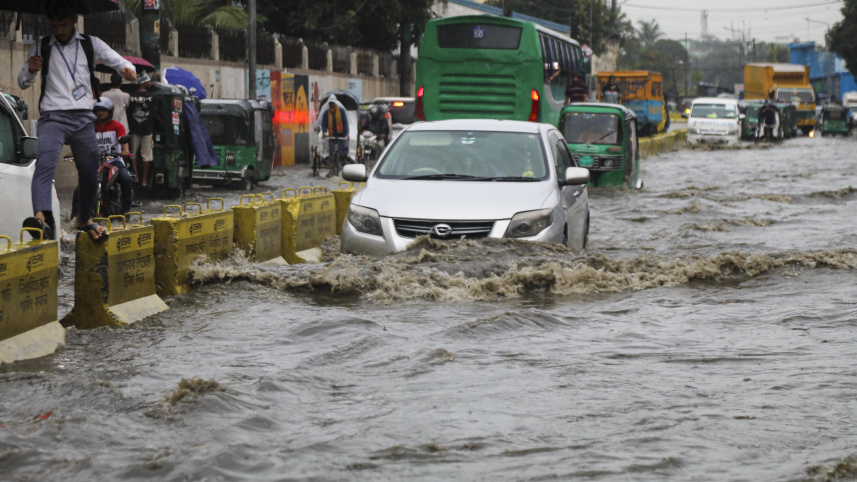
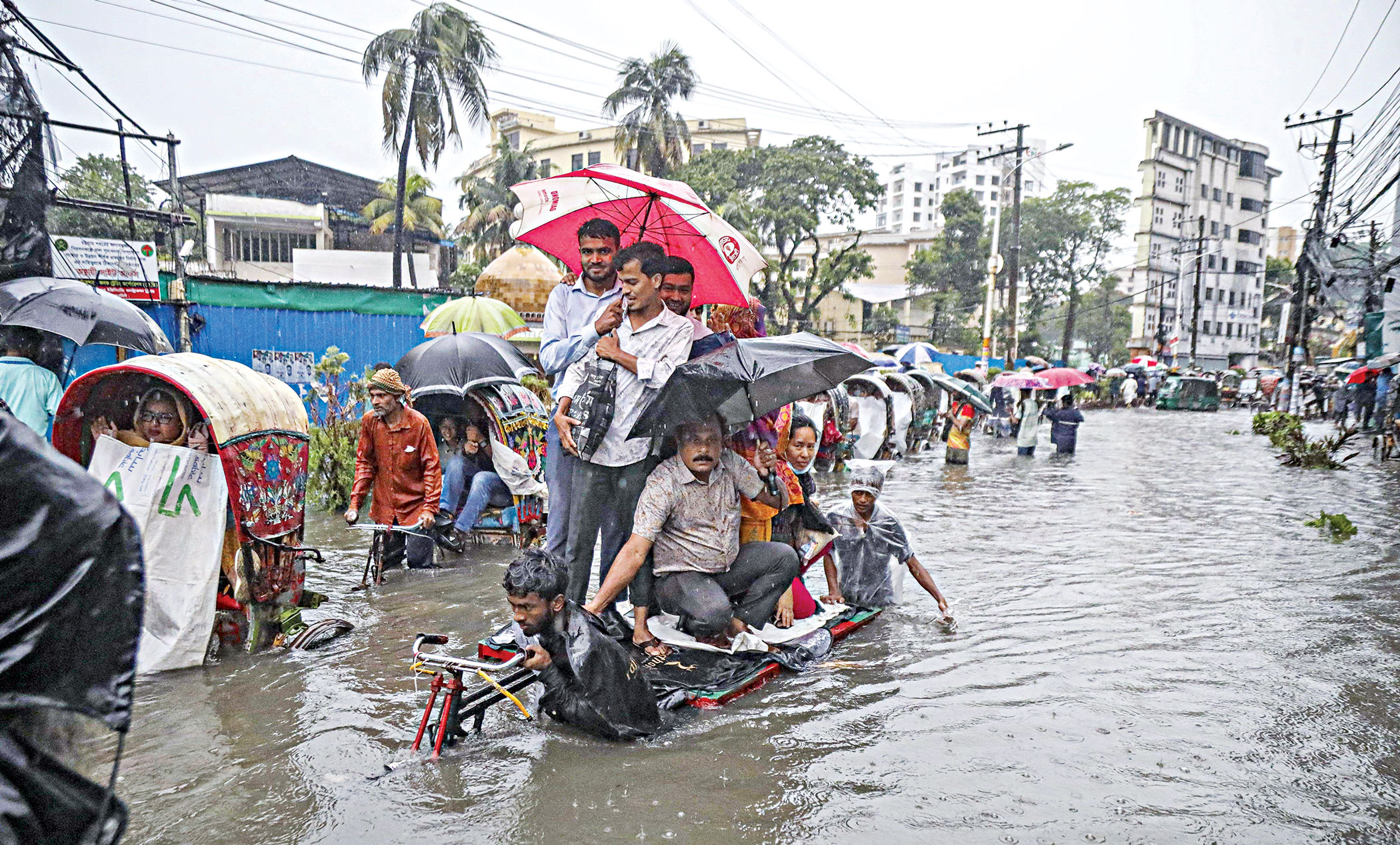
Rain began on Monday. By Tuesday, Chattogram had become half city, half aquarium. Roads disappeared. Shops were flooded. Vehicles could not run. Rickshaws looked like small boats. People walked (read waded) through chest-deep water, carrying bags, shoes, children and whatever patience they still had left.
Then, on Wednesday evening, when the rain had slowed and the water had started to recede, LGRD State Minister Mir Shahe Alam arrived and discovered a beautiful city. So much so, that he said Chattogram was not floating on water. The city was fine. It looked almost like it does in the dry season.
 For all latest news, follow The Daily Star's Google News channel.
 Perhaps next time the residents of Chattogram should save some of that water for the honourable state minister’s inspection. Or maybe they should pray for the water to stay a little longer, just till the ministerial motorcade arrives.
This is a problem with official visits that come after the crisis is almost over. The visitor sees a road. The people remember a river. The visitor sees moving traffic. The shopkeeper remembers how he scrambled to save his wares from the rushing water. The visitor sees the city standing. The citizen remembers it drowning.
A minister does not visit an affected area merely to report what his eyes catch at one comfortable moment. His job is to ask what happened.
How long were people trapped? How much did traders lose? Why did the water collect? Which canal was blocked? Which agency was sleeping? Who will answer?
Were the videos false? Were the live broadcasts staged? Was the chest-deep water a public drama? Did rickshaws decide to sink for attention? Did shopkeepers flood their own businesses to embarrass the government?
Of course not.
A government can survive rain. It can even survive flooding if it responds honestly. What it cannot easily survive is a public representative, a state minister at that, who looks at public suffering and calls it normal.
The people of Chattogram know what happened because they lived through it. They walked through water. They lost goods. They closed shops. They pushed vehicles. They watched drains fail.
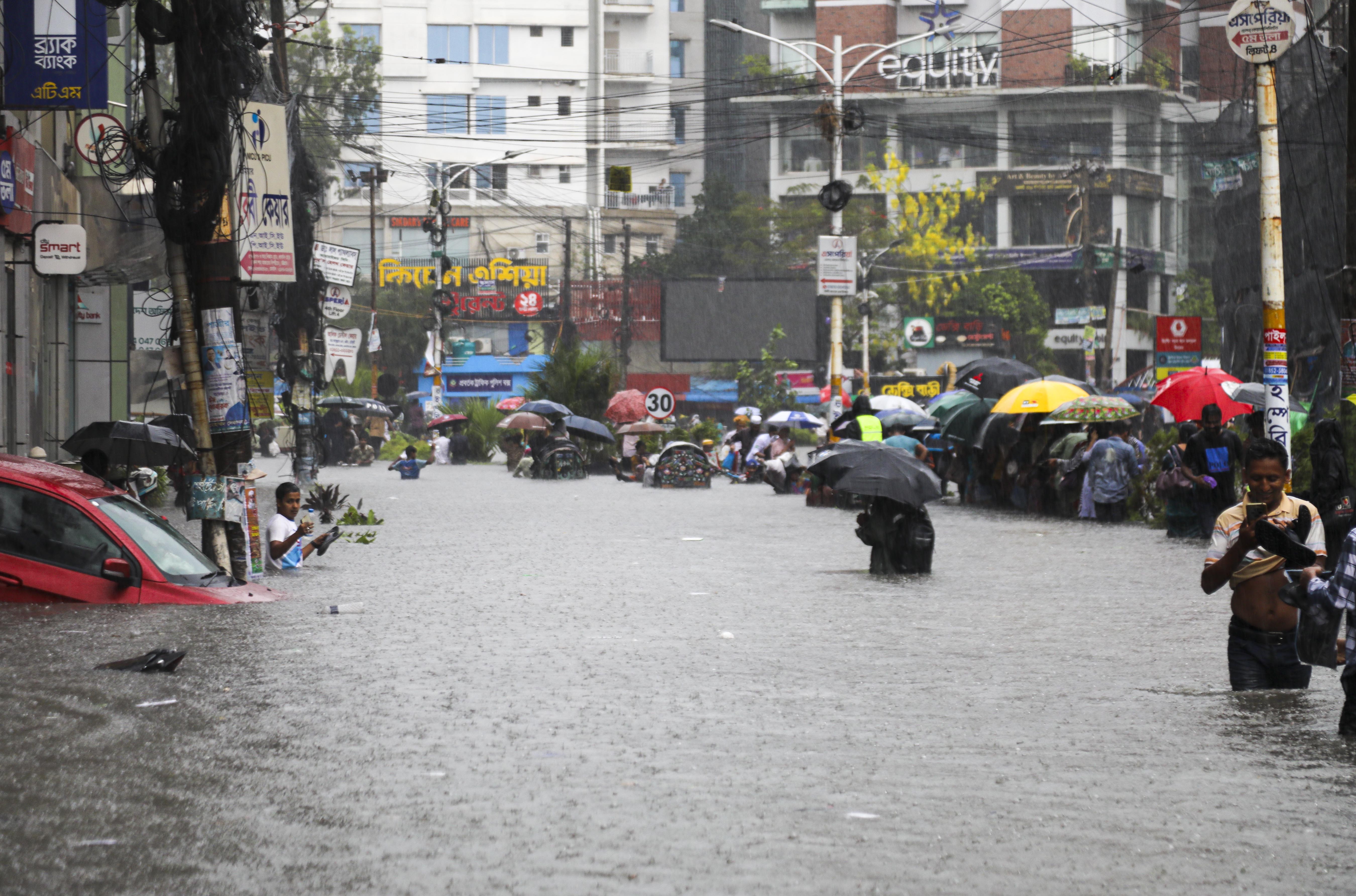
They did not need a minister to certify their misery.
Today in the parliament, the minister said barriers from several canals will be removed soon. That raises the obvious question: why were they not removed before or during the heavy rainfall, when people were suffering?
Before the minister arrived, the prime minister himself regretted the situation and apologised to the people of the port city. A BNP lawmaker said people in Chattogram were floating on water and that water had reached up to the neck in parts of the city.
Then the minister came and said the city was fine.
Such statements do not protect the government. A minister’s job is not to defend the government by denying what people have already seen. That is not crisis management.
Chattogram’s waterlogging is not a new story. It is the result of years of poor planning, weak drainage, careless project work and poor coordination among agencies.
Canal restoration work is ongoing. Temporary barriers have been placed in canals for construction. Those barriers have blocked water flow. When water cannot move through canals, it moves through roads.
This is not science beyond human understanding. Even a school student could explain it.
The minister should have asked why temporary barriers were not removed before heavy rain. He should have demanded a report from the responsible agencies. He should have spoken to affected traders. He should have promised emergency drainage clearance. He should have given people a timeline.
Instead, he said the city was fine.
If this is how official inspections work, perhaps future ministers should be given arrival guidelines. Visit before the water leaves. Speak to people who have suffered. Check the drains, not just the dry road. And most importantly, do not describe a disaster-hit city like a tourist destination.
A better sentence would have been simple: “Chattogram suffered. We are sorry. We will fix what failed.” That would have sounded responsible.
Comments