


Nepal’s climate compensation push and the question of who pays

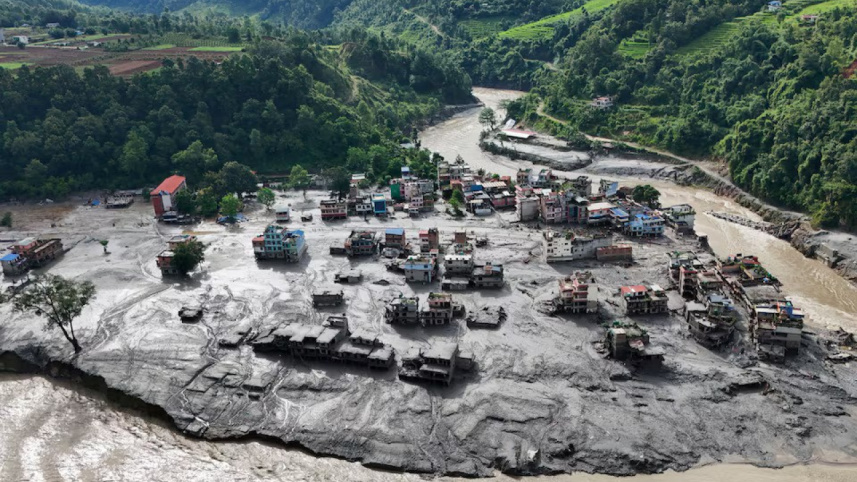
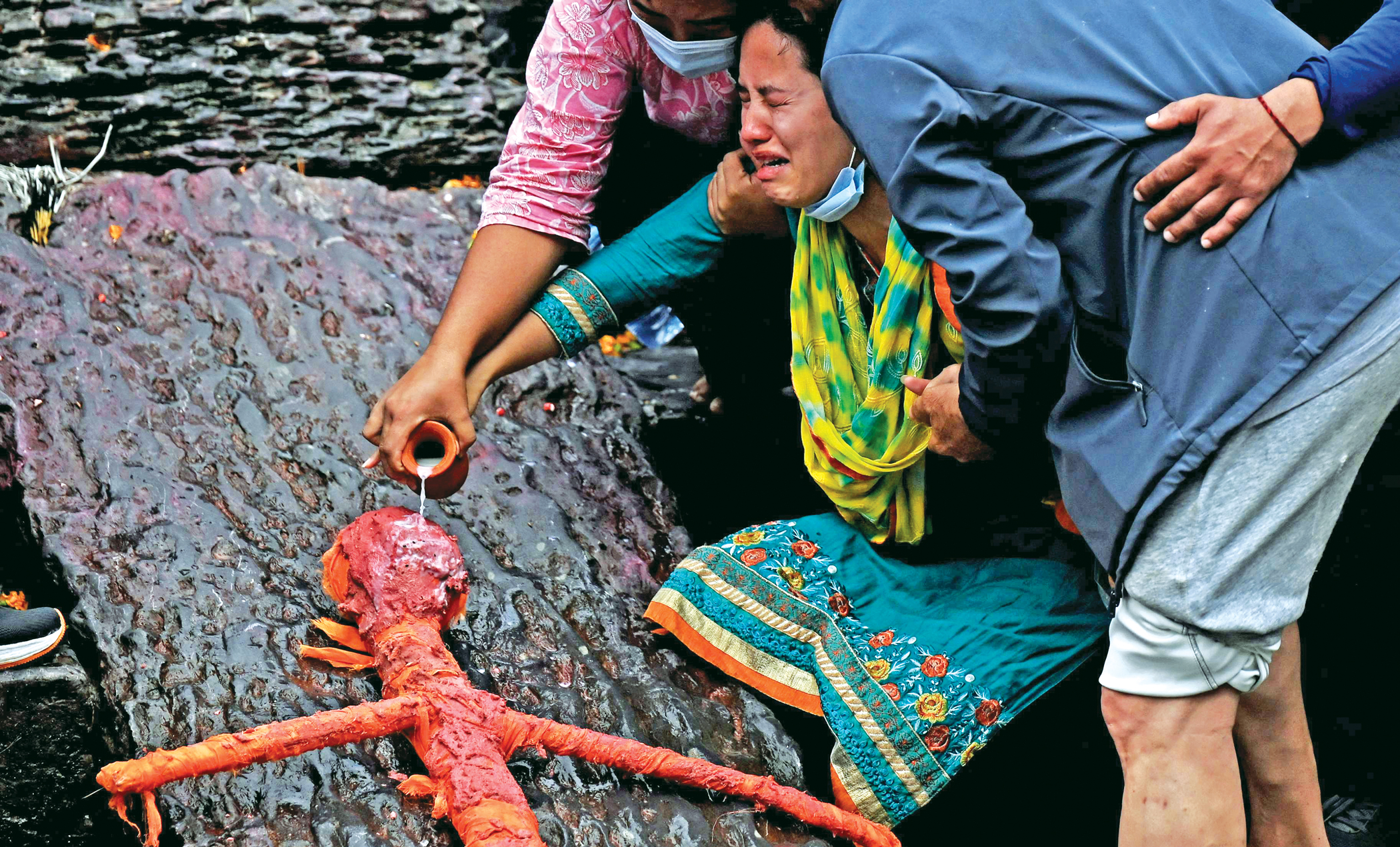
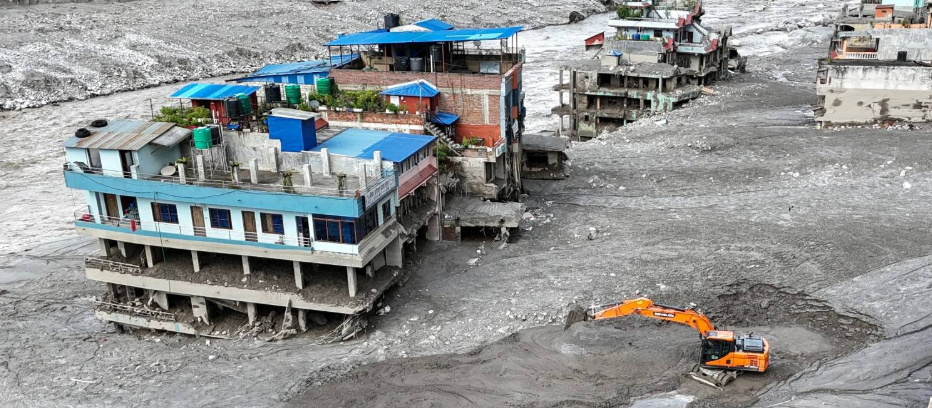
On August 26, 2026, a devastating flash flood swept through northern Nepal after an ice-and-rock collapse in the Himalayas unleashed a torrent of water, mud and debris downstream, destroying villages, infrastructure and hydropower facilities near the Nepal-China border. The death toll has surpassed 1,000, while thousands remain missing, leaving Nepal to confront a massive humanitarian and reconstruction challenge.
The disaster has also revived a broader question: who should pay for catastrophes that are being intensified by a warming planet?

Nepal’s demand for climate compensation deserves to be taken seriously. The country’s Foreign Minister Shisir Khanal has framed the issue as one of justice rather than charity, arguing that China, the United States and India have a “historical responsibility” to compensate vulnerable nations like Nepal.
At its core, this is a climate-justice argument: countries that have contributed more to the problem should bear a greater share of the cost of dealing with its consequences.
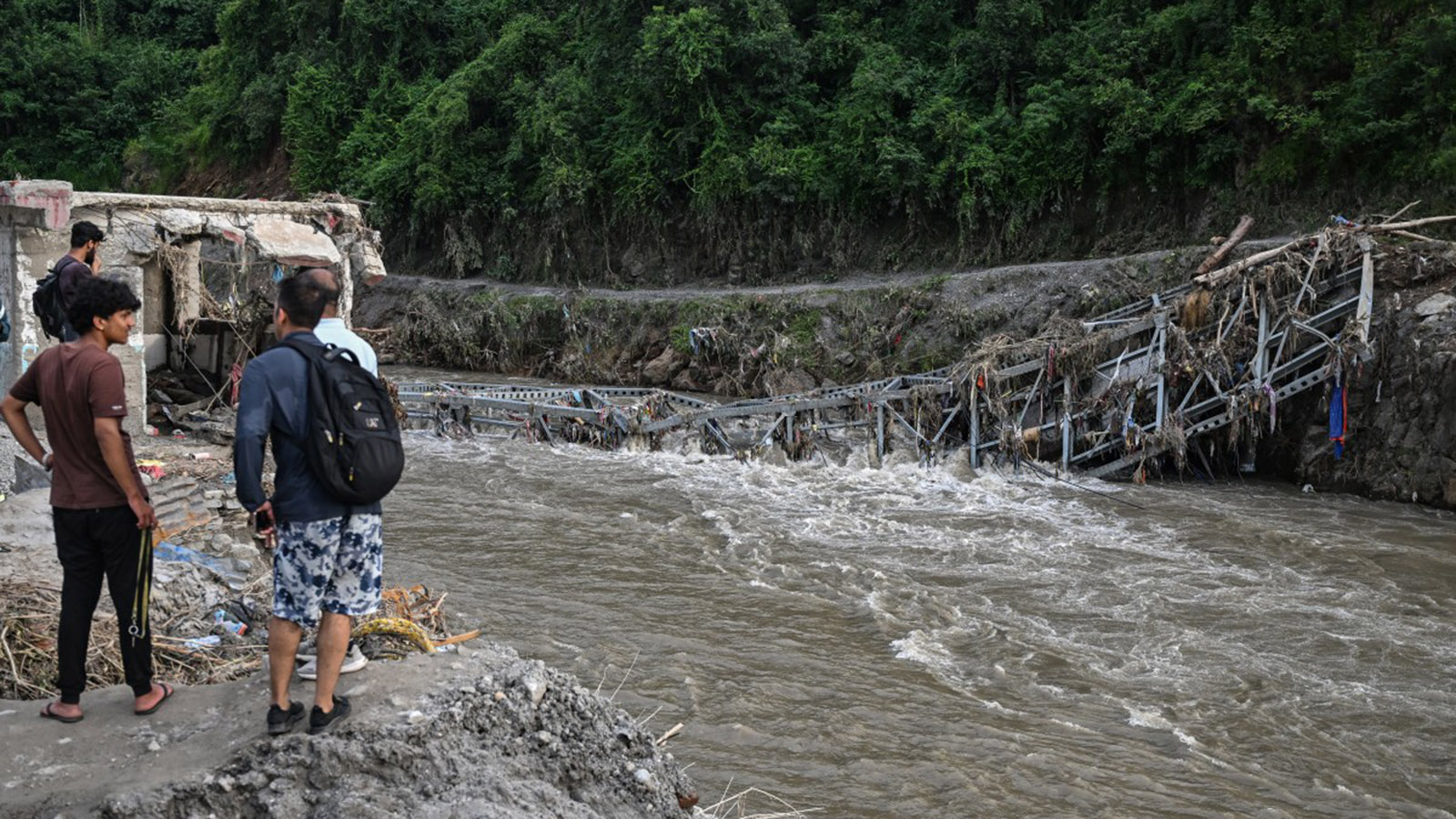
The concern itself is plausible. Nepal is among the countries most vulnerable to climate-related disasters, while contributing very little to the global greenhouse gas burden.
The numbers strengthen Nepal’s case. The European Commission’s Emissions Database for Global Atmospheric Research 2025 report identified China, the US, India, the EU27, Russia and Indonesia as the world’s largest greenhouse gas emitters in 2024.
Collectively, they accounted for 61.8 percent of global greenhouse gas emissions while representing 51.4 percent of the world’s population.
There is also a striking historical dimension. According to the report, China’s emissions have risen more than fourfold, and India’s nearly tripled over the period examined, while the EU’s emissions have declined.
India, however, has consistently argued that climate obligations must account for historical emissions, development needs and national capacity. New Delhi has also maintained that Western countries industrialised first and consumed much of the available carbon budget.
That makes Nepal’s demand complicated, particularly when it comes to turning the principle of climate justice into a legally enforceable claim.
This, however, does not make the demand meaningless.
The climate debate has increasingly moved beyond the question of who emits what today and more towards historical responsibility, loss and damage, and whether wealthy and high-emitting states have obligations towards countries facing disproportionate consequences.
The International Court of Justice (ICJ) has already considered climate obligations through an advisory proceeding requested by the UN General Assembly, showing that the legal architecture around climate responsibility is growing.
For now, Nepal’s move is better understood as a political and diplomatic push for climate justice, backed by a legitimate grievance, rather than a compensation claim with an obvious legal route.
Perhaps that is precisely where the debate needs to go.
Nepal may not be able to compel China, the US and India to pay simply by demanding compensation. But by putting a price on its climate vulnerability, Kathmandu is sharpening a fundamental question in global climate politics: who should bear the cost when the consequences of a global crisis fall hardest on countries that contributed the least to it?
 For all latest news, follow The Daily Star's Google News channel.
Comments