


Before we called her a victim, she was a child

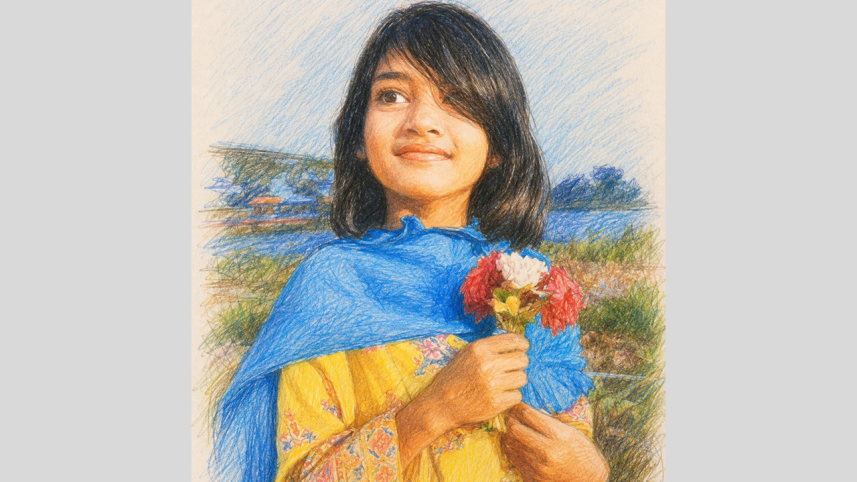
I keep going back to her photo.
Not because it tells me how she died, but because it shows me what was taken from her.

A little girl is holding flowers. Her face is turned slightly away, as if someone has just called her name. Perhaps she was about to smile. Perhaps someone behind the camera asked her to look this way, and she did not.
That is how children are. Half in the frame, half already elsewhere.
This was not supposed to be a photo for strangers. It was meant to stay on the phone of a family member, among the photos parents keep and look at later. A child on an ordinary day. A child before anyone called her “victim”.
Now we look at it after knowing too much.
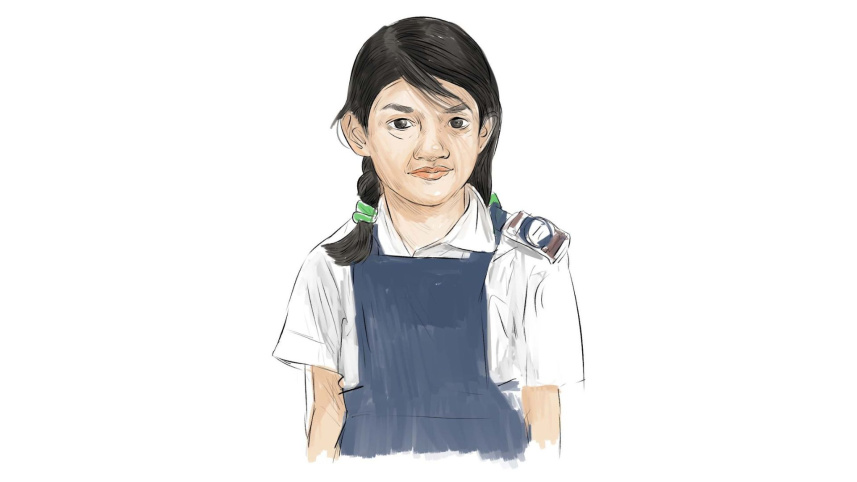
Ramisa was supposed to go to school around 10:30am, police said. That sentence sits heavily inside me.
School time. A mother calling. A child getting ready. A sister waiting. Shoes near the door. A morning that should have ended with classwork, tiffin, and the tired return of a child who had spent the day learning.
Instead, one shoe was found near a neighbouring flat.
One shoe.
Children leave their shoes everywhere. Parents pick them up. They scold. They laugh. They call the child careless. But here, a child’s shoe became the first sign that something was wrong.
I keep thinking of her mother, Parvin Akhter, standing outside that closed door. At first, perhaps she was confused. Then worried. Then afraid in the way mothers become afraid before anyone else understands why.
She knocked.
Behind that door was the end of her child’s morning.
We write crime reports with carefully chosen words. We say “incident”. We say “suspect”. We say “body”. We say, “forensic tests”. We say the truth will be known after investigation.
All of that is necessary. But none of it can capture the sound of a mother frantically knocking.
Police earlier said investigators suspected Ramisa may have been sexually assaulted before she was killed. Later, police said the prime accused, Sohel Rana, admitted during questioning that he had raped the child. This remains a police statement, and the court must establish the truth through evidence, forensic findings and trial.
But even before the trial begins, something has already broken.
 For all latest news, follow The Daily Star's Google News channel.
 What kind of society allows a child to disappear right next to her own home? What kind of building has doors so close to each other, and yet leaves a child so alone?
And then there is the door.
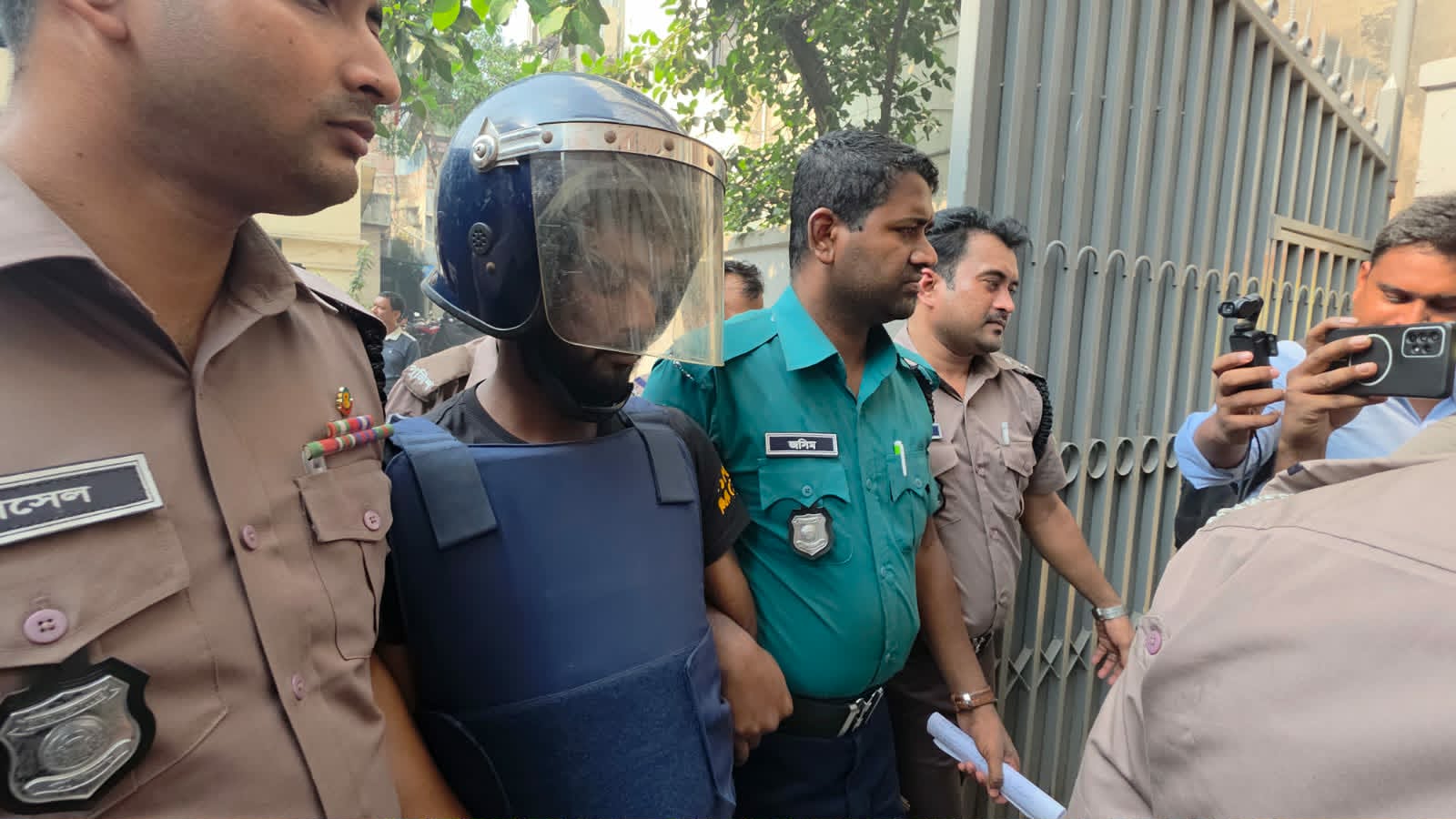
Police suspect the wife of the prime accused acted as an accomplice by keeping it shut until her husband fled through a window after cutting its grille. She has reportedly claimed she had taken sleeping pills and knew nothing. That, too, must be tested through investigation.
But the allegation is chilling.
A mother was outside, knocking for her child. Inside, according to police, another adult waited long enough for a man to escape after murdering a child.
How does a human being live with that?
We often think danger comes from far away. But sometimes it waits in the flat next door, behind a door we pass without fear.
After a few days, this country may move on. That is what often happens. A new story will come. A new outrage will take over. The headlines will shift. The family will remain with the photo.
That must not be her fate.
The investigation must be exact. The evidence must be protected. The forensic report must come quickly. The trial must not drown in delay. Her family must not be left alone after the cameras leave.
But even justice is too late for a child who should have reached school.
I look again at the photograph. A child holding flowers.
A daughter. A little sister. A schoolgirl.
A child who should have reached school.
A child who should have come home.
And for the child who did not, justice must show no mercy.
Arafat Rahaman is a journalist at The Daily Star. He can be reached at arafat.mcj@yahoo.com.
Comments