


CES 2026: 'physical AI' takes centre stage
The recently wrapped CES 2026 in Las Vegas made one thing clear: artificial intelligence has moved beyond screens and into the physical world. Over three years since ChatGPT pushed AI into the mainstream, this year’s CES was dominated by what many companies now describe as “physical AI”: intelligent systems built into machines, vehicles, and everyday devices that interact directly with people and their surroundings.
Across the exhibition floor, the emphasis was on integration. Chipmakers, device manufacturers, and automakers showcased products that combine powerful processors, on-device models, cloud services, and advanced sensors to deliver real-world behaviour rather than simply generate information. From humanoid robots and robotaxis to foldable phones and gaming systems, CES 2026 presented a technology industry increasingly focused on embodied intelligence.

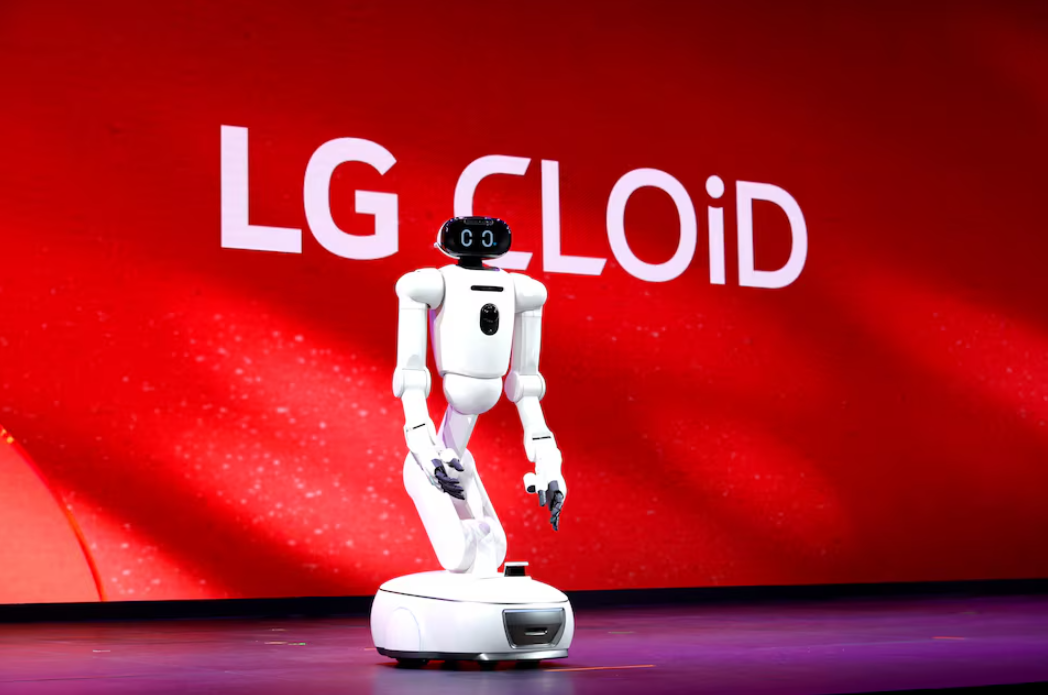
LG CLOiD robot. Photo: Reuters/ Steve Marcus/ File Photo
Robots step into the spotlight
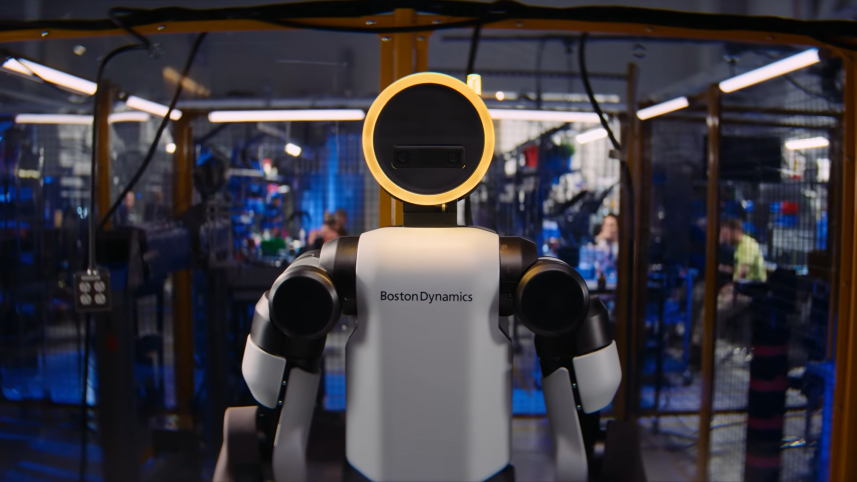
Robotics was one of the most visible categories at the show. Hyundai and Boston Dynamics attracted crowds with the public debut of the production version of the Atlas humanoid robot. Designed for industrial use, Atlas demonstrated improved balance, mobility, and object manipulation, offering a glimpse of how humanoid robots could eventually be deployed in factories and logistics operations.
Consumer robotics also advanced. Roborock introduced the Saros Rover, a robot vacuum capable of climbing stairs using articulated limbs, a practical upgrade that addresses one of the biggest limitations of current household robots. LG expanded its presence in home robotics with demonstrations of its CLOiD assistant platform, showing robots performing tasks such as fetching objects and folding laundry, as part of a broader smart-home strategy.
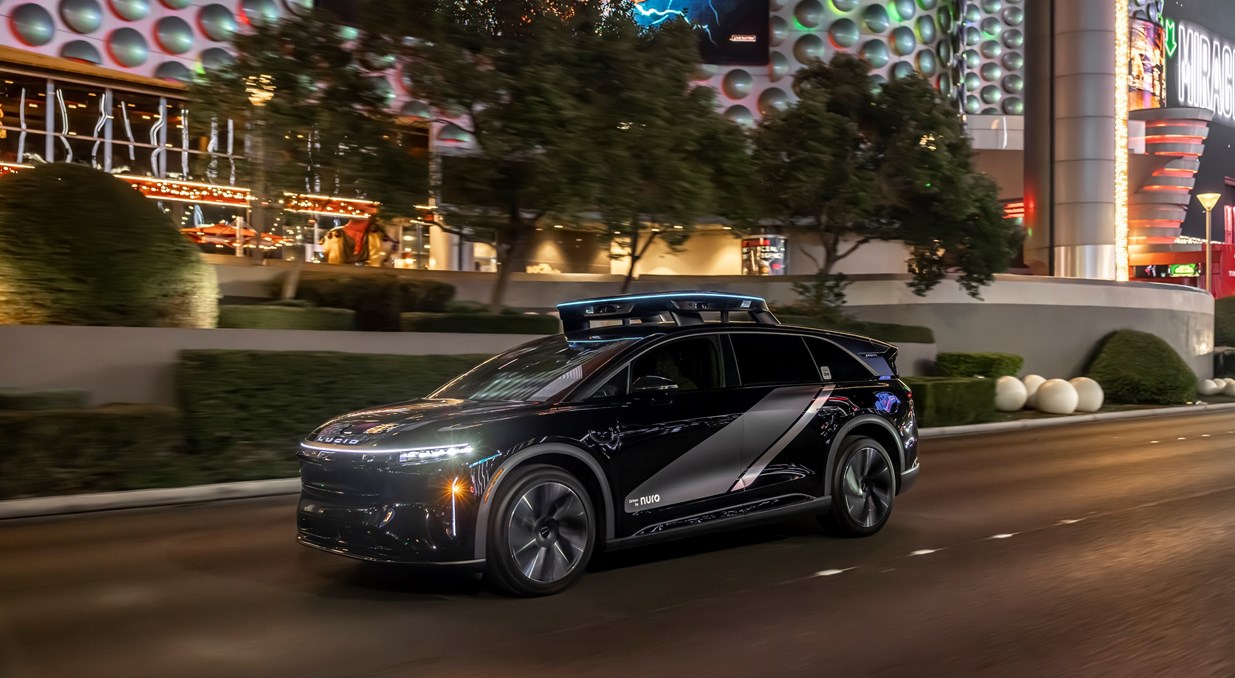
Robotaxi by Lucid, Nuro, and Uber. Photo: Lucid
Autonomy and the future of transport
Transportation technology remained a core focus at CES 2026, with the event continuing its evolution into a major venue for autonomous mobility. Notable announcements came from Lucid, Nuro, and Uber, which unveiled a purpose-built robotaxi designed for a planned global autonomous ride-hailing service.
Mercedes-Benz confirmed that its new CLA will incorporate Nvidia’s DRIVE AV software as part of its MB.DRIVE Assist Pro advanced driver assistance system, enabling supervised autonomous navigation in urban environments. Sony Honda Mobility returned with its Afeela electric vehicle prototype, featuring an in-car AI personal agent. BMW and Ford also outlined new AI assistant strategies, focused on enhancing driver-assistance systems and in-vehicle interaction, while laying the groundwork for higher levels of autonomy.
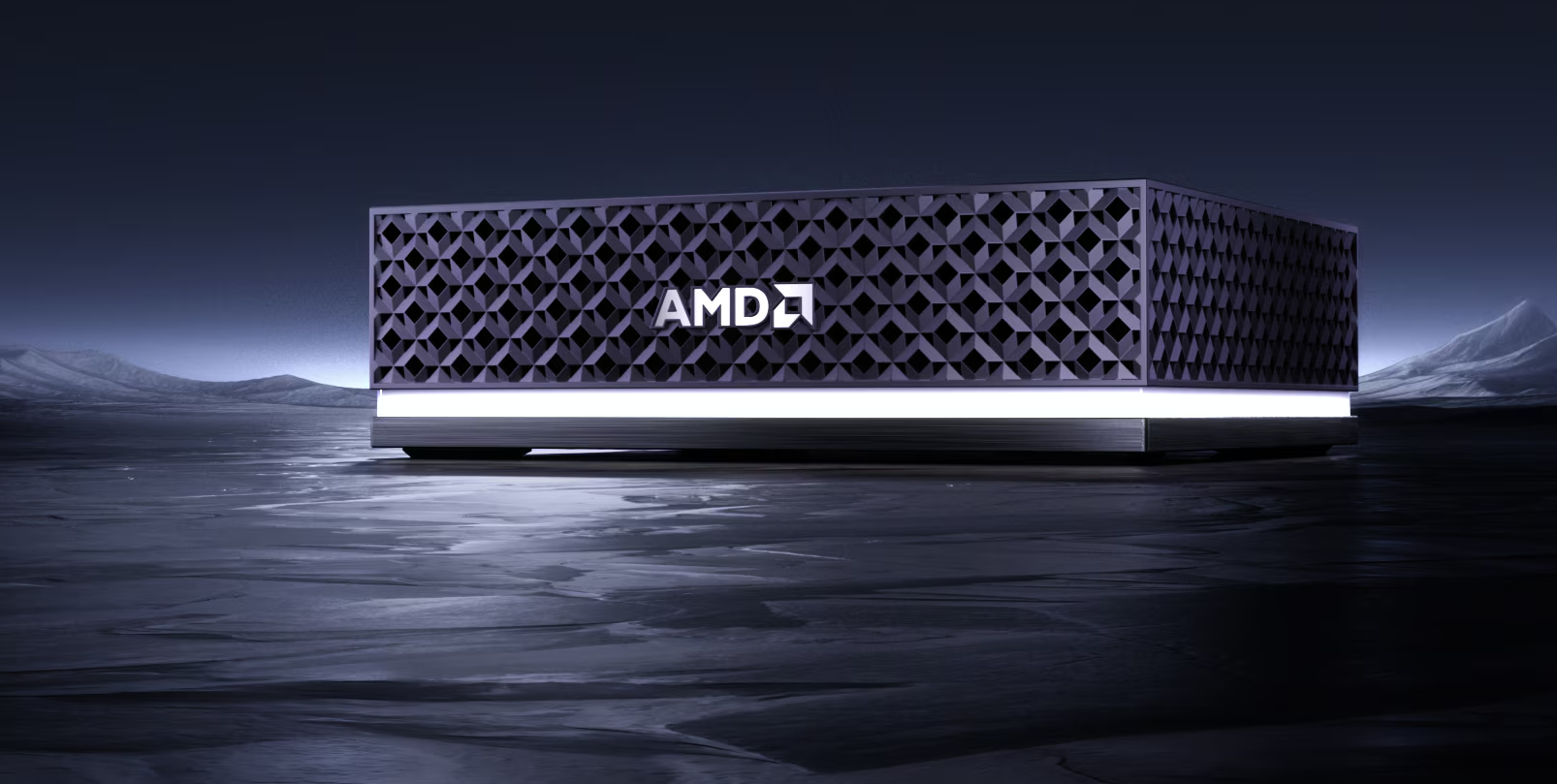
Image: AMD
Chips and computing power take centre stage
Behind these developments was a strong emphasis on computing hardware. Intel introduced its new Panther Lake (Core Ultra Series 3) processors built on the 18A process, designed to accelerate AI workloads in laptops and edge devices. AMD expanded its AI PC portfolio with Ryzen AI 400 Series and Ryzen AI Max+ processors aimed at on-device intelligence for consumer and creative systems. Both companies framed their new silicon around enhanced performance for AI workloads. Meanwhile, Arm announced it has reorganised to create a dedicated physical AI unit focused on robotics and other embodied intelligence applications, according to a report by Reuters.
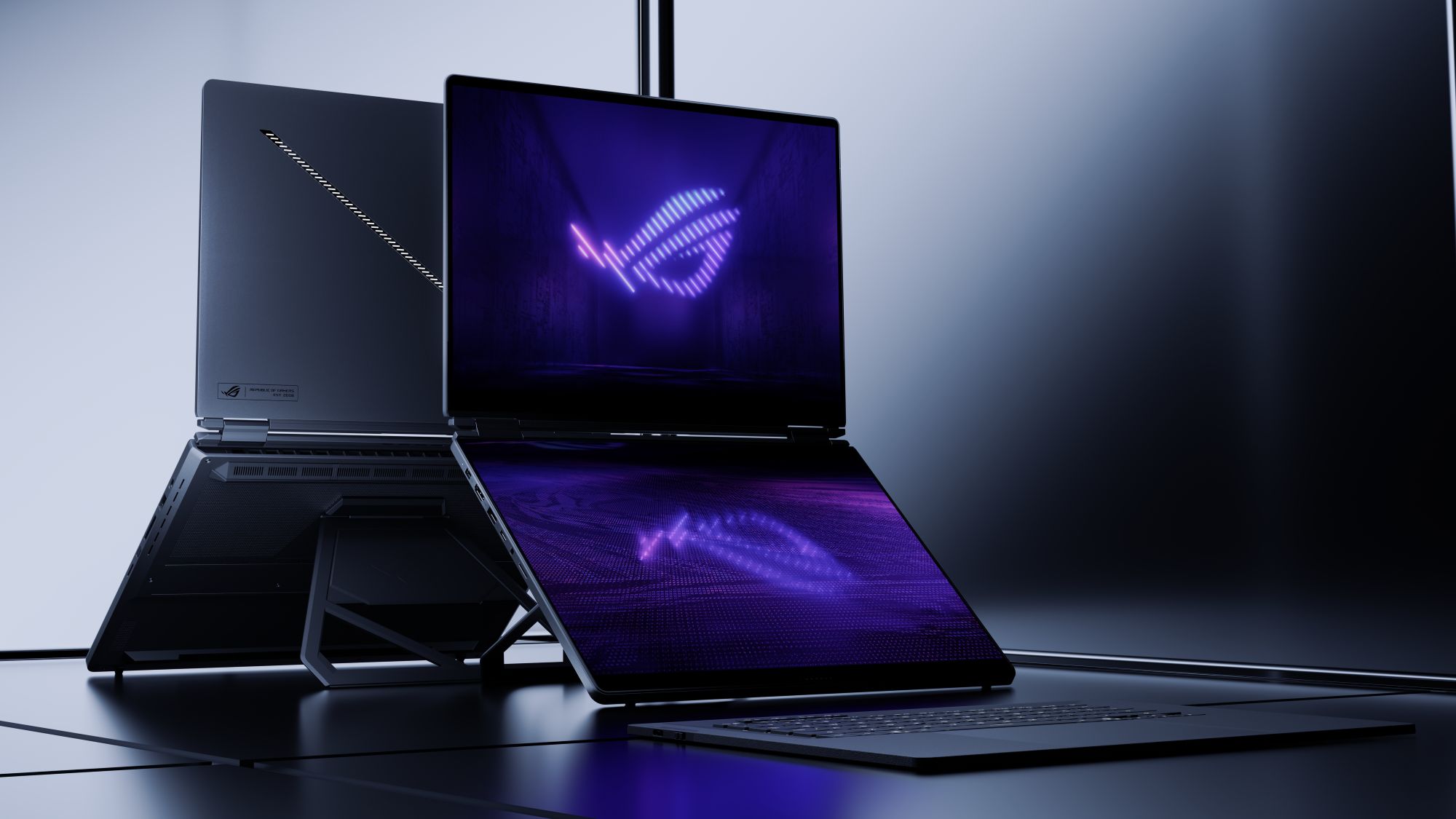
Image: Asus
Gaming and creative technology evolves
CES 2026 also highlighted how gaming hardware is becoming a central platform for AI-driven creativity and productivity. ASUS Republic of Gamers, marking 20 years of the ROG brand, refreshed its Zephyrus G14 and G16 laptops with the latest Intel and AMD processors and Nvidia GeForce RTX graphics.
The Asus ROG Zephyrus Duo featured dual full-size displays for advanced multitasking, as well as the ROG Flow Z13, developed with Kojima Productions. Other new gadgets rounded out ASUS’s showcase, including the ROG Falchion Ace 75 HE keyboard, ROG Keris II Origin-KJP mouse, and Cetra Open Wireless earbuds.
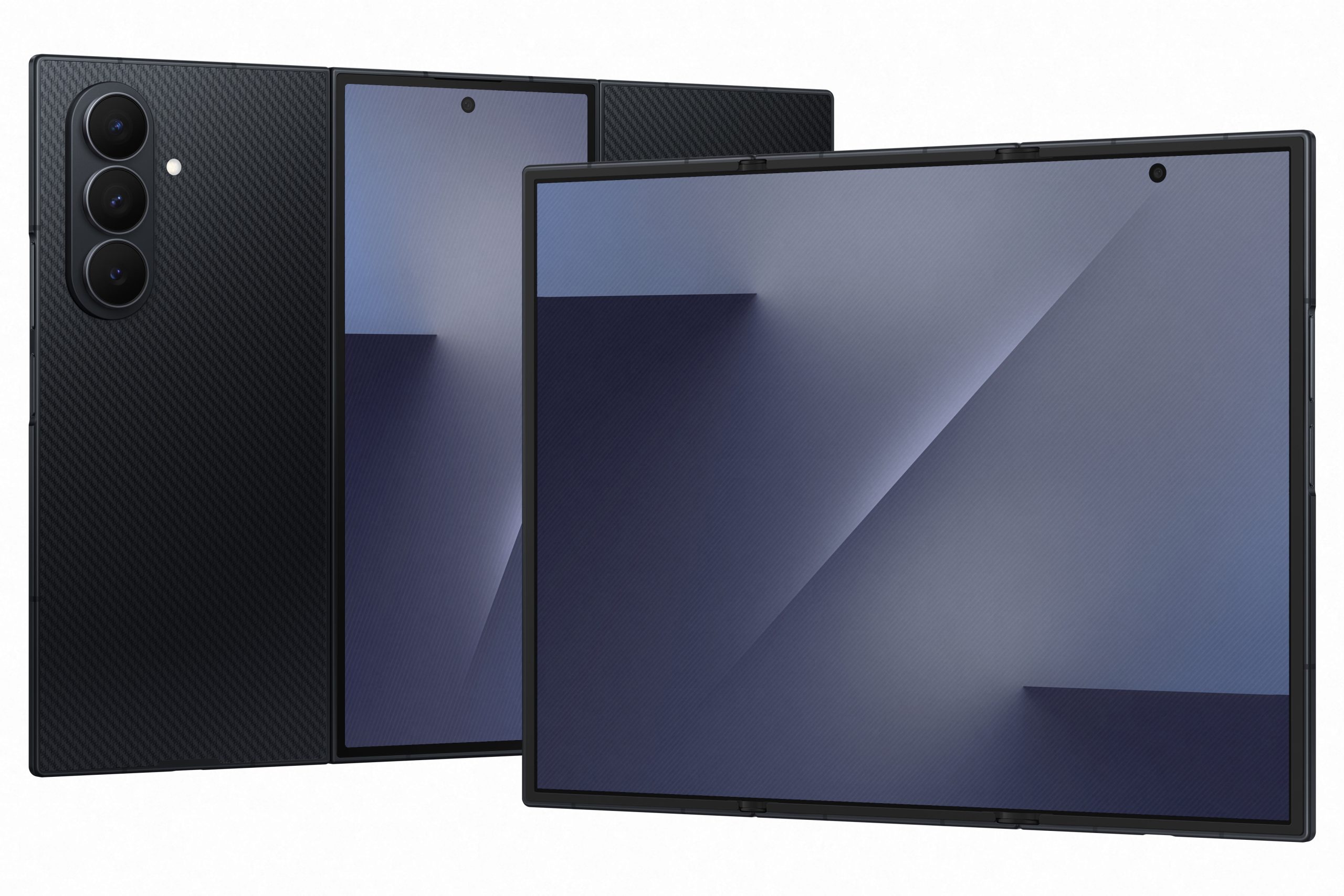
Samsung Galaxy Z Tri Fold. Image: Samsung
New form factors for everyday devices
That same push for new interaction models extended to consumer electronics. Samsung’s Galaxy Z TriFold introduced a three-panel foldable smartphone that expands into a tablet-sized display. Lenovo presented its Legion Pro rollable concept, in which a laptop’s screen physically extends into an ultra-wide workspace. Xgimi’s Titan Noir Max 4K projector, Samsung’s expanding smart-home audio lineup, and Govee’s programmable ceiling lighting systems illustrated how connected devices are increasingly designed to blend into daily life rather than stand apart from it.
A show shaped by physical AI
Rather than being defined by a single breakout product, CES 2026 was characterised by the scale and consistency of its message. AI is no longer confined to apps and screens. It is being built directly into robots, vehicles, homes, gaming systems, and personal devices. The show offered a detailed snapshot of how the technology industry is constructing the next generation of products around physical AI, with robotics, autonomy, advanced hardware, and new form factors all moving forward together.
 For all latest news, follow The Daily Star's Google News channel.
Comments