


PM seeks joint efforts to protect rivers, curb dengue
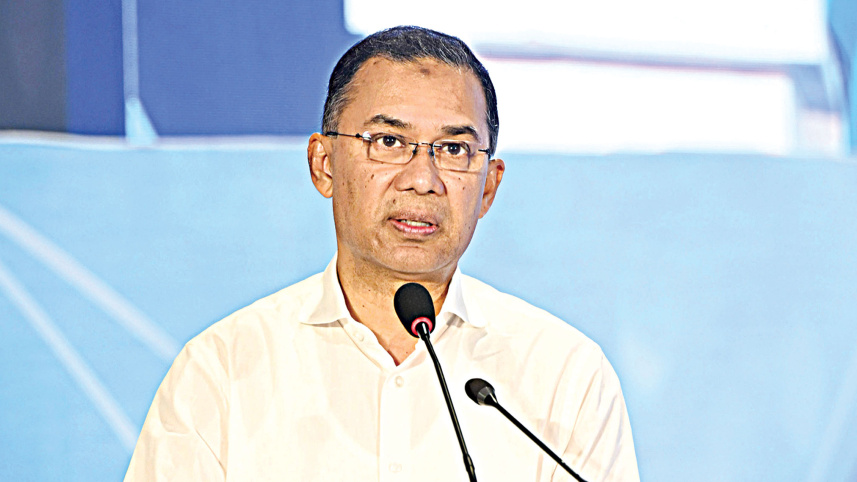
Prime Minister Tarique Rahman yesterday urged people to play a responsible role from their respective positions to ensure pollution-free rivers and a clean, liveable environment for future generations.
The prime minister made the call at a review meeting on pollution control, waste removal, river conservation and management, ensuring navigability and improving the circular waterways around Dhaka at the secretariat, said a release issued by the PM’s press wing.

Tarique stressed that people should not wait only for government directives but also act with a sense of personal responsibility to protect the environment, rivers and waterways.
The meeting reviewed activities related to pollution control and waste removal from the Buriganga, Turag, Dhaleshwari, Balu and Shitalakhya rivers, as well as adjacent canals and drains.
Participants also discussed measures to ensure navigability, maintain the natural flow of water and improve the existing circular waterways around Dhaka.
The prime minister directed the authorities concerned to take effective steps to implement the plans already undertaken and stressed the need for proper coordination among ministries, divisions and agencies to expedite the work.
At another meeting on the dengue situation and measures to combat the disease at the secretariat, Tarique directed authorities to intensify cleanliness drives and public awareness campaigns across the country with people’s participation, said PM’s Deputy Press Secretary Hasan Shiplu.
The premier stressed greater public participation in dengue prevention instead of relying solely on government agencies.
Tarique also directed the authorities to involve Disaster Management volunteers, Bangladesh National Cadet Corps, Rover Scouts and Red Crescent volunteers in cleanliness and awareness activities.
The meeting also discussed strengthening treatment facilities and patient-management capacity for dengue patients at upazila-level hospitals.
Stressing the need to implement the decisions taken at the meeting, Tarique said, “The decisions must be reflected in the field.”
 For all latest news, follow The Daily Star's Google News channel.
Comments