


Saifuzzaman’s UK property financier collapses
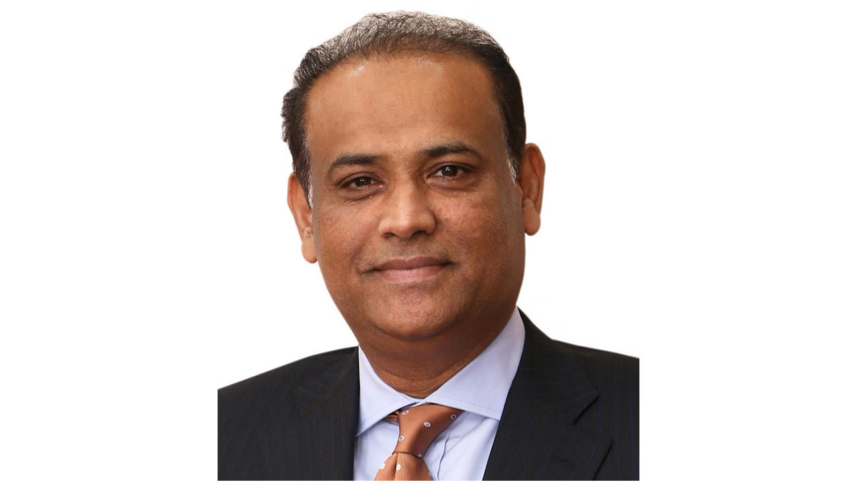
Market Financial Solutions (MFS), which provided financing for a massive £295 million property portfolio belonging to former Bangladeshi land minister Saifuzzaman Chowdhury, fell into administration last Wednesday, according to reports by The Financial Times (FT) and The Telegraph.
The crisis was triggered after lenders, including private credit firm Castlelake, identified irregularities following the back-to-back failures of US companies Tricolor Holdings and First Brands Group. These failures prompted intensified due diligence across the loan books of MFS.

Court applications citing the insolvency mentioned “real and serious concerns about mismanagement”, “serious irregularities” in bank account management and a “significant shortfall” in collateral, the FT said.
MFS was a significant backer of property deals struck by Saifuzzaman. He, along with his family members, built a sprawling global property empire between 1992 and August 2024, when the Sheikh Hasina-led government was ousted following a mass uprising.
In June last year, the UK’s National Crime Agency (NCA) froze 342 properties linked to Chowdhury, valued at approximately £185 million, as part of an ongoing civil investigation.
Legal filings and sources familiar with the matter indicate a shortfall in collateral backing loans to MFS entities of as much as £930 million. More than 25 separate entities tied to the Mayfair-based firm have now entered insolvency, the FT added.
MFS provided what it called “complex, property-backed lending”. The company’s main products included buy-to-let mortgages and bridging loans -- short-term debt that borrowers could use for various kinds of investments in real assets, according to The Telegraph.
After the fall of the Hasina regime, it appeared that nearly all of the MFS-linked mortgages were repaid. At the time, lawyers for Paresh Raja, the founder and chief executive officer of MFS, said that MFS had “a large underwriting team who scrutinises every loan and carries out detailed and thorough anti-money laundering and other checks.”
They emphasised that Raja “has no connection to Bangladesh or the Hasina government”, it added.
MFS differed in important ways from mainstream banks. It was a shadow bank, meaning it offered loans but did not take deposits. As a result, it was not subject to the strict regulations that high street lenders must adhere to, according to The Telegraph.
The FT said major global lenders, including Barclays, Jefferies and Apollo’s Atlas SP Partners, are facing significant exposure following the sudden collapse of UK-based mortgage provider MFS amid allegations of fraud and “double-pledging” of collateral.
Barclays, which provided both banking services and financing to MFS, has an estimated exposure of £600 million. The bank reportedly began blocking certain transactions for the lender in late 2025 before freezing all related accounts in early January, as per the FT report.
Barclays declined to comment on the matter.
The Telegraph said the fallout from property deals linked to Hasina’s government continues. Authorities in Bangladesh are also looking into Chowdhury’s affairs amid a broader investigation into flats and houses bought by former allies and family members of the prime minister.
In Britain, Labour MP Tulip Siddiq, Hasina’s niece, resigned as Treasury minister in January last year amid growing pressure over allegations of an anti-corruption scandal in Bangladesh.
Siddiq faces a corruption trial in Bangladesh over claims that she illegally received a plot of land from her aunt’s government. She denies the allegations.
Raja did not respond to a request for comment. The Telegraph was unable to reach Chowdhury for comment.
 For all latest news, follow The Daily Star's Google News channel.
Comments