


Main parties and candidates in the election fray
BHARATIYA JANATA PARTY (BJP)
The BJP, the world's largest political outfit with nearly 180 million members, was born out of the Jan Sangh party, an offshoot of a men-only Hindu nationalist organisation, the Rashtriya Swayamsevak Sangh (RSS). After struggling on the political margins early after it was formed in 1980, the BJP delivered its first prime minister 16 years later in an unstable government that lasted 13 days.

The party formed a government with a majority of its own for the first time in 2014 under Modi. It's been formidably in power since.
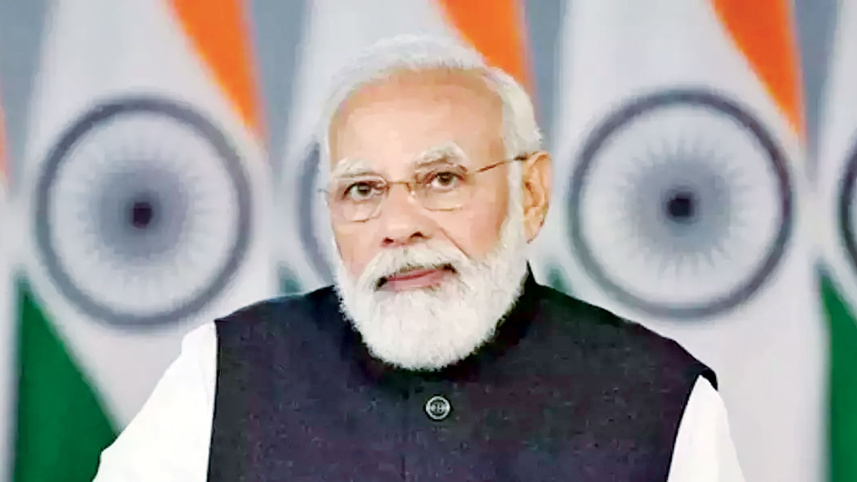
Narendra Modi: Modi, 73, was born and raised in a small town in the western state of Gujarat. He joined the BJP's ideological parent, the RSS, in his 20s and the Jan Sangh nearly a decade and a half later.
He's risen through the ranks over years and was Gujarat's chief minister for more than three terms before leading the BJP into a decisive victory in the 2014 general election. A decade in power, Modi remains enduringly popular as he seeks a record-equalling third straight term.
Modi is seeking to be re-elected from Varanasi, a city of religious significance to Hindus in the populous northern state of Uttar Pradesh.
INDIAN NATIONAL CONGRESS
The Congress is India's oldest political party and governed India for more than two-thirds of the years since independence in 1947 but has struggled after Modi swept to power.
Congress gave the its first and only woman prime minister, Indira Gandhi, and introduced comprehensive economic reforms in 1991 making way for the evolution of an open market economy.
But it crashed out of power in 2014 against the Modi onslaught and a series of corruption allegations.
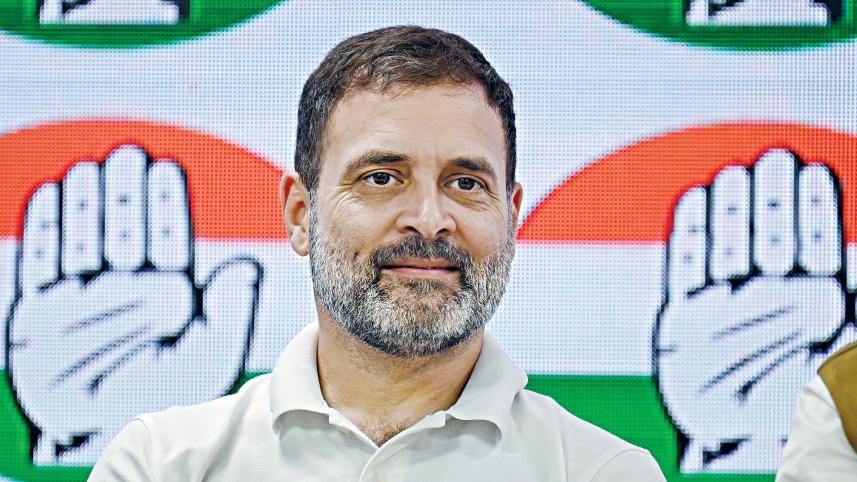
Modi's fiercest opponent and Congress's star campaigner, Rahul Gandhi has never been a minister in a federal or state government, has not led his party to a general election victory, and quit as party chief after a miserable performance at the last parliamentary polls in 2019.
Yet he remains at the centre of India's opposition politics and Modi's main target.
AAM AADMI PARTY (AAP)
The Aam Aadmi or Common Person's Party emerged from a strong anti-corruption movement in 2011 that swelled amid protests led by Anna Hazare - a self-styled crusader backed by close aide Arvind Kejriwal.
Kejriwal formed the AAP in 2012 and formed a local government in the national capital Delhi in 2015, staging an unexpected political upset for established parties like the BJP and Congress.
However, AAP's prospects are clouded by pre-election arrests of most of its high-profile leaders, including Kejriwal, in an alleged graft case.
ALL INDIA TRINAMOOL CONGRESS (TMC)
India's fourth-largest party by seats in parliament, the Trinamool Congress holds power in West Bengal in the east, another state the BJP has struggled to crack. The party came into being nearly 25 years ago after it splintered from the Congress.
Founder of the party Mamata Banerjee has been the state head for nearly 13 years and is now a reluctant Congress ally in fighting the BJP in the 2024 polls. Her party has joined the 26-member opposition bloc but failed to clinch an agreement over who will fight from which seat in the state.
 For all latest news, follow The Daily Star's Google News channel.
Comments