


Save your plants from heat damage with these smart tips
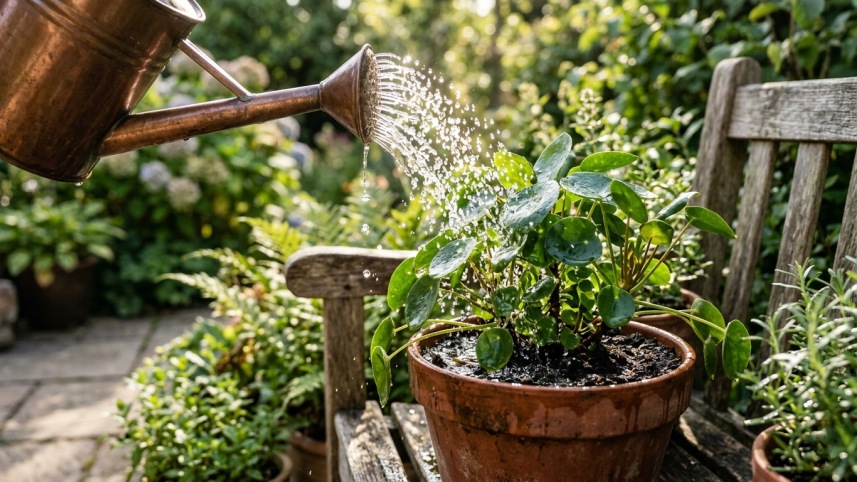
Just like humans, plants not only feel the heat, but can also get dehydrated and eventually stop growing. With rising temperatures, unpredictable rainfall, and urban microclimates, keeping plants healthy takes consistent care and the right strategies.
This may come as a surprise to many, but any increase in temperature above 30 degrees Celsius can stunt plant growth. This is because the rate at which plants use the sun’s energy to create carbs as a food source reduces when temperatures rise. In addition to this, the rate of respiration, or the rate at which the plants use up this food to grow, continues steadily even at these high temperatures. This means that food reserves are used faster in higher temperatures. Plants also suffer when they end up releasing more water vapour into the atmosphere than they are able to take in through their roots. In cases of prolonged periods of extreme heat, plants can die from food and water depletion.

Can changing watering techniques help?
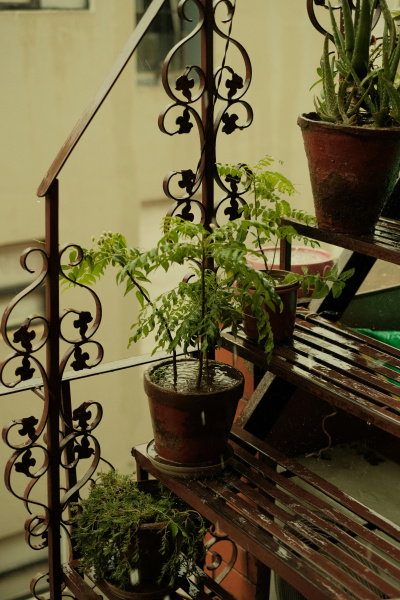
Yes! One should check soil moisture daily. If the soil feels dry up to finger length, it is time to give your plants a drink. However, watering plants at certain times is better than at others. Early mornings and late afternoons are generally cooler and may help plants retain the water that would otherwise evaporate in the harsh glare of the noon sun.
Avoiding sprinklers and choosing to spot-water plants is a good way to ensure that enough hydration is reaching your green friend. Soaker hoses and drip irrigation techniques also help to water plants effectively.
If your green buddies are in hanging containers, they may dry out faster and require more water, often up to two times a day. Similarly, if your plants are less than a year old and have not developed extensive root systems, it may be wise to water them more frequently during heat waves.
Are there additional substances we can add to soil to help with water retention?
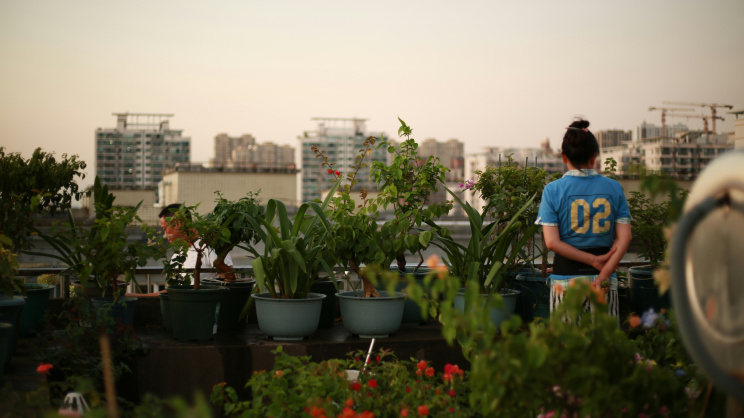
Absolutely! Organic mulch, such as woodchips or compost, can help hold in water and reduce evaporation. It shades the soil and keeps the root zone cooler.
Should shades be introduced?
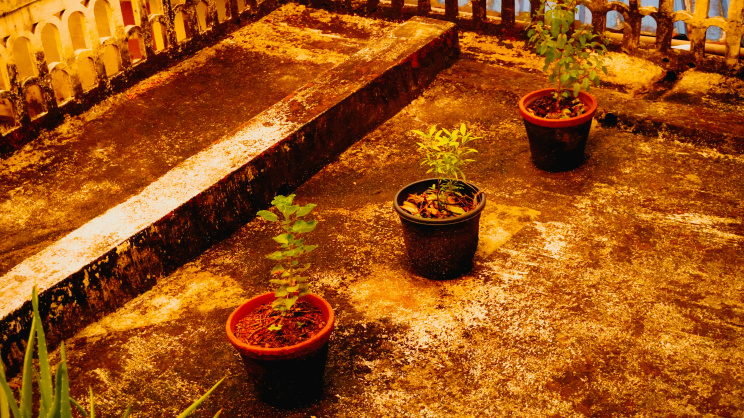
Of course! Bringing plants in containers to a shaded spot, away from direct sunshine, can help keep temperatures lower and reduce evaporation. Covering the plant(s) with 30-50 per cent shade cloth, screens, or even white sheets can help with the amount of light hitting plants directly and causing leaf burn.
What about fertiliser or propagation?
No to both! Fertilising in this heat will only speed up the growth process of a plant, which it cannot sustain without additional strain on itself. Propagation, or transplantation, should also not be prioritised in this weather as these activities are stressful on plants and take up a lot of their energy resources. In fact, removing dead leaves and flowers can often be a safer bet in this heat, so that the roots do not spend much-needed energy on spent flowers/fruits. This increases their chances of blooming again once the heat passes.
 For all latest news, follow The Daily Star's Google News channel.
Comments