


Nasir Al Mamun and a photographer’s fifty-year quest

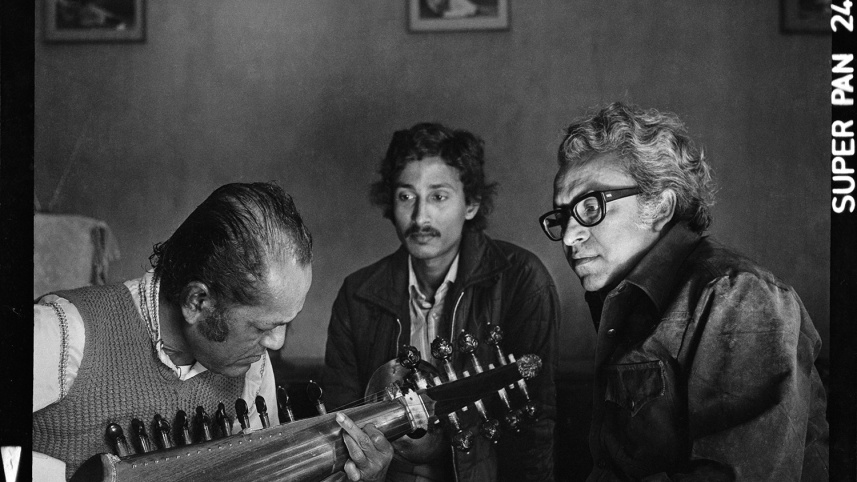
In the early 1960s, a boy of barely nine or ten could often be found hunched over newspapers and magazines, mesmerised by the faces of the famous. His fascination was so intense that he frequently landed in trouble with his father for cutting out these portraits before the elder had even finished reading the morning news.
This childhood obsession was the preamble to a career for Nasir Ali Mamun that would eventually redefine the visual identity of a nation.
 For all latest news, follow The Daily Star's Google News channel.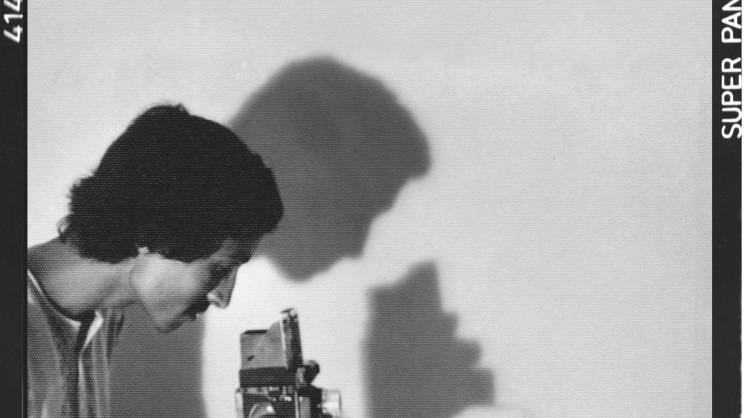
By the time he was a teenager, Mamun began to notice a jarring disconnection between the people he saw in person and the way they appeared in photographs. During that era, the "studio portrait" reigned supreme in Bangladesh, yet the results were often unrecognisable due to heavy-handed techniques. Photographers used sharp tools to scrape away facial marks or applied substances like alta directly onto negatives to mask imperfections. To Mamun, this long-standing practice felt profoundly inauthentic.
In 1971, through a combination of social grace and persistence, Mamun borrowed a camera from Studio Nehar, 24/A Green Road in Dhaka, to begin his journey. It was a humble start to what would become a five-decade-long silent revolution in visual culture. He has spent his life documenting the thinkers, visionaries, and poets who constructed the intellectual backbone of Bangladesh, viewing them not as staged subjects but as living records of time.
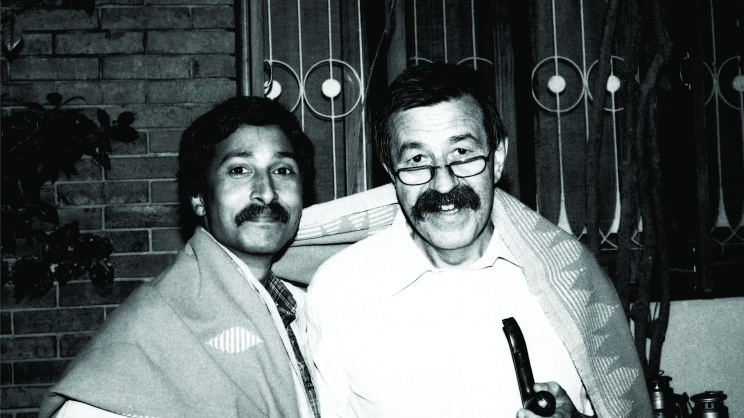
Reflecting on his initial drive to change the medium, Mamun explains, “I wanted to capture people as they truly were. What I tried to do was shift portrait photography in Bangladesh away from this retouched, constructed image toward something more real and honest”.
When he first began, black-and-white film was the only medium available in Bangladesh because colour stock was an expensive luxury. While colour became common by the late 1980s, Mamun realised his creative soul belonged to the grayscale. He observes that while the world around us is saturated with endless shades of colour in nature and the sky, he found that working in black and white offered him a unique form of expression. This dedication to honesty earned him the respect of the very icons he photographed. The poet Shamsur Rahman famously dubbed him the "Poet of the Camera," while Nirmalendu Goon and Al Mahmud dedicated works to him, calling him a master of light and shadow. Mamun notes that “to me, these gestures from such respected figures are no less than national awards”.
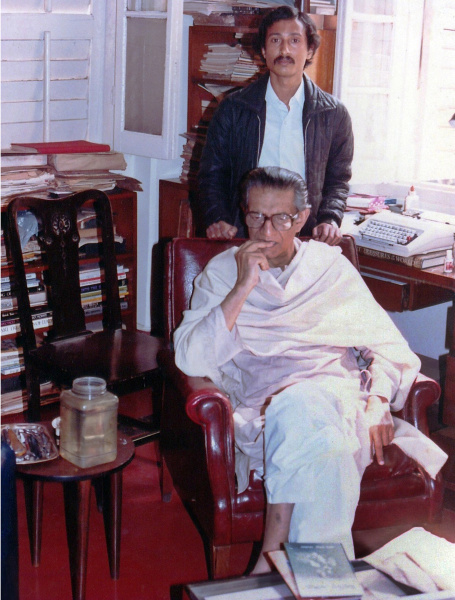
His lens eventually expanded beyond national borders, capturing a vast array of global figures through both his camera and private conversations. Alongside his iconic photography, Mamun documented international personalities through audio and video interviews that remain largely unpublished.
His archives include rare, intimate encounters with world-renowned figures such as the German novelist Günter Grass, the legendary boxer Muhammad Ali, the compassionate Mother Teresa, the brilliant physicist Stephen Hawking and many more, started simply by writing letters to them. These rare moments are only now beginning to surface in exhibitions, offering a glimpse into the global reach of his silent quest.
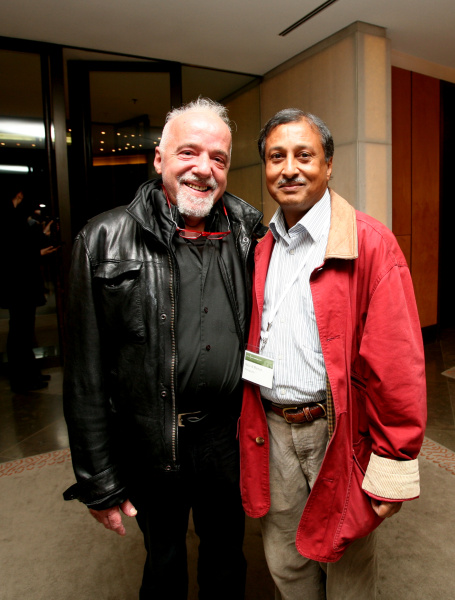
His career has been marked by significant accolades, including the Shilpakala Padak in 2018, the Chobi Mela Lifetime Achievement Award in 2017, and a rare Bangla Academy Honorary Fellowship in 2022. Receiving the prestigious Ekushey Padak last year felt like the culmination of this long journey.
“Receiving the Ekushey Padak last year was, of course, a matter of great pride for me, especially considering the time in which it was awarded,” he reflects, though he adds that “My audience is my greatest strength and inspiration, I cherish the fact my first solo exhibition was at Bangla Academy in 1978 and they have honoured me by organizing my 67th solo exhibition this year at the same historical venue”. To Mamun, after nearly seventy solo exhibitions, the historic journeys and the memories matter the most.
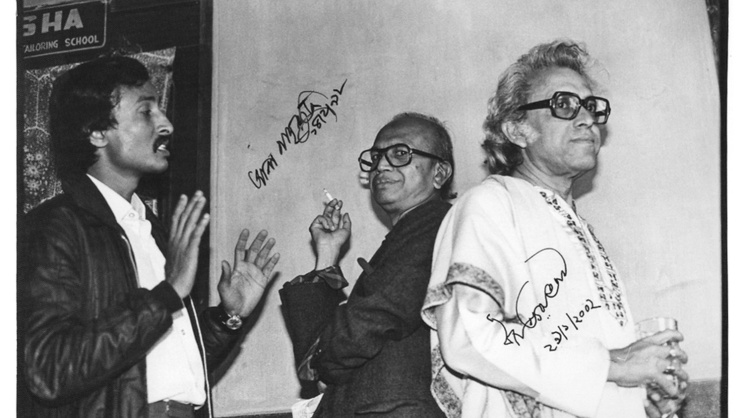
Now in his seventies, his focus has shifted toward preservation. While he is best known for his still images, books, Mamun’s archive is vast, including unpublished audio and video interviews, along with written notes with best wishes, letters, envelopes, etc., with icons all over the world.
His vision for a “Photoseum,” highlighted during his 67th Solo exhibition at Burdwan House, Bangla Academy, points toward a future where work will continue to educate.
He often encourages younger artists to find life in the mundane, suggesting, “Treat every object as if it were alive. A toothbrush, a comb, a book, everything has a presence”.
He believes that if they document everyday moments for many years, their work will inevitably become singular. Mamun concludes that while working with the complexities of human character is the greatest challenge an artist faces, it is ultimately what creates the deepest connection because “people relate to people”.
Photo: Collected
Comments