


How cold can winter get around the world?
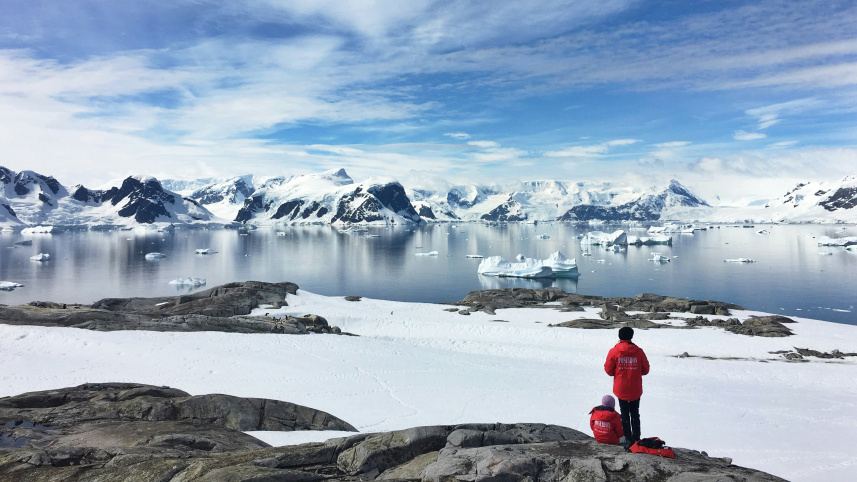
Dhaka winters have a funny way of humbling us. Sweaters and mufflers come out, and we wrap ourselves in scarves. Still, the cold feels sharp enough to complain about. All this happens in a city where winter temperatures rarely even touch single digits. What we call “shivering cold” here would pass as a mild spring day in many parts of the world.
If this mild winter chill already feels unbearable, it naturally raises a question: what about the countries often portrayed as snow-covered in movies and TV shows, or the frozen North and South poles? Just how cold can this planet really get?

Bangladesh has never experienced extreme cold by global standards. Even at its lowest recorded point, winter temperatures in the country stay well above what much of the world would consider severe. The all-time lowest temperature recorded in the country was 2.6°C in Tetulia, Panchagarh, in 2018, breaking a record that had stood for nearly six decades.
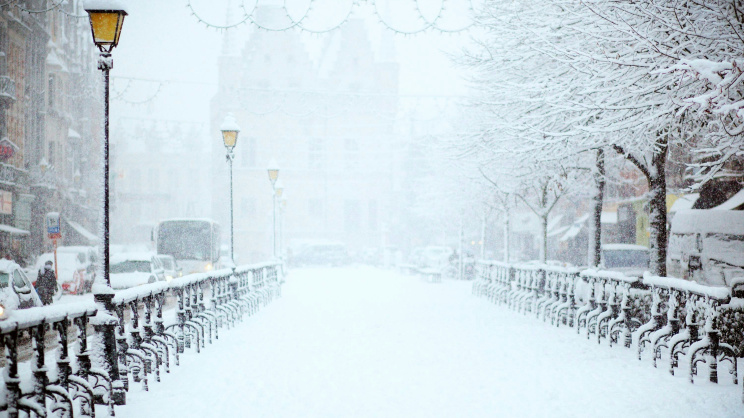
On most winter mornings, the capital stays well above what many countries would consider a pleasant winter day. This difference shows up clearly when we look at countries where cold is not an event but a constant.
While Bangladesh enjoys a tropical, sun-drenched average annual temperature of around 26°C, countries like Canada and Russia sit among the coldest in the world, hovering near –2°C. Due to its massive ice sheets and extreme latitude, Greenland pushes that figure down to about –18.5°C, taking the top spot. Across these nations, winter is not a short season; it’s their default living setting.
Located in eastern Siberia, Russia, Yakutsk is often described as the coldest major city on Earth and is home to nearly 350,000 people. In January, temperatures regularly sit between –36°C and –42°C here, showing what a truly frozen city looks like.
Fish and meat are sold outdoors without refrigerators, as the air of Yakutsk itself acts as one. Many residents here dare not turn off their car engines for weeks at a time during the peak of winter, fearing that the fuel lines will freeze or the battery will die.
Oymyakon, a village about 1,500 kilometres away from Yakutsk, is recognised as the coldest inhabited place on Earth. Its average temperatures commonly sit near −50°C in deep winter. It has recorded temperatures below −60°C many times, making it the coldest place in the Northern hemisphere. Schools only shut down if the temperature drops below −55°C, which says everything about what ‘normal’ means there.
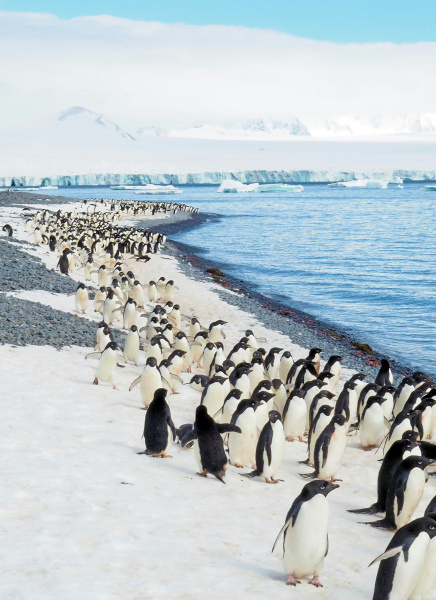
Beyond human settlements, the cold intensifies even further. Deep inside Antarctica, Vostok Station, a Russian research station, experiences average winter temperatures below −60°C, with some months barely seeing sunlight. Here, the lowest natural temperature ever directly recorded on Earth was −89.2°C in 1983.
Our "biting" cold is practically a summer holiday for many corners of the globe. What slows our mornings and sends us for extra layers barely registers on the global map of cold. Knowing just how far temperatures can drop does not stop us from shivering on a January morning here. There’s no shame in shivering a little. After all, it is all about perspective.
 For all latest news, follow The Daily Star's Google News channel.
Comments