


Furry Friends Foundation works to protect street dogs in Dhaka
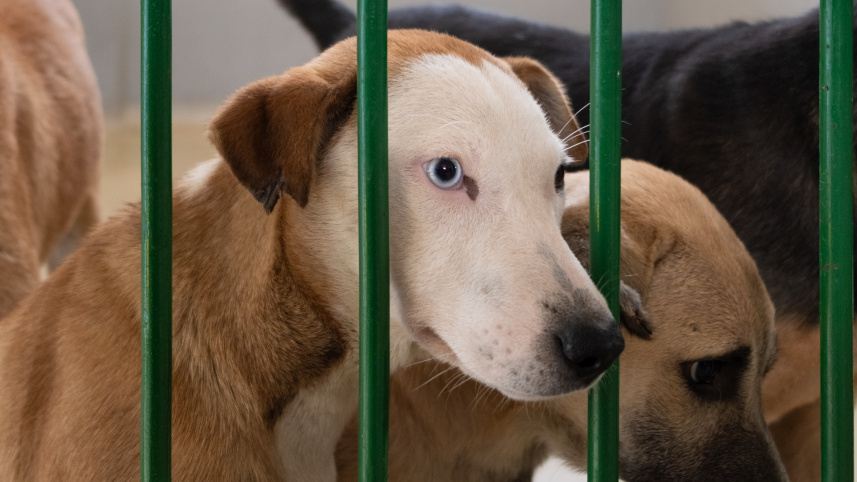
On most days in Dhaka, street dogs move through neighbourhoods almost unnoticed. They sleep beside roadside shops, wander through markets after dark, and survive on scraps. When they appear in news headlines, it is usually because of conflict. A bite incident, a complaint from residents, or a social media video of abuse.
Rarely does attention fall on the quieter work happening behind the scenes.

Furry Friends Foundation, a non-profit organisation dedicated to animal welfare in Bangladesh, is addressing the street dog issue through structured interventions rather than emotional responses. The organisation focuses on three major areas: sterilisation, vaccination, and treatment for serious illnesses among stray dogs.
A personal loss that started a movement
For Tasneem Sinha, chairperson of Furry Friends Foundation, the motivation behind the initiative began at home rather than in a policy discussion.
She had been caring for several abandoned and rescued dogs when tragedy struck. Two of the animals died from preventable diseases.
“The motivation behind establishing Furry Friends Foundation came from my personal experiences with abandoned dogs,” she explains. “I had several rescued and abandoned dogs under my care. Unfortunately, one of them died from Canine Distemper and another from Canine Parvovirus. Those losses deeply affected me.”
The experience forced her to confront a difficult question.
“It made me realise that if dogs who were receiving care and attention could still suffer and die from such diseases, then the situation for stray dogs living on the streets must be far worse, as they often have no one to look after them.”
From that moment, the concept for Furry Friends Foundation began to take shape.
The CNVR approach
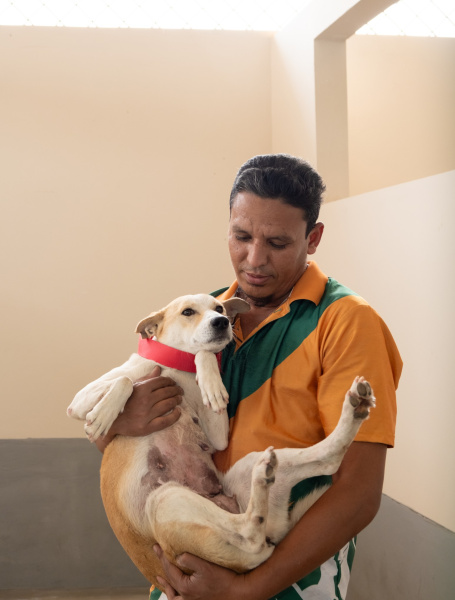
At the centre of the foundation’s work is a programme known as CNVR. The acronym stands for Catch, Neuter, Vaccinate and Return.
This method is widely considered the most humane strategy for managing street dog populations. Instead of removing animals permanently or killing them, the programme stabilises their numbers over time.
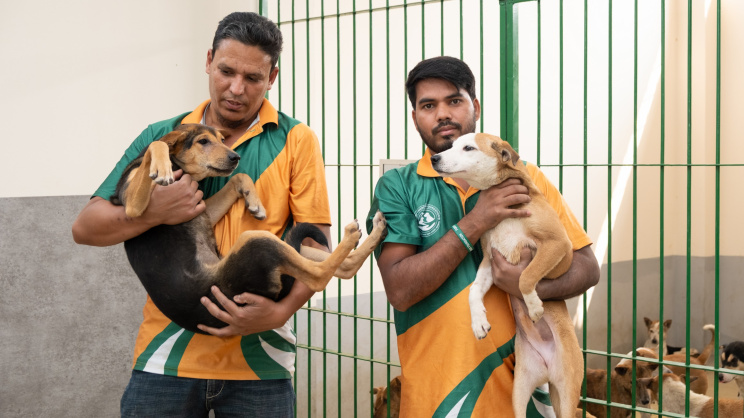
Dogs are humanely captured from specific neighbourhoods and brought to the organisation’s facility. There, they are sterilised so they cannot reproduce and vaccinated against diseases such as rabies. After a short recovery period, they are released back into the same area where they were found.
This territorial return is important. Dogs naturally defend their territory, so releasing sterilised animals back into the same neighbourhood prevents unsterilised dogs from moving into that space.
“The core mission of Furry Friends Foundation focuses on CNVR, vaccination, and cancer treatment for street dogs,” Sinha explains. “We prioritise CNVR because it is one of the most humane and effective ways to control the street dog population.”
Vaccination is another crucial part of the programme. Dogs receive rabies vaccines as well as DHPPL vaccines, which protect against a range of serious diseases, including canine distemper, hepatitis, parvovirus, parainfluenza, and leptospirosis.
Treating a disease few people know about
Another area of work that sets the organisation apart is its focus on canine cancer treatment.
Many street dogs in Bangladesh suffer from untreated tumours, particularly a disease known as Transmissible Venereal Tumour or TVT. The condition spreads through contact between dogs, and often appears as bleeding growths around the genital area.
People frequently mistake the symptoms for injuries or infections. In some cases, frightened residents attack the animals rather than seeking help.
 For all latest news, follow The Daily Star's Google News channel.
 For Sinha, this issue is deeply personal.
“As a cancer survivor myself, learning that dogs can also suffer from cancer deeply motivated me to support their treatment,” she says.
Through the foundation’s canine cancer treatment initiative, dogs diagnosed with such conditions receive medical care and, when possible, free treatment.
The aim is not only to save individual animals, but also to prevent disease from spreading within the street dog population.
Building a humane system
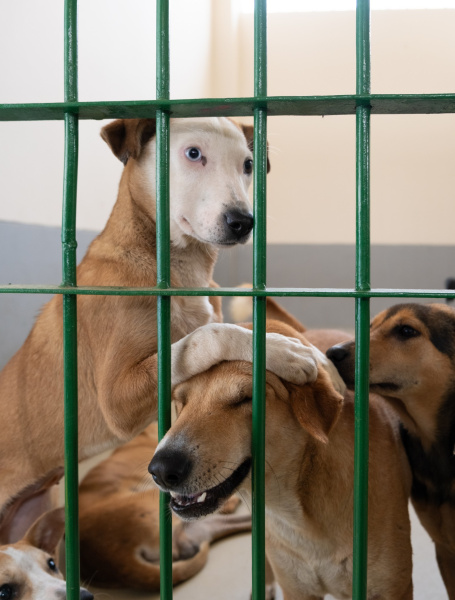
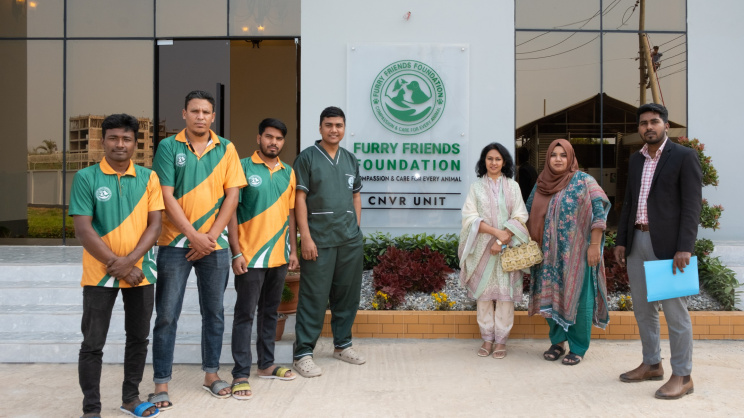
Furry Friends Foundation officially launched in January 2025, although the founders had been working informally with rescued animals before that. Much of the current funding comes from the founding members themselves, while the organisation continues to seek corporate support and partnerships.
The foundation is also exploring collaborations with local authorities to expand sterilisation and vaccination programmes across Dhaka.
But beyond logistics and funding, the organisation is trying to address something deeper: public perception.
Street dogs are often viewed as either threats or disposable animals. Changing that mindset is a long process that requires education and community engagement.
A long-term vision
For Tasneem Sinha, the work is not about charity alone. It is about building a system that allows people and animals to coexist without conflict.
“Our long-term goal at Furry Friends Foundation is to create a sustainable environment where street dogs can live healthy, safe lives, and peacefully coexist with humans in every community,” she says.
The organisation hopes to expand its CNVR programmes, vaccination drives, and cancer treatment services across urban and semi-urban areas of Bangladesh.
It also plans to strengthen public awareness campaigns about responsible animal care and the importance of compassion toward stray animals.
“Ultimately,” Sinha says, “our vision is a society where every stray dog is protected, healthy, and valued as part of the community.”
In a country where street animals are often ignored until a crisis occurs, that vision represents a significant shift. The challenge now is turning it into a lasting reality.



Comments