


DIY terrariums make nature accessible for busy urbanites
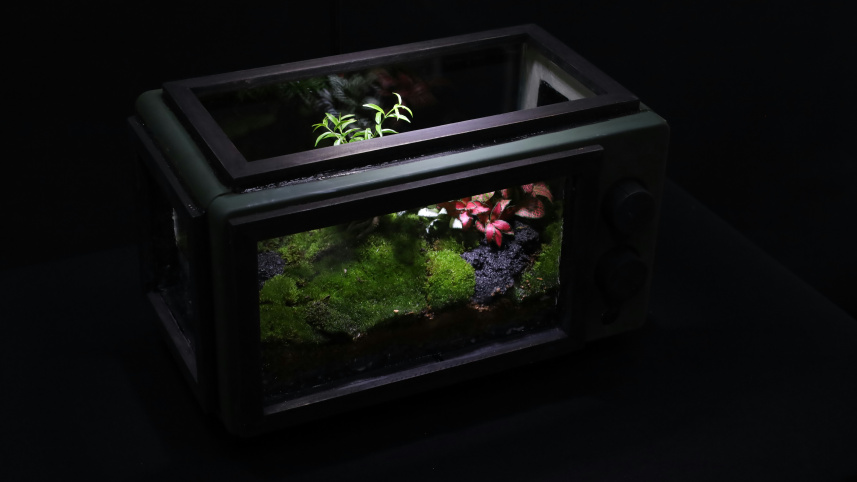
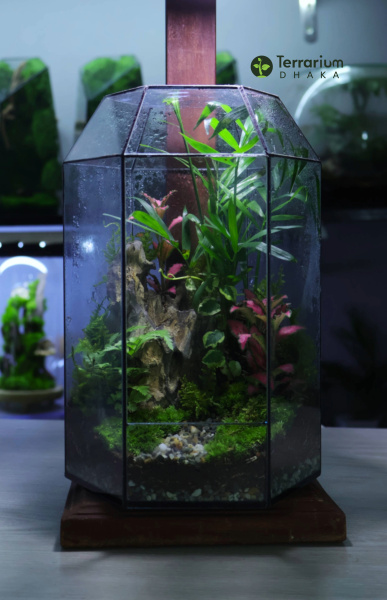
In cities like Dhaka, where high-rises have replaced open fields and balconies are gradually shrinking into symbolic rectangles, a new kind of greenery is quietly taking hold. It is not your typical garden or sprawling houseplant, but a “miniature ecosystem” — small enough to sit on an office desk or a child’s study table. Terrariums, which are glass-enclosed micro-worlds of moss, ferns, soil and stone, are surprisingly attracting the attention of urban dwellers who want nature but need it in manageable portions.
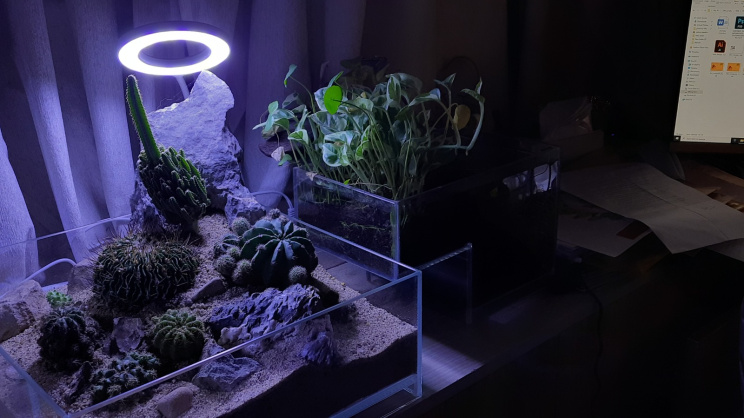

A shift in urban lifestyles
They are small, somewhat low-maintenance and visually stunning. This is why more people are becoming increasingly interested in purchasing or making them. With green space disappearing, urban dwellers are searching for ways to bring nature into their homes, and this is where these miniature ecosystems come into play.
Terrarium Dhaka owner Md Moniruzzaman Akhund Shohag remembers the moment the idea took root.
“It was in 2019 when I came across some related online content. The concept was already popular in cities like Singapore, Seoul, Tokyo, and New York. However, in Dhaka, hardly anyone was actively pursuing it. That curiosity eventually pushed me into research, and I realised that it was possible to source materials and make terrariums here,” he explains.
Across town, another pioneer, Ashraf Rizve, CEO of Nature Aquatics, entered the field through planted aquariums. “I believe that the advantage is that their maintenance level is relatively low. If you properly set them up, it requires almost zero effort,” he says.
Although both Shohag and Rizve started before the trend caught on, today they find themselves at the centre of a growing market. From younger hobbyists and aesthetically driven corporate buyers to parents searching for meaningful and hands-on activities for their children, the growing interest includes a diverse group of people.
According to Shohag, awareness remains low despite five years of work. “Not many people are aware that terrariums are made here. Most of my clients include people who are from abroad or follow global trends regularly,” he shares. In short, wealthy clients form the bulk of his customer base, especially those who purchase “miniature ecosystems” as customised home pieces or unique gifts.
Moreover, Shohag notes that there is a rising demand from corporations. For many companies, they can serve as symbolic gestures of sustainability and creativity.
Similarly, for Nature Aquatics, the clientele leans towards the corporate segment. “Our client base consists mostly of adults because we deal with the corporate sector,” Rizve explains. He recalls a recent order where bulk orders had been placed by a company as year-end gifts.
Additionally, Nature Aquatics works on larger installations called vivariums, combining water and terrestrial elements for reception corners or as office lobby décor.
Choosing plants and materials
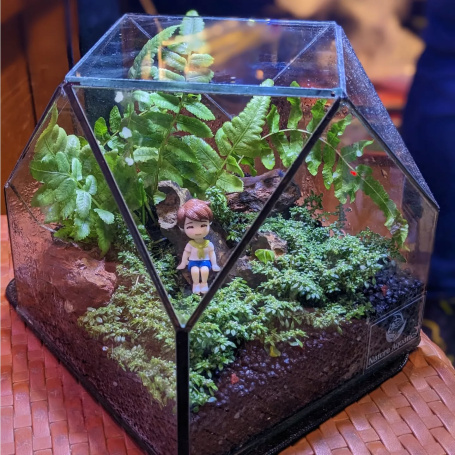
On the outside, it may look stunning, but it is what goes inside that really matters. After spending a year on research, Shohag and his team finally settled on plants that can actually survive in Bangladesh’s humid climate.
“Fittonia is great and then there are some ferns that come from India or Thailand that can also be used. We tend to go for ferns and mosses such as cushion moss, ball moss, and fern moss as they survive very well.”
Rizve offers a simple breakdown for beginners. According to him, soil quality is very important. As for advanced hobbyists, he recommends ingredients like sphagnum moss, aqua soil, and even small living organisms like springtails that help control mould.
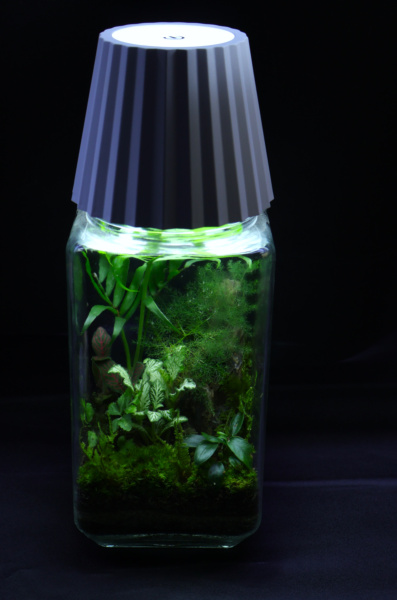
“Springtails eat the fungus that forms and prevent its spread,” he notes. This is where terrarium-making becomes miniature ecology, not just décor.
It is suggested that beginners should start with orchid soil or cactus soil purchased from nurseries. Various natural materials can also be sourced, such as small stones, sand, or branches from outdoor parks, echoing Shohag’s observation that it is fundamentally suitable for DIY projects.
Maintenance myths and practical realities
“I believe that the most serious problem arises when owners tend to keep their jars in air-conditioned rooms or under insufficient light. If they opt for weekly misting and exposure to indirect sunlight for several hours, I think that’s more than enough. This is the least anyone should do,” he suggests.
 For all latest news, follow The Daily Star's Google News channel.
 He warns against overwatering and direct sunlight, which are two common mistakes that can lead to the death of a crafted environment. A closed terrarium may act like a sealed greenhouse — too much heat can “cook” the plants, and too much water can collapse the ecosystem.
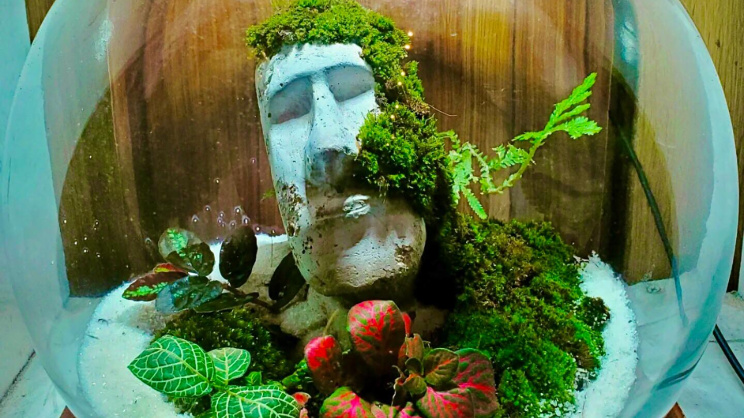
Rizve adds that anyone can use them as affordable experiments. “Even mayonnaise or coffee jars can be used for setting them up. All you require is some creativity,” he says. For advanced hobbyists, adding sculptures, figurines, or thematic elements turns these into a personal story.
Learning through hands-on practice
Recently, workshops have become the new gateway for curiosity. According to Shohag, hands-on learning creates stronger engagement than online tutorials. “I believe that workshops should be conducted physically so the concept becomes clear,” he says.
So far, Terrarium Dhaka has completed multiple sessions and now plans to conduct weekly classes with more affordable pricing. The enthusiasm is high, especially among hobbyists seeking creative outlets.
Workshops also indicate a subtle shift: parents are increasingly looking for ways to give their children screen-free entertainment. With their tactile assembly and slow transformation, they offer a form of engagement that neither overstimulates nor isolates.
The future
According to both Shohag and Rizve, city dwellers have only just begun to understand the concept.
“I have seen that only recently; people are showing interest in them. In fact, many people do not know that we regularly conduct workshops,” says Shohag. The reason behind this might be that they are still not mainstream and there is plenty of room for growth.
Right now, these are often seen as premium lifestyle objects, something wealthy homeowners display in drawing rooms or corporate executive gifts as statement pieces. This scenario suggests a future that can go in two directions, either as premium, customised builds for affluent clients, or a more affordable DIY culture supported by workshops, starter kits, and school programmes.
Simply put, terrariums in Bangladesh are still at the early adopter stage. However, with workshop demand, corporate interest, rising curiosity among students, and the potential of school-based programmes, the appeal can grow. In a way, they fit the future of urban Bangladesh: smaller spaces, smarter choices, and a new kind of relationship with greenery.
Comments