


Int’l Day of Care and Support
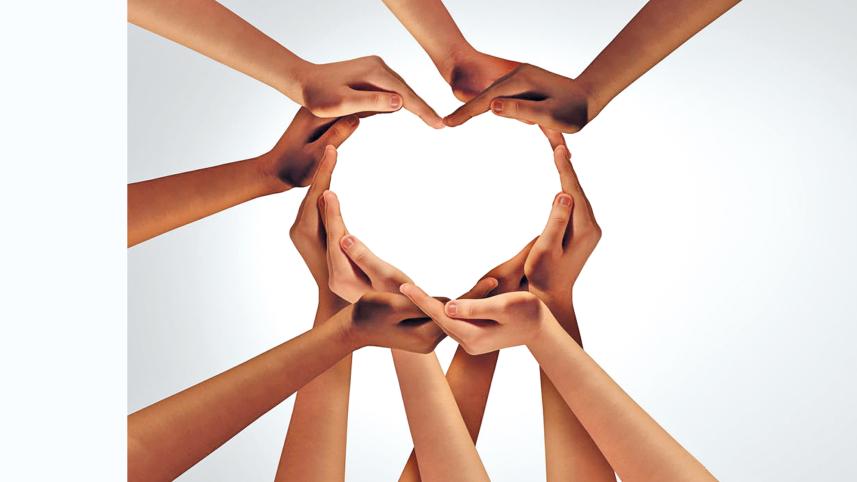
Care work consists of two overlapping activities: direct, personal and relational care activities, such as feeding a baby or nursing an ill partner; and indirect care activities, such as cooking and cleaning. Unpaid care work is care-work provided without a monetary reward by unpaid carers. Unpaid care is considered as work and is thus a crucial dimension of the world of work. Paid care work is performed for pay or profit by care workers. They comprise a wide range of personal service workers, such as nurses, teachers, doctors and personal care workers. Domestic workers who provide both direct and indirect care in households, are also part of the care workforce.
Growing populations, ageing societies, changing families, women's secondary status in labour markets and shortcomings in social policies demand urgent action on the organisation of care work from governments, employers, trade unions and individual citizens. If not adequately addressed, current deficits in care service provision and its quality will create a severe and unsustainable global care crisis and increase gender inequalities at work.

The care economy is growing as the demand for childcare and care for the elderly is increasing in all regions. It will thus create a great number of jobs in the coming years. However, care work across the world remains characterised by a void of benefits and protections, low wages or non-compensation, and exposure to physical, mental and, in some cases, sexual harm. It is clear that new solutions to care are needed on two fronts: in regard to the nature and provision of care policies and services, and the legal terms and conditions of care work.
Mindful of the need to invest in the care economy and to create robust, resilient and gender-responsive, disability-inclusive and age-sensitive care and support systems with full respect for human rights with a view to recognising, reducing, valuing and redistributing unpaid care and domestic work and support, the UN General Assembly decided to proclaim 29 October as International Day of Care and Support.
The Assembly invited stakeholders to observe the International Day of Care and Support on an annual basis in an appropriate manner in order to raise awareness of the importance of care and support and its key contribution to the achievement of gender equality and the sustainability of our societies and economies, as well as of the need to invest in a resilient and inclusive care economy, including the development of strong and resilient care and support systems.
This year's celebration aims to consolidate progress and momentum in global and regional discourses and action. The campaign will highlight: key global discussions on care and support held in 2025, in Geneva, New York, and around the world; perspective of diverse stakeholders, including diverse rights-holders, employers' and workers' organisations, both as those providing and requiring care and support, on progresses and gaps in 2025 to advance gender equality and ensuring leaving no one behind in sustainable development.
Compiled by Law Desk (Source: UN.ORG)
 For all latest news, follow The Daily Star's Google News channel.
Comments