


Printable Solar Cells Just Got a Little Closer
23 February 2017, 18:00 PM
Special Read
Illuminating Origin of Organics
23 February 2017, 18:00 PM
Special Read
QUIRKY SCIENCE
16 February 2017, 18:00 PM
Special Read
The Discovery of Time Crystals
2 February 2017, 18:00 PM
Special Read
Life without Oxygen
2 February 2017, 18:00 PM
Special Read
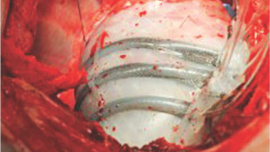
Robot Helps the Heart Beat
26 January 2017, 18:00 PM
Special Read
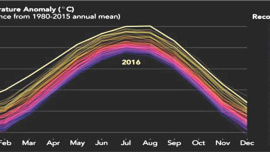
2016 Warmest Year on Record Globally
26 January 2017, 18:00 PM
Special Read
QUIRKY SCIENCE
19 January 2017, 18:00 PM
Special Read
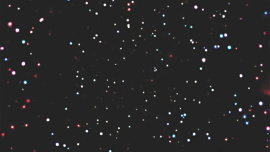
Black Hole Treasure Trove Revealed
12 January 2017, 18:00 PM
Special Read
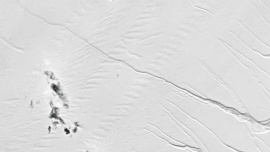
Ice Berg Set to Calve from Larsen C Ice Shelf
12 January 2017, 18:00 PM
Special Read
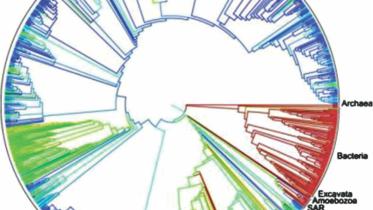
The Tree of Life
A first draft of the "tree of life" for the roughly 2.3 million named species of animals, plants, fungi and microbes – from platypuses to puffballs – has been released.
1 October 2015, 18:00 PM
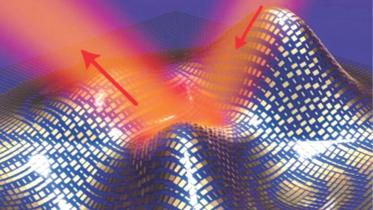
Ultrathin invisibility cloak
Invisibility cloaks are a staple of science fiction and fantasy, from Star Trek to Harry Potter, but don't exist in real life, or do they?
1 October 2015, 18:00 PM
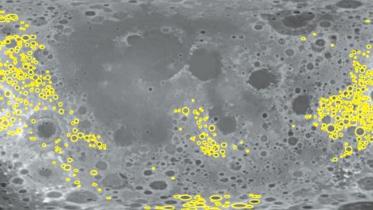
Crust of the Moon
Scientists believe that about 4 billion years ago, during a period called the Late Heavy Bombardment, the moon took a severe beating
17 September 2015, 18:00 PM
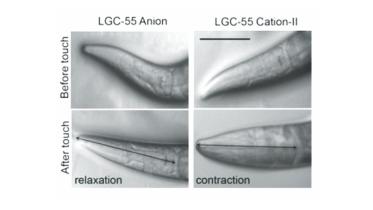
Synaptic Engineering changes Behavior
Researchers at the University of Massachusetts Medical School are the first to show that it's possible to reverse the behavior of an animal by flipping a switch in neuronal communication.
17 September 2015, 18:00 PM
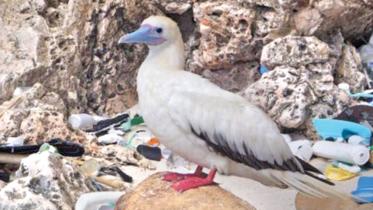
Quirky Science
Researchers from CSIRO and Imperial College London have assessed how widespread the threat of plastic is for the world's seabirds, including albatrosses, shearwaters and penguins, and found the majority of seabird species have plastic in their gut.
10 September 2015, 18:00 PM
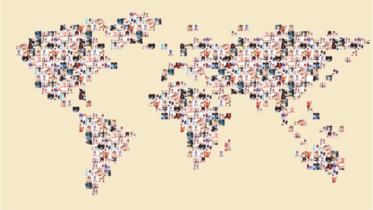
Life Expectancy Climbs
Global life expectancy has risen by more than six years since 1990 as healthy life expectancy grows; ischemic heart disease, lower respiratory infections, and stroke cause the most health loss around the world.
3 September 2015, 18:00 PM
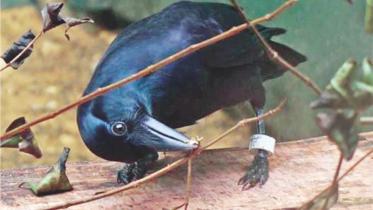
Something to crow about
Among our greatest achievements as humans, some might say, is our cumulative technological culture – the tool-using acumen that is passed from one generation to the next.
3 September 2015, 18:00 PM
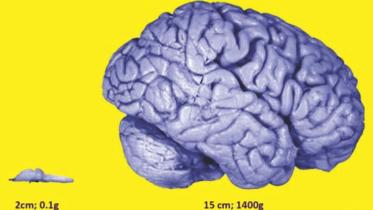
Why we are smarter than chickens
Toronto researchers have discovered that a single molecular event in our cells could hold the key to how we evolved to become the smartest animal on the planet.
27 August 2015, 18:00 PM
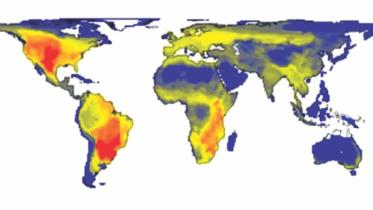
World without Humans
The fact that the greatest diversity of large mammals is found in Africa reflects past human activities – and not climatic or other environmental constraints.
27 August 2015, 18:00 PM
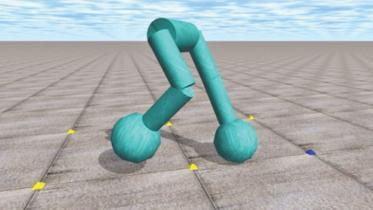
Mass Extinction accelerates Evolution
A computer science team at The University of Texas at Austin has found that robots evolve more quickly and efficiently after a virtual mass extinction modeled after real-life disasters such as the one that killed off the dinosaurs.
20 August 2015, 18:00 PM
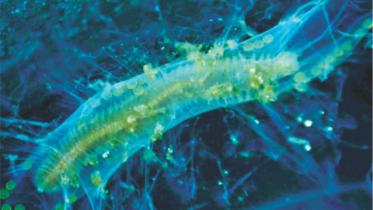
Ocean Acidification
Marine organisms living in acidified waters exhibit a tendency to nurture their offspring to a greater extent than those in more regular conditions.
20 August 2015, 18:00 PM
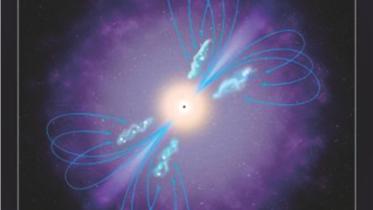
Birth from the Black Hole
Astronomers have uncovered a unique process for how the universe's largest elliptical galaxies continue making stars long after their peak years of star birth.
13 August 2015, 18:00 PM
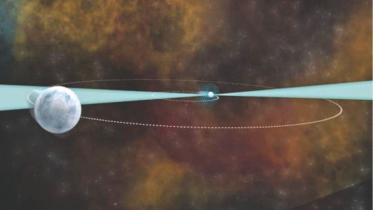
The effects of Gravity
Gravity, one of the four fundamental forces of nature, appears reassuringly constant across the Universe, according to a decades-long study of a distant pulsar.
13 August 2015, 18:00 PM
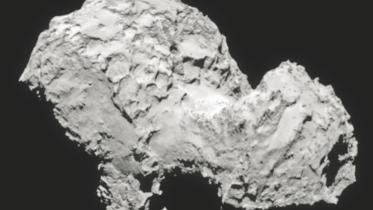
QUIRKY SCIENCE
Organic molecules never previously observed in comets, a relatively varied structure on the surface but fairly homogeneous interior, organic compounds forming agglomerates rather than being dispersed in the ice: these are just some of first results provided by Philae on the surface of comet Churi.
6 August 2015, 18:00 PM
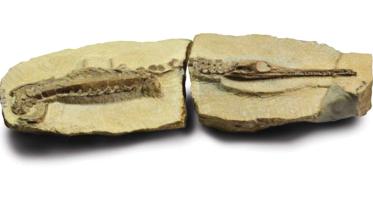
Ancient Life in 3D
Hidden secrets about life in Somerset 190 million years ago have been revealed by researchers at the University of Bristol and the Bath
30 July 2015, 18:00 PM
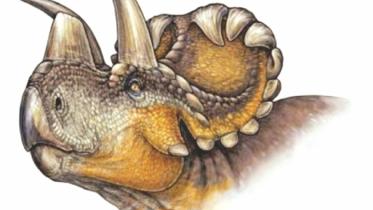
Evolution of the Nose Horn
Scientists have discovered a striking new species of horned dinosaur (ceratopsian) based on fossils collected from a bone bed in southern Alberta, Canada.
16 July 2015, 18:00 PM
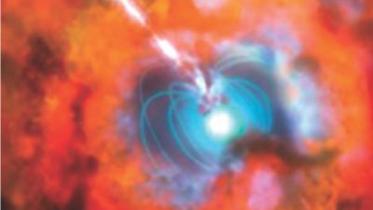
Magnet Burst
Gamma-ray bursts are one of the outcomes associated with the biggest explosions to have taken place since the Big Bang.
16 July 2015, 18:00 PM
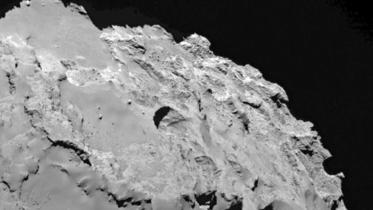
SINKHOLES IN COMET
The European Space Agency's Rosetta spacecraft first began orbiting comet 67P/Churyumov-Gerasimenko in August 2014. Almost immediately, scientists began to wonder about several surprisingly deep, almost perfectly circular pits on the comet's surface. Now, a
9 July 2015, 18:00 PM
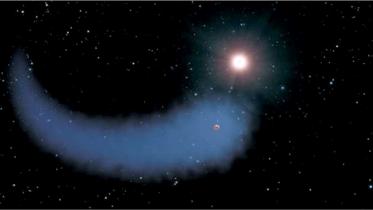
Behemoth Bleeds
Astronomers using NASA's Hubble Space Telescope have discovered an immense cloud of hydrogen dubbed "The Behemoth" bleeding off a planet orbiting a nearby star. The enormous, comet-like feature is about 50 times the size of the parent star. The hydrogen is evaporating from a warm, Neptune-sized planet, because of the extreme radiation from the star.
2 July 2015, 18:00 PM
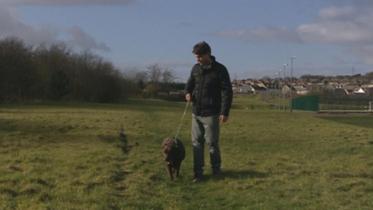
Pet dog helps find true love: Study
A dog is not just a pet; rather he is a friend, a partner and a defender. His master is in turn his life, his love and his leader.
30 June 2015, 15:35 PM