


When ‘natural’ is not always better for your health

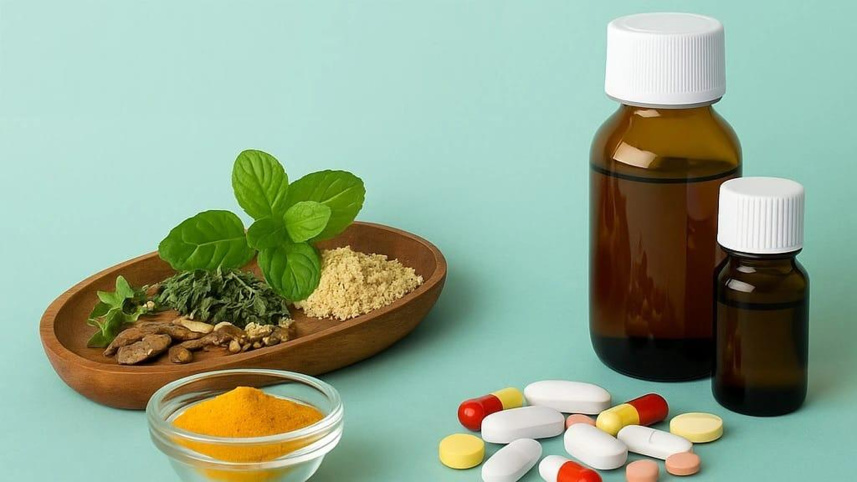
The word “natural” has become one of the most persuasive labels in today’s wellness world. It appears on herbal teas, beauty products, food packages and health supplements, often creating the impression that anything natural is automatically safe. At the same time, many people have grown suspicious of products made through science, believing they are harmful simply because they are not found in nature. This popular belief, however, can put health at risk.
Nature offers many wonderful things, but it is not always gentle. Some of the world’s most dangerous substances come directly from nature. Certain plants, mushrooms and animal toxins can cause serious illness or even death. Yet many people continue to trust untested herbal mixtures while avoiding medicines recommended by doctors, simply because one sounds natural and the other does not.

The truth is that safety depends on careful testing, the right amount and proper quality, not on whether something grows in the ground or is produced in a laboratory. Many of the treatments that have transformed modern healthcare are made through scientific methods. They save millions of lives every year because they are carefully studied, consistently produced and closely monitored before reaching patients.
Unfortunately, the wellness industry often takes advantage of the public’s love for the word “natural”. Labels such as “chemical-free”, “ancient remedy” or “pure herbal” can make products appear healthier than they really are. In reality, many of these items have not been properly examined for long-term safety. Some may even interfere with prescribed medicines or place extra strain on the body without users realising it.
The problem extends beyond individual choices. Misinformation shared through social media and everyday conversations can encourage people to reject proven healthcare in favour of unverified remedies. This may delay treatment for serious conditions and increase preventable complications.
Instead of asking whether a product is natural or synthetic, consumers should ask more useful questions. Has it been tested? Is its quality controlled? Is it suitable for my condition? Can it be safely used with my current medicines?
Good health depends on evidence rather than attractive labels. Nature should be respected, but not blindly trusted. Likewise, science should not be feared simply because it creates medicines in a laboratory. The safest decision is not guided by clever marketing, but by reliable knowledge, informed choices and advice from qualified health professionals.
Raisa Mehzabeen is the founder & CEO of Nutrition For Change. E-mail: raisameh20@gmail.com
 For all latest news, follow The Daily Star's Google News channel.
Comments