


Violence against women during COVID-19
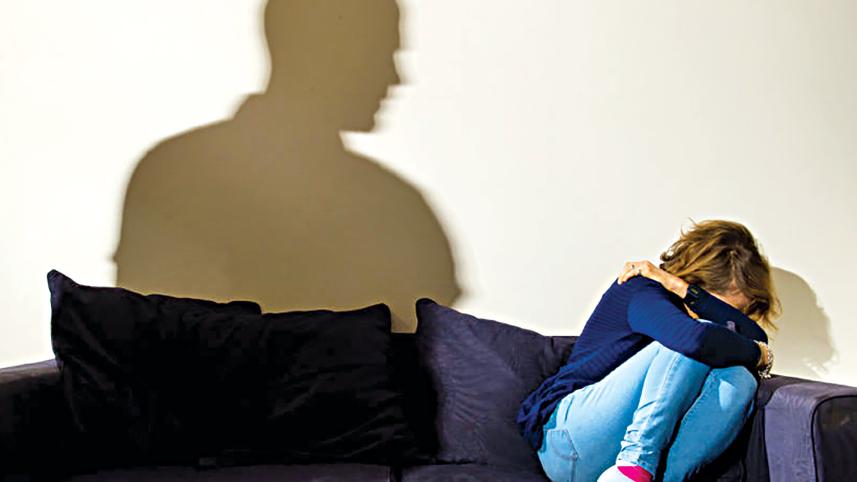
Since the outbreak of the pandemic, a dramatic increase has been reported in recorded cases of violence against women and domestic violence worldwide. Here are some key information about what you can do during to prevent and address violence against women during the COVID-19 pandemic.
Home is not a safe place for me. What can I do?

If you are experiencing violence, it may be helpful to reach out to family, friends and neighbours, to seek support from a hotline or, if safe, from online service for survivors of violence. Find out if local services (e.g. shelters, counselling) are open and reach out to them if available. Make a safety plan in case the violence against you or your children escalates. This includes:
• Identifying a neighbour, friend, relative, colleague, or shelter to go to in case you need to leave the house immediately for safety.
• Have a plan for how you will exit the house safely and how you will reach there (e.g. transport).
• Keep a few essential items (e.g. identification documents, phone, money, medicines, and clothes) available, and emergency phone numbers.
• If possible, develop a code with a trusted neighbour so they can come to your aid in case of an emergency.
I need medical attention because of violence. Who can help me and where should I go?
If you need urgent medical attention, call for an ambulance or contact your country's emergency health services. If you need any other support, contact a specialised service if available or a health provider.
I am safe, but I am suffering from mental/sexual/social/long-term physical health problems because of violence. Is there anyone who can help me during COVID-19?
As much as possible, reduce sources of stress:
• Maintain contact with and seek support from family and friends via phone, email, text, etc.
• Try to maintain daily routines and make time for physical activity and sleep.
• Use relaxation exercises (e.g. slow breathing, meditation, progressive muscle relaxation etc.) to relieve stressful thoughts and feelings.
• Engage in activities that in the past have helped with managing adversity.
• Seek information about COVID- 19 from reliable sources and reduce the time spent consuming news (for example, 1-2 times per day, rather than every hour).
Seek care from a trained health provider for symptoms and conditions including injuries that need medical attention. Due to restrictions on movement, and pressure on health systems, it may be difficult to access healthcare in person at this time. In this case, find out what is available in your locality and seek alternatives, including information and support offered by phone or online.
I am worried about someone I know. How can I help?
If you know of, or are concerned about, someone in an abusive relationship there are some things you can do:
 For all latest news, follow The Daily Star's Google News channel.
 • Keep regularly in touch with the person to check that they are safe, ensuring that it is safe for them to be in touch with you. Assume that a perpetrator of violence can see, hear and or monitor communications, so find out how best to communicate with the person that you are concerned about. Be discrete in connecting with them when the abuser is present in the home so that they are not placed at risk of additional harm. Check each time, as this may change.
• If someone you know needs urgent help for whatever reason, be prepared to call emergency health services, the police, health centre, or hotline.
Violence – in all its forms – can have an impact on a woman's well-being throughout the rest of her life. This is unacceptable, and the risks of violence that women and their children face during the current COVID-19 crisis cannot be ignored.
When we are able to prevent violence, or to support women survivors of violence, we help to safeguard women's human rights, and promote physical and mental health and well-being for women throughout their lives. This also helps to alleviate pressure on already stretched essential public services, including the health system.
Source: World Health Organisation
Comments