


Rationing ventilators during the COVID-19 epidemic
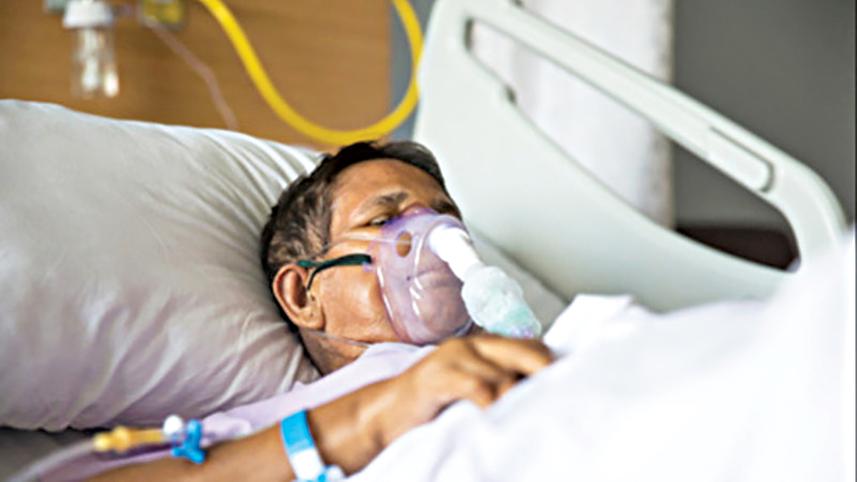
As the COVID-19 epidemic exploded, many hospitals began creating triage policies to prepare for the possibility of having to ration ventilators.
Although virtually all policies considered "benefit" in their rationing criteria, they also cited need, age, "lottery," and first-come-first-served, in varying proportions. Ten policies gave preference to healthcare workers. Twenty-one used physiologic scoring systems in assessing need and benefit (e.g., SOFA [Sequential Organ Failure Assessment] scores). Half the policies used specific clinical diagnoses in allocation criteria, and two thirds specified criteria that should not be used (e.g., insurance status, race, disability). Half the policies had age criteria. The composition and procedural guidelines of "triage committees" also varied considerably.

The striking finding here is the heterogeneity across policies. This likely reflects several factors, including haste (with institutions scrambling to construct policies on short notice), philosophical differences, and sheer difficulty of crafting rules about rationing. In late March, JAMA published "A Framework for Rationing Ventilators and Critical Care Beds."
Those authors assign points for likelihood of surviving to hospital discharge and points for likelihood of long-term survival (based on underlying life expectancy). Age itself is a "tie-breaker," favouring younger patients when point scores for two patients are equal.
 For all latest news, follow The Daily Star's Google News channel.
Comments