


Pregestational diabetes profoundly affects perinatal outcomes
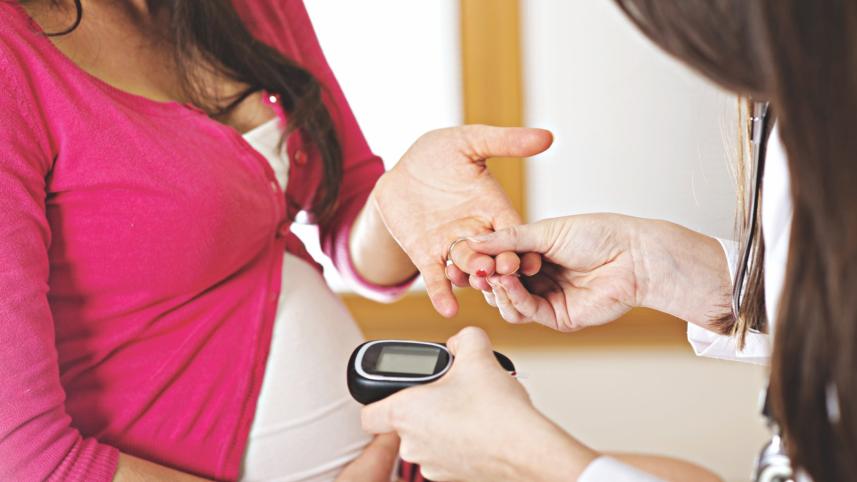
Nearly 3% of reproductive-aged U.S. women have type 1 or type 2 diabetes and 6% of pregnancies are complicated by gestational diabetes. In addition, diabetes diagnosed before pregnancy (pregestational diabetes) is a well-known risk factor for poor pregnancy outcomes, including birth defects.
Assessing risk for individual birth defects related to diabetes has been challenging because of the low incidence of specific anomalies. Therefore, investigators examined data on 31,000 pregnancies affected by 50 distinct foetal anomalies in the National Birth Defects Prevention Study (NBDPS) from 1997 through 2011 to assess more accurately the association of an isolated defect with pregestational or gestational diabetes.

Statistically significant associations (many very strong) with pregestational diabetes were noted for 22 of 26 non cardiac anomalies, and for all 24 of the cardiac anomalies assessed.
These strong associations underscore the detrimental impact on pregnancies of pregestational diabetes, a condition that is dramatically growing in prevalence. Ideally, women should modify their lifestyles to lower their risk for developing type 2 diabetes — and preconception care should be encouraged as it has been associated with a 20% decrease in haemoglobin A1c levels and a 75% decrease in birth defects.
 For all latest news, follow The Daily Star's Google News channel.
Comments