


Experts urge front-of-package labelling to tackle rising NCDs risks
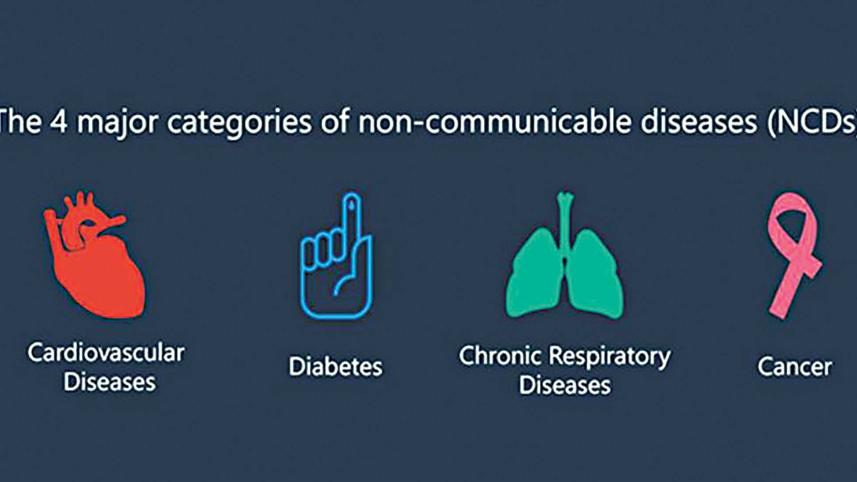
Health experts and activists have stressed introducing front-of-package labelling (FOPL) on ultra-processed food products to combat the spread of non-communicable diseases (NCDs) in the country.
Otherwise, the risk of NCDs linked to consumption of ultra-processed food will increase at an alarming rate, they warned.

They said this at a two-day journalists’ workshop titled “Front-of-Package Labelling (FOPL) in Bangladesh: Necessity, Progress and Way Forward”, organised by PROGGA (Knowledge for Progress), with support from the Global Health Advocacy Incubator (GHAI), on April 15-16 at the Bangladesh Medical Association (BMA) auditorium in Dhaka. It was attended by 29 journalists from different media platforms.
The speakers stressed that FOPL is an effective way to raise awareness, as such labelling enables consumers to easily identify food items high in salt (sodium), sugar, or saturated fat and make healthier dietary choices accordingly.
They also called for swift approval and implementation of a draft regulation to introduce mandatory FOPL, prepared by the Bangladesh Food Safety Authority (BFSA).
Around 97 percent people in Bangladesh consume packaged food at least once a week, but most struggle to understand the complex nutritional information provided on the back of packages, limiting their ability to assess health risks, they added.
The speakers argued that clear FOPLs would enable consumers to make informed decisions and choose healthier foods.
Globally, 44 countries that introduced FOPL, including 10 making it mandatory, have reported greater consumer awareness and reduced consumption of unhealthy food, they noted.
BFSA member Prof Mohammad Shoaeb expressed hope that the government’s initiative to introduce FOPL would be implemented soon.
Abu Ahmed Shamim, associate scientist at the BRAC James P Grant School of Public Health, said FOPL can help consumers make healthier choices and lower the risk of NCDs by reducing dependence on ultra-processed foods.
Samina Israt, programme officer (diet-related risk factors) at the World Health Organization (WHO), said introducing FOPL aligns with Bangladesh’s national health and nutrition policies and will help create a supportive food environment that promotes healthy eating habits.
Muhammad Ruhul Quddus, Bangladesh country lead of GHAI, said implementing FOPL would help lower healthcare costs for both the government and individuals.
Dhaka Tribune Editor Riaz Ahmed called for continued media coverage to press policymakers for introducing FOPL.
 For all latest news, follow The Daily Star's Google News channel.
Comments