


Bed Tea: A quiet ritual across time
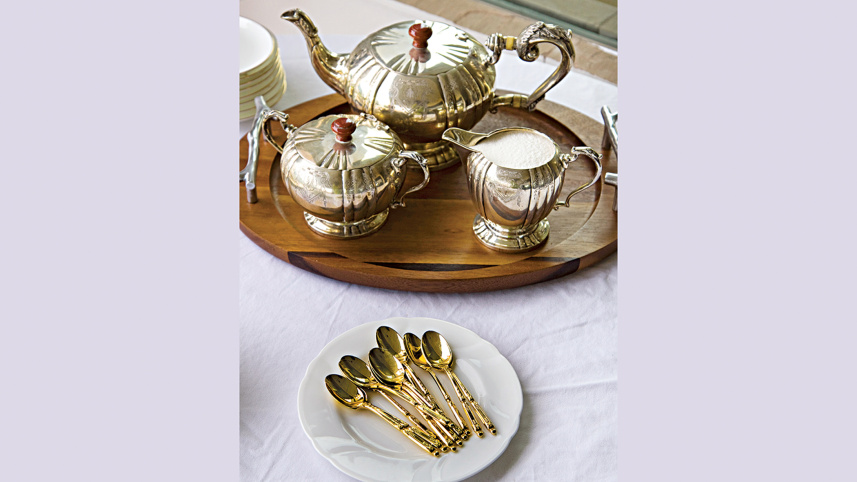
In 1930s colonial Dhaka, bed tea was the first act of waking life. Balancing a tray of porcelain cups, a pot of steaming milk tea, and a plate of biscuits, the master of the house reclined against embroidered cushions, unfolding the newspaper, while his wife joined him. Together they sipped their bed tea—sweet, milky, comforting—exchanging gentle words before the city’s bustle intruded.
For them, this ritual was more than refreshment; it was a symbol of refinement, a colonial custom reshaped to Bengali taste, a cocoon of intimacy at the threshold of the day. Bed tea was intimacy made tangible, a quiet ceremony that marked the transition from rest to rhythm. In those moments, tea was not just a drink but a cultural marker, a sign of belonging and care.

Dhaka’s beautiful, slow‑paced colonial habits have now completely taken a U‑turn. By the 1970s, the city’s mornings grew faster, and bed tea began to fade. The streets pulsed with life—rickshaw bells ringing, vendors calling out, workers gathering at cha‑er dokan, the tea stalls that lined the lanes. Tea was poured into glass cups, strong and sweet, brewed over coal fires. Clerks, students, and labourers sat shoulder to shoulder, dipping biscuits into their tea, debating politics or gossiping.
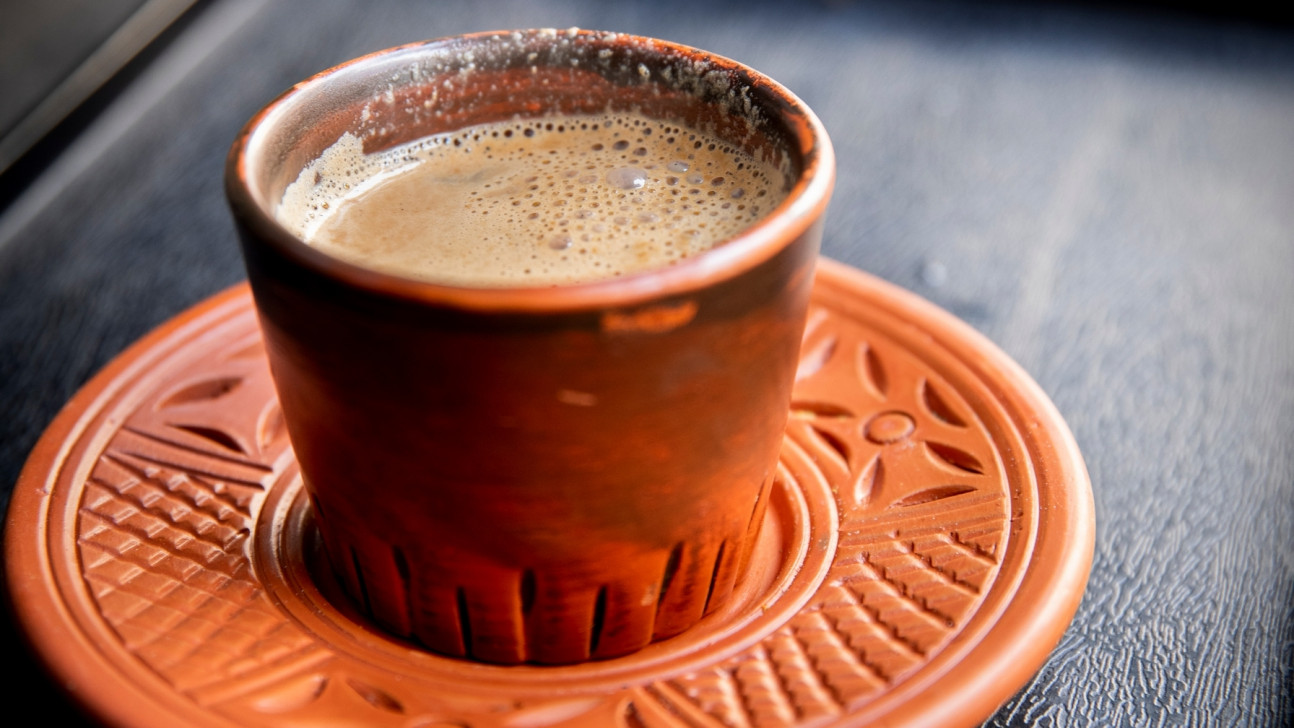
Unlike the exclusivity of bed tea, the tea stall was democratic, a place where everyone participated in the same ritual, stripped of hierarchy. Bed tea, once a symbol of leisure and intimacy, gave way to communal energy and conversation.
Yet many old timers and couples still held on to the idea, and their habit of bed tea became fodder for people like me—someone who loves tea and harbours fanciful imaginations of rituals.
I developed the habit of having bed tea because of stories I heard from my aunt, who was newly married to a tea estate manager at the time. She would sit in the tea gardens with her English tea set, the pot wrapped in a hand‑embroidered tea cosy, pouring with such grace that even the steam seemed ceremonial.
At 92 now, she has placed in my hands a few pieces of her antique English porcelain dinnerware and teacups—fragile treasures, yet strong with memory. Later in life, whenever I visited her, I recall her mornings and evenings: crisp cotton saris, pearl strands around her graceful neck, tiny danglers catching the light, and always the tea, always the ritual. Watching her, I absorbed more than the taste—I learned the rhythm of housekeeping, the joy of baking, the quiet dignity of order.
But my rituals are nothing elegant like hers. Mine are rushed, and I cannot begin my day before two cups of steaming black tea liquor, steeped in ginger and cloves. My husband brews the perfect morning tea I love—it charges my battery. Even though I claim to be a tea person, I always brew a runny, flat tea. What I truly love is the aroma of tea brewing, filling the house, marking the start of our day. For some thirty-odd years now, our mornings at 6 a.m. have begun on that fine note, a rhythm of life that continues to this day.
Fast‑forward to today, and Dhaka’s mornings are transformed. Bed tea has all but vanished, replaced by hurried breakfasts and the vibrant culture of roadside stalls and cafés. Young professionals often begin their day with coffee, signalling a cultural shift.
Bed tea survives only as nostalgia, remembered fondly by older generations or offered occasionally in boutique hotels as a gesture of charm. Now bed tea retains its symbolic role—comfort, hospitality, and continuity—though modest compared to the porcelain cups and leisurely mornings of Dhaka’s elite past. Bed tea today is not about refinement but about warmth, a simple act of beginning the day together.
Bed tea has travelled from the private luxury of colonial Dhaka to the communal energy of modern tea stalls. It may no longer define Dhaka’s mornings, but its memory continues to whisper the gentle pace of days gone by.
 For all latest news, follow The Daily Star's Google News channel.
Comments