


Samina Nafies explores folk memory through art
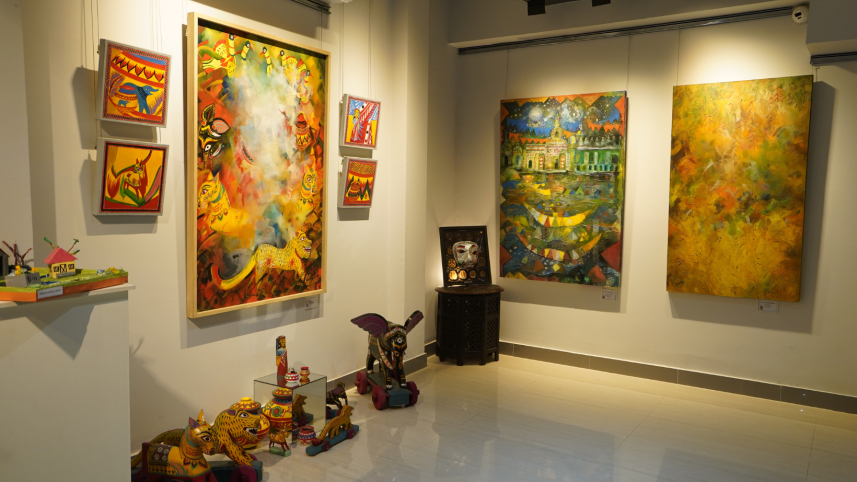
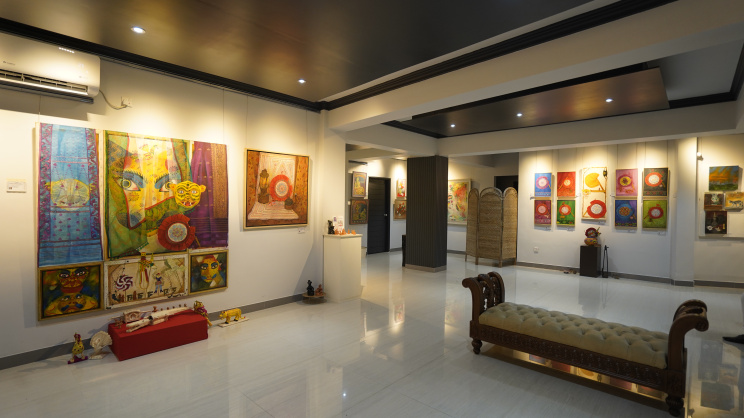
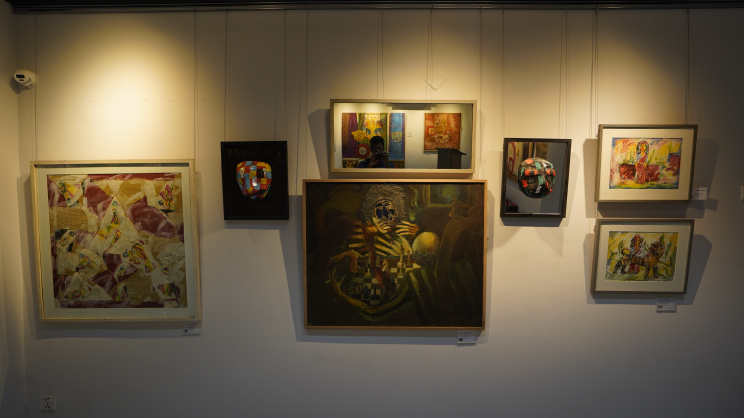
At Desh Art Gallery in Baridhara, Samina Nafies has opened “Reinterpretation of Indigenous Art”, a new exhibition that turns toward memory, folk inheritance, and the visual grammar of Bengali life. Presented as the artist’s ninth solo exhibition, the show opened on April 9 and continued till April 13 with daily viewing hours from noon to 7:30 pm. Due to its relevance to Bengali culture, it was later extended to remain open to visitors today (April 14) as well.
Nafies is an artist of long experience. Born in 1961, she completed her Master of Fine Arts at the University of Chittagong in 1986 and has for years served as Programme Officer for Fine Arts at the Bangladesh Shishu Academy. Her professional life has extended beyond studio practice into art education, children’s culture, and publication. She is also the author of two books, “Surrealism in Painting” and “Drawing and Reading of Pictures”.
Her experience plays an important role in giving this exhibition a sort of coherence despite combining different types of artistic styles. She places long-familiar signs of Bengali culture into a contemporary pictorial field and asks how tradition may be carried forward without being reduced to ornament.

Nafies belongs to a generation of Bangladeshi artists for whom painting has often remained in conversation with pedagogy, literature, public culture, and the social life of images. Her earlier career includes several solo exhibitions in Dhaka, along with participation in National Art Exhibitions and Asian Art Biennials. She has also appeared in international group exhibitions, including a Bangladeshi women artists’ exhibition at Rogue Space in Chelsea, New York, in 2017.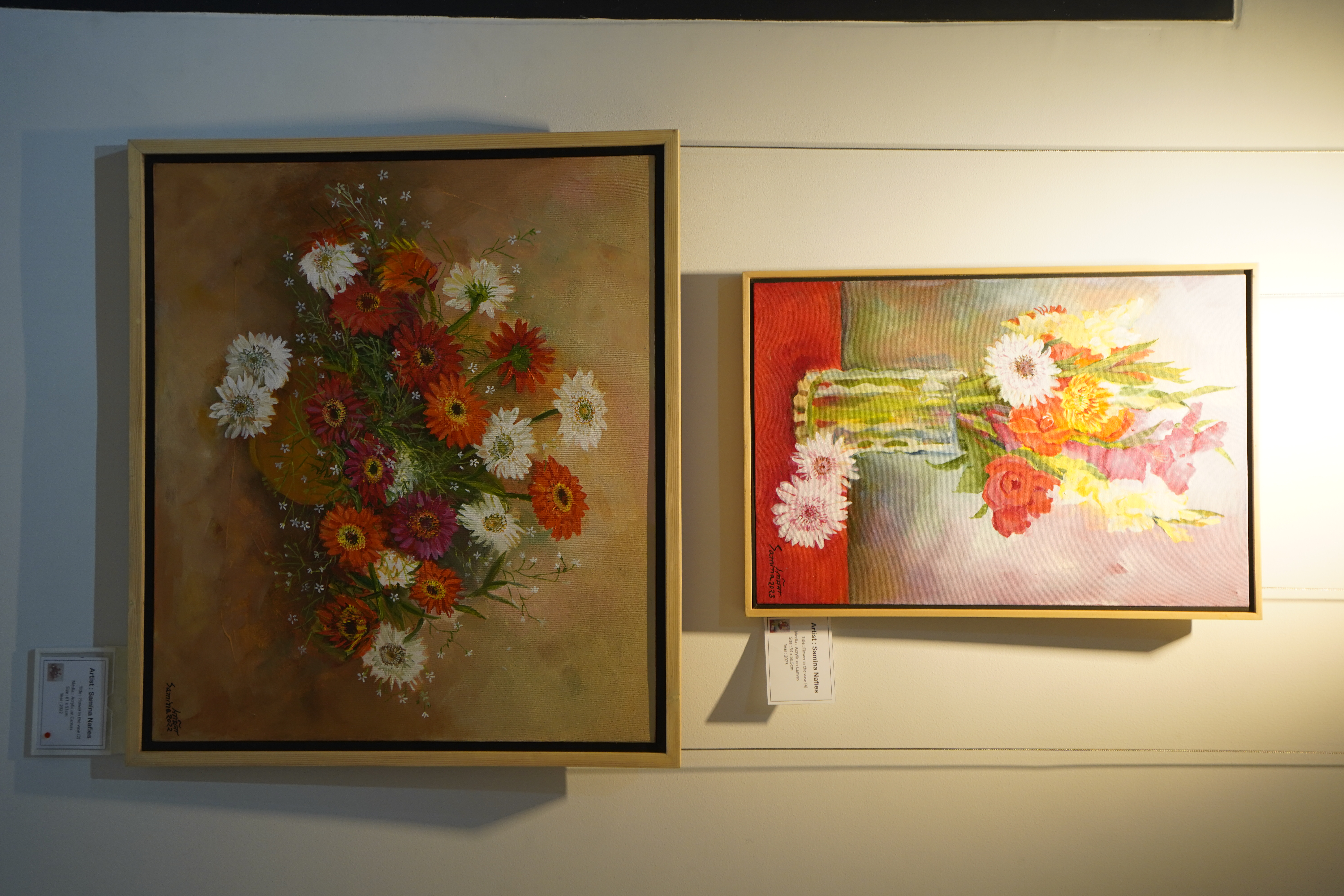
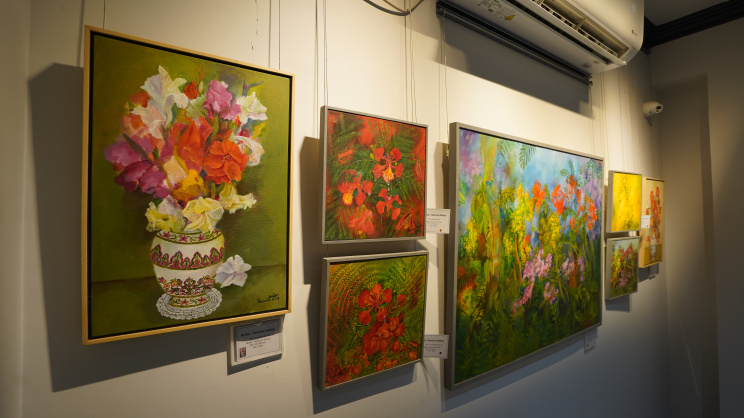
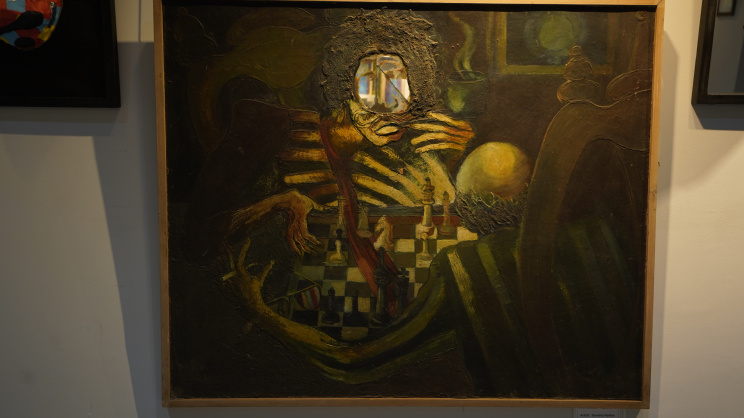
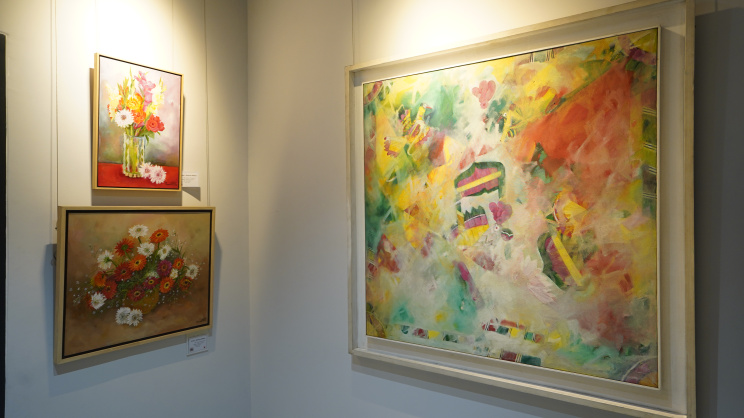
In the current exhibition, the visual field moves between intimate and emblematic forms. The works range from simple floral arrangements in vases to paintings derived from the artist’s own radiology and MRI images from Brighton Hospital.
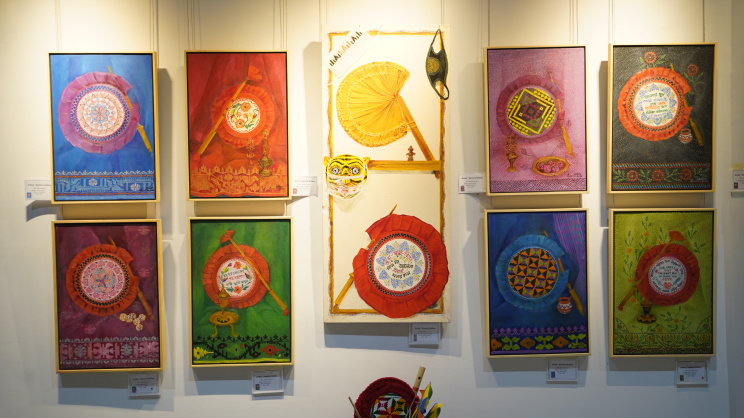
The exhibition is strongest when it turns most directly towards Bengali material culture. Traditional pankhas appear as recurring motifs, carrying hand-painted phrases and fragments of rural wisdom, including references to Khonar Bachan. These details give the works a particular social weight.
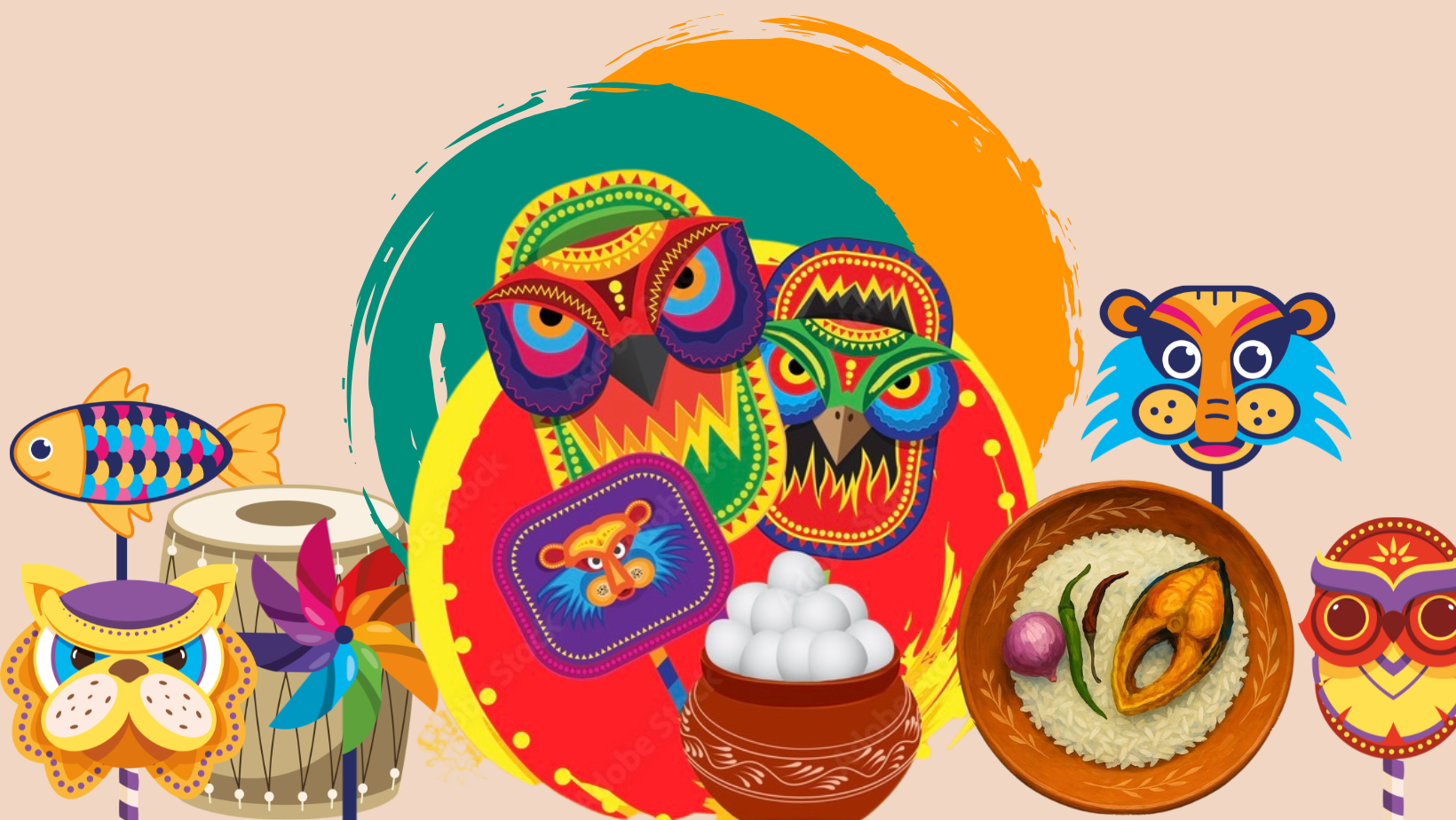
Other than this, masks and mural-like compositions draw on forms associated with folk performance, festive public art, and the visual exuberance of the Bengali New Year season, echoing the language of procession, fairground craft, painted surface, and ceremonial reinvention of Pahela Baishakh. Nafies treats these folk-derived imagery as active visual material.
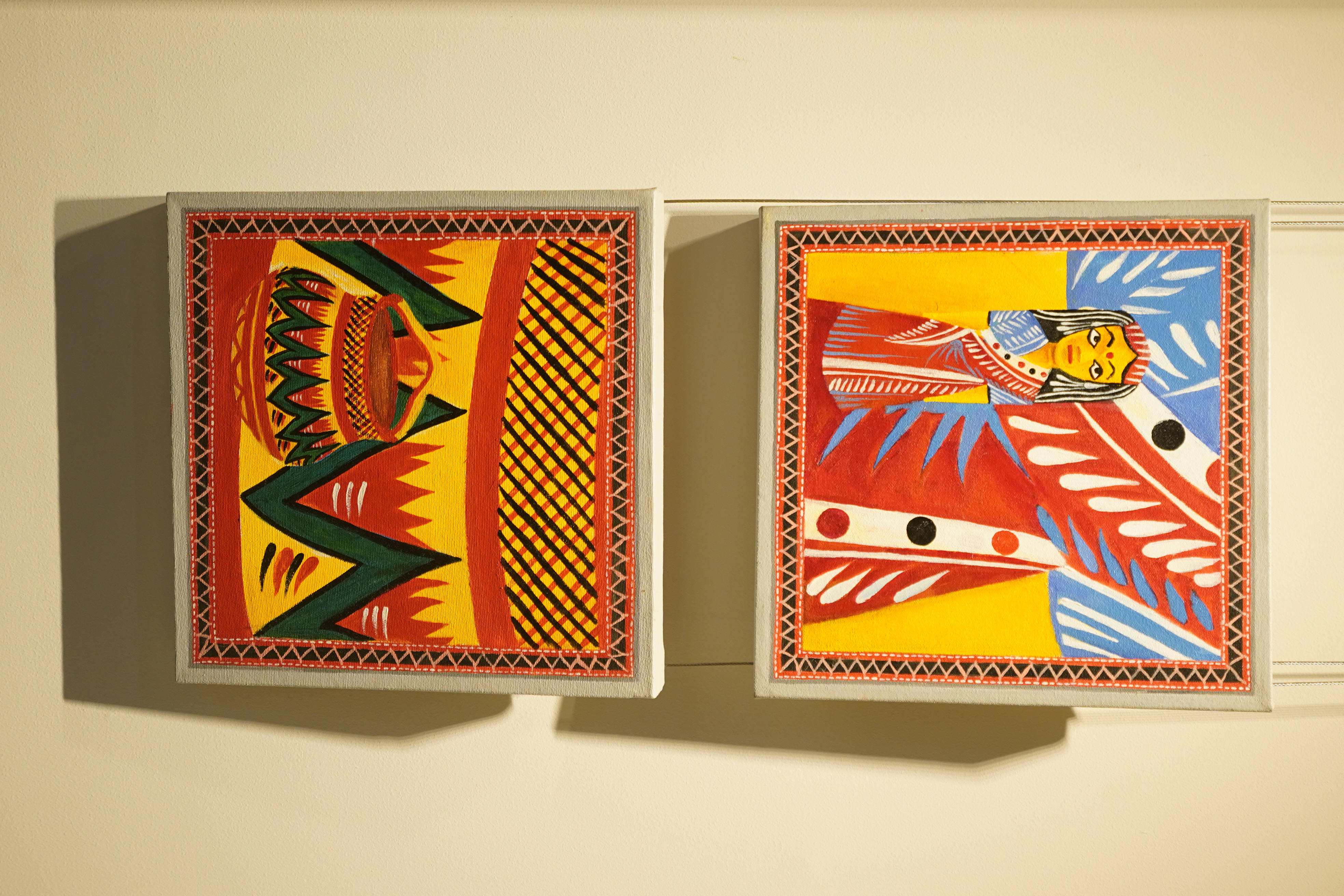
For Dhaka audiences, “Reinterpretation of Indigenous Art” offers a serious and accessible exhibition by an artist whose career has moved through teaching, institution-building, publishing, and painting. It makes tradition available to contemporary art when it is handled with knowledge, patience, and formal intelligence.
 For all latest news, follow The Daily Star's Google News channel.
Comments