


Printmaking alumni bring diverse visions to Dhaka exhibition

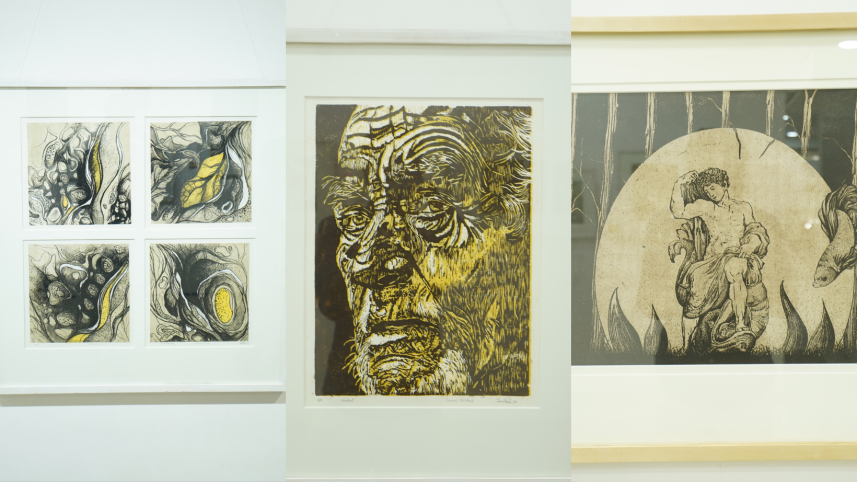
The Printmaking Discipline Alumni’s 2nd Print Exhibition, titled “Anindya Prakton”, opened at Safiuddin Shilpalay in Dhanmondi, bringing together a wide range of works that reflect the strength, experimentation, and diversity of contemporary printmaking in Bangladesh.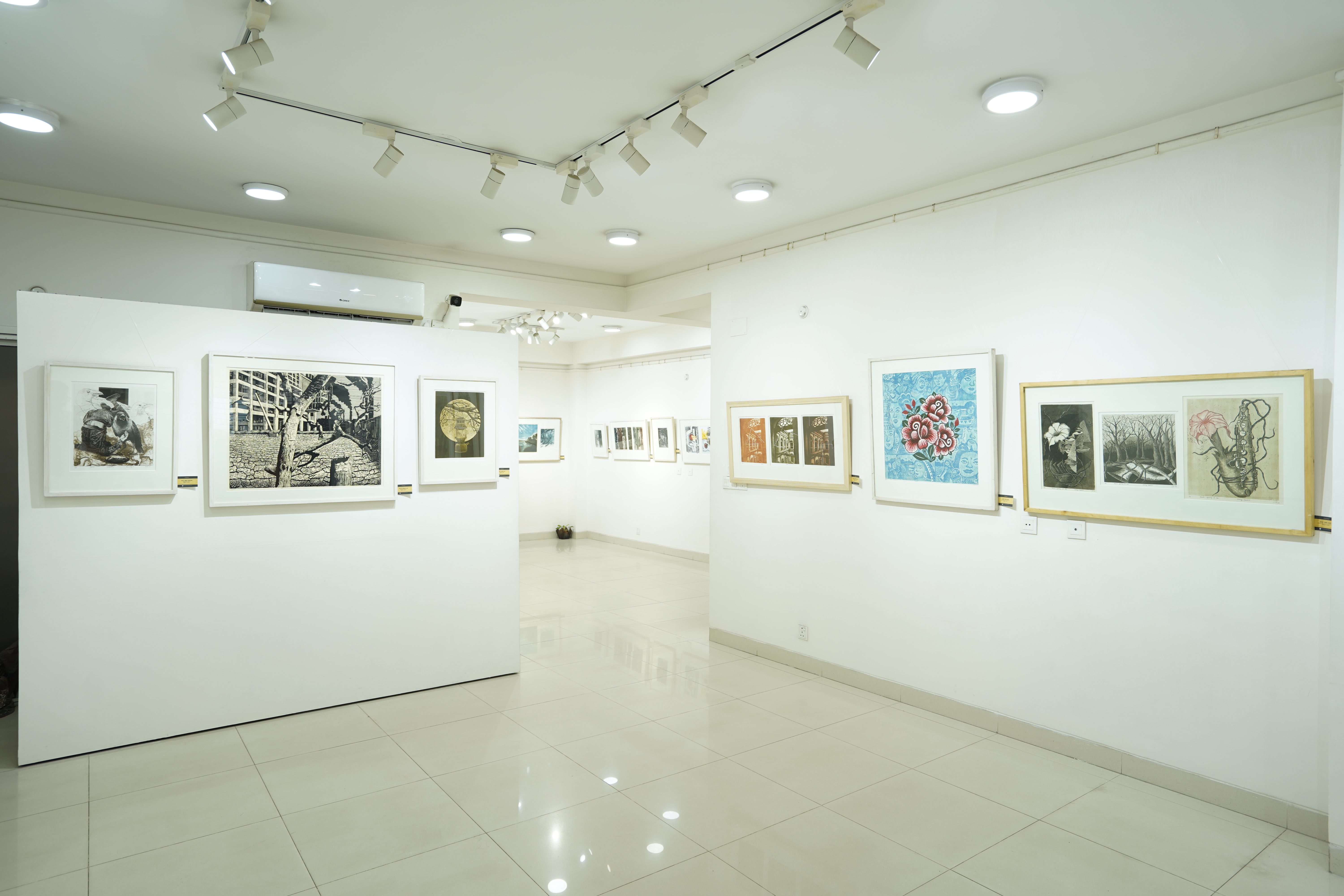
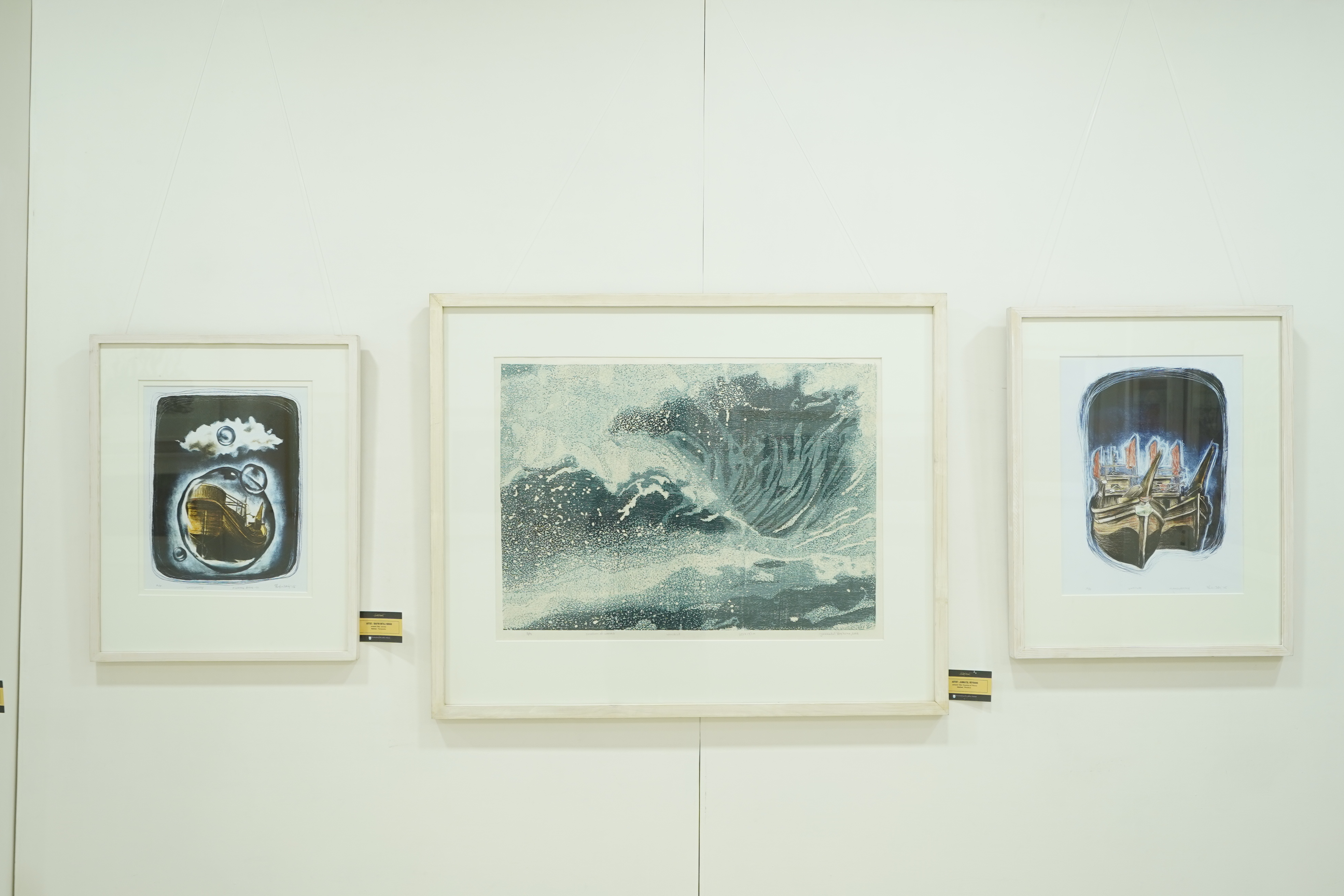
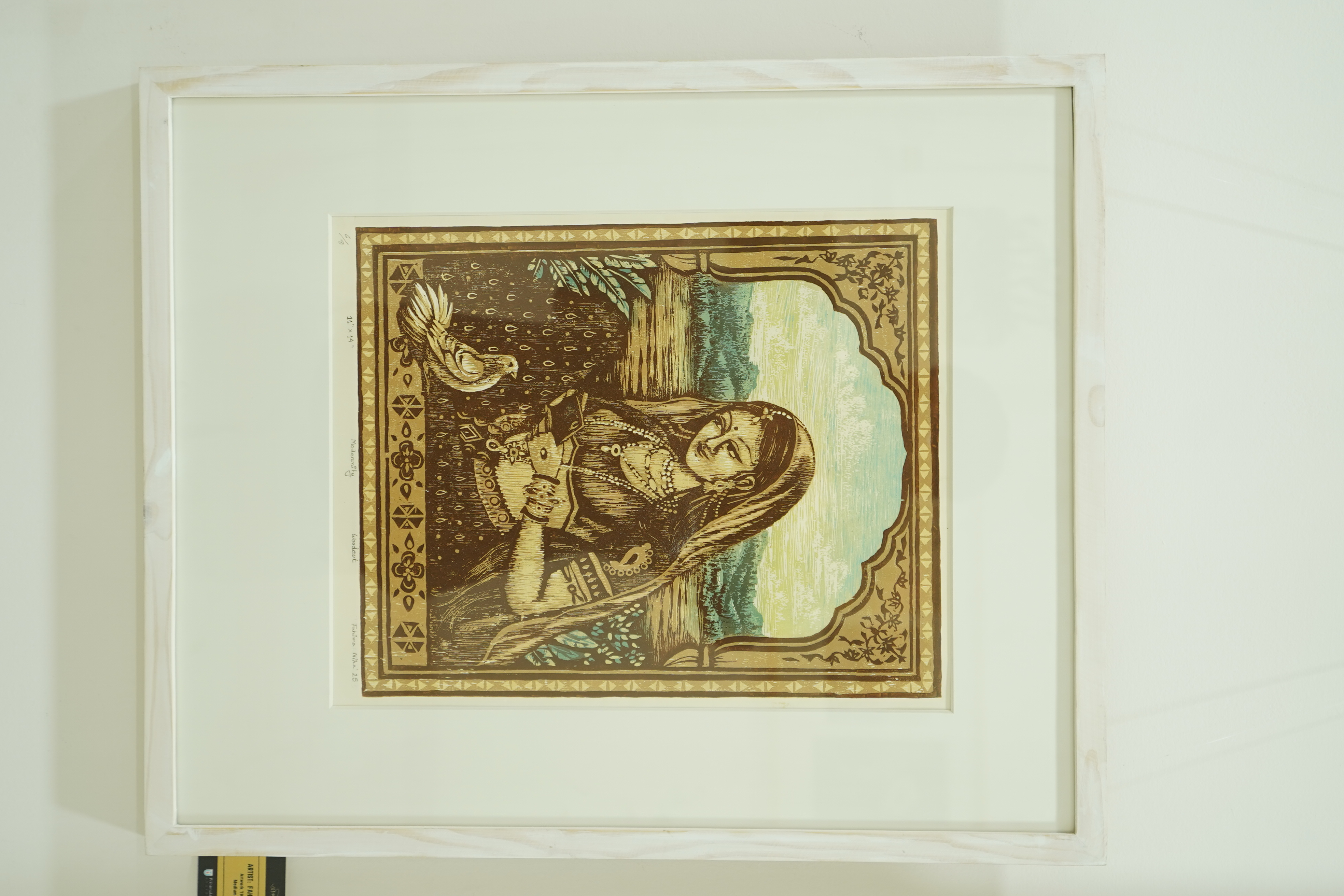
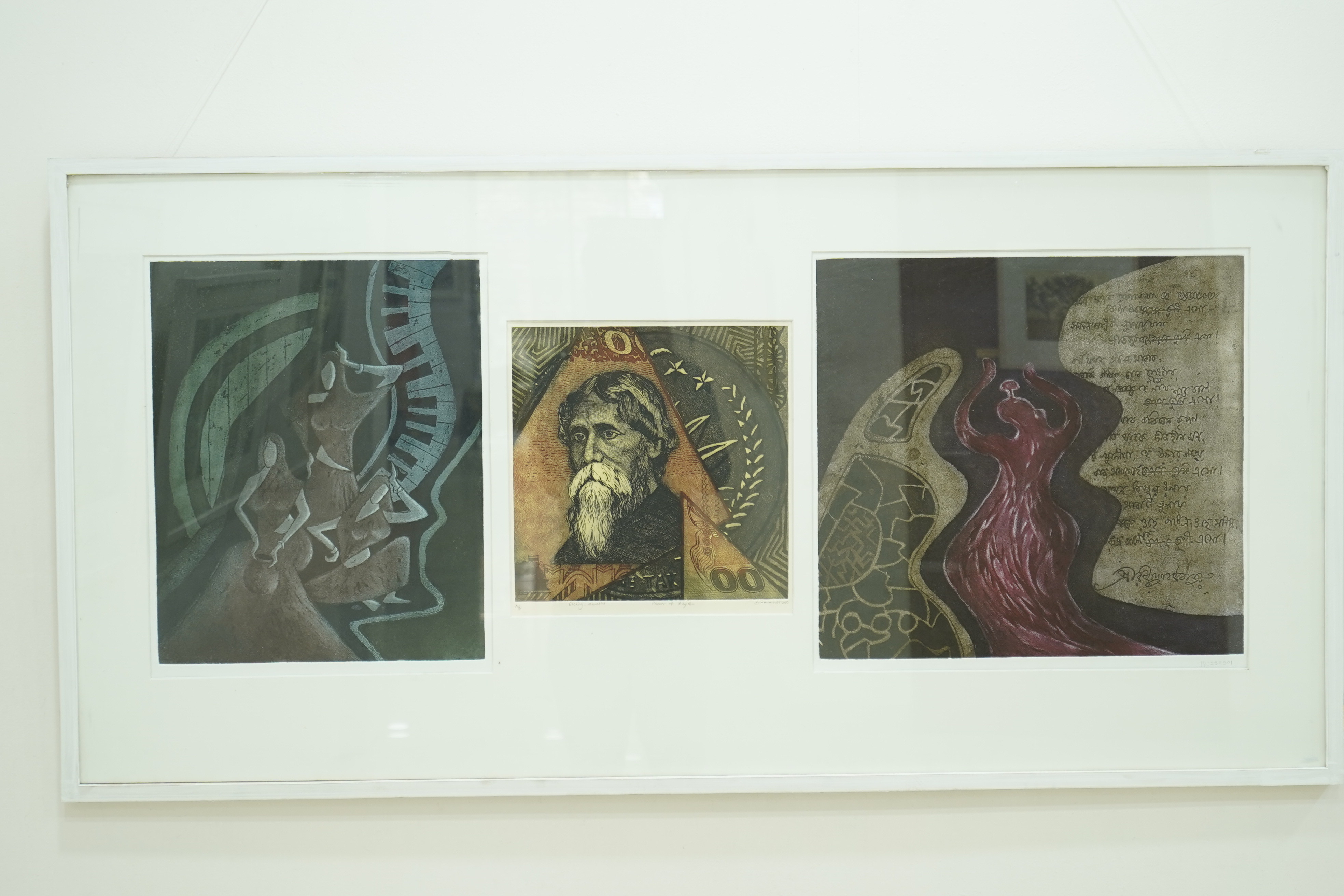
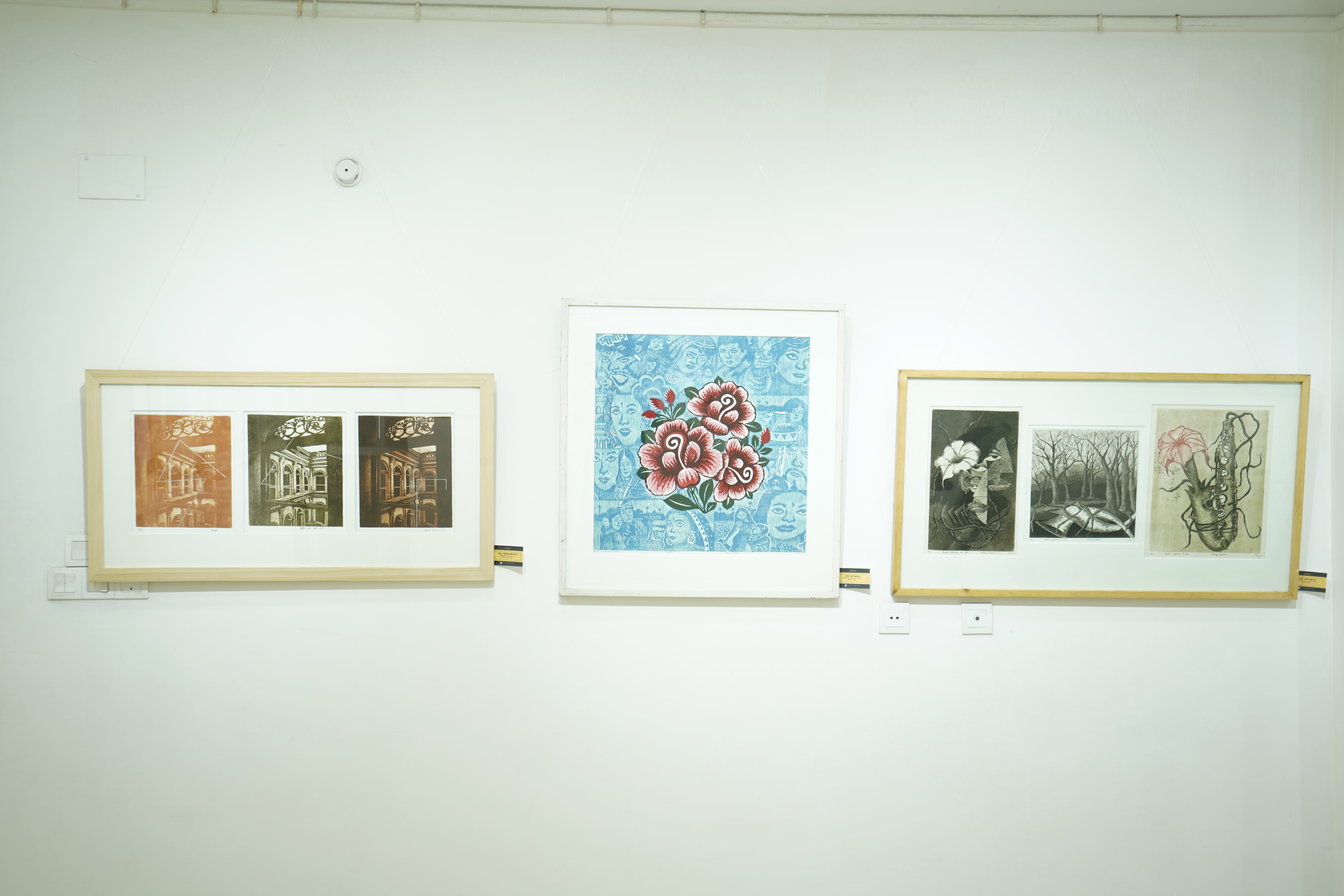
Held from April 17 to 20, 2026, the exhibition featured works by alumni artists of the discipline and presented a vivid cross-section of themes, forms, and visual languages. From architectural studies and nature-inspired compositions to portraiture, abstraction, and image-based practices, the show highlighted how printmaking continues to evolve through both technical precision and personal expression.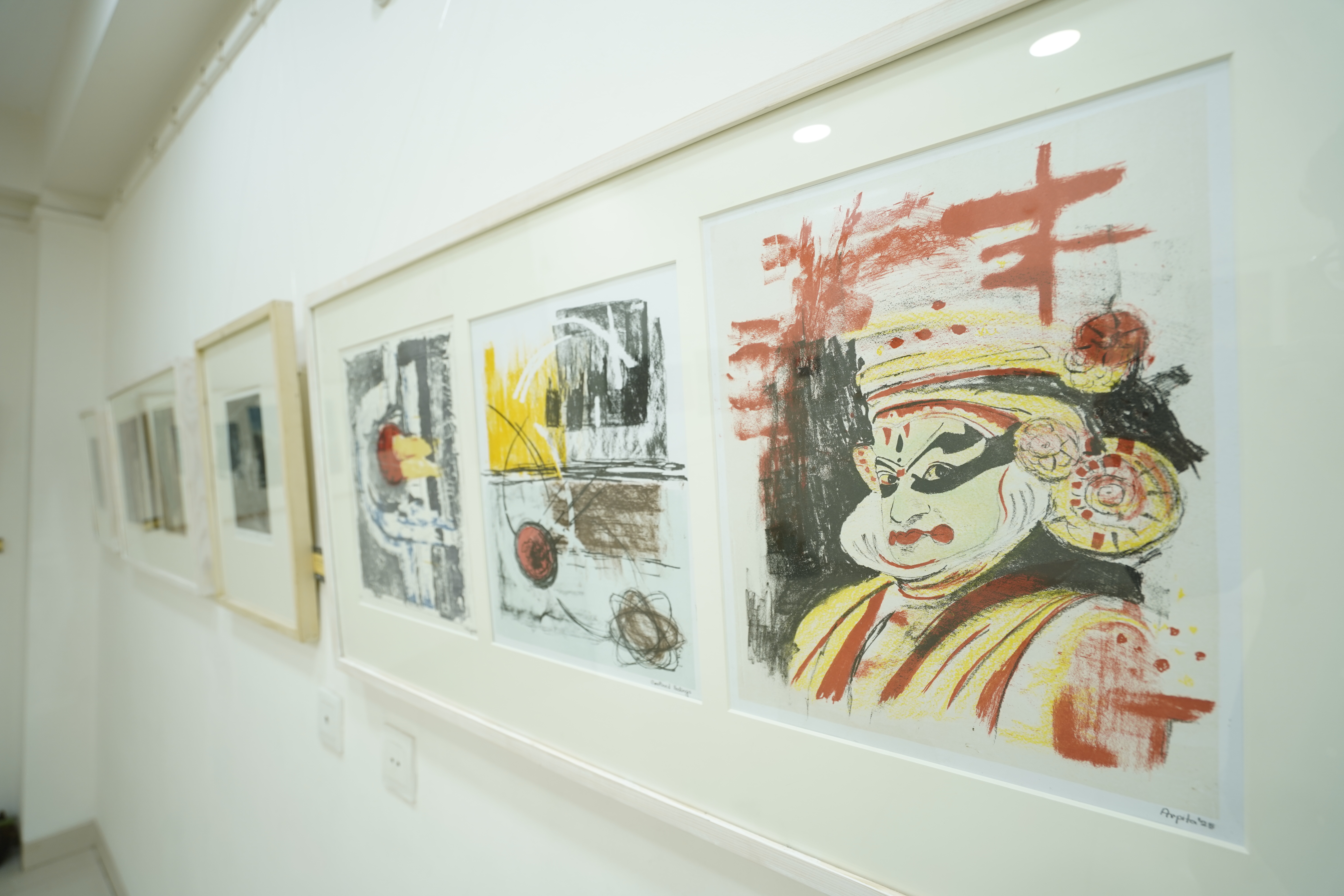 The displayed works reveal a rich variety in tone and subject. Some pieces lean towards intricate structural compositions, layering lines and geometry over landscapes and built forms. Others turn to floral motifs, human figures, symbolic imagery, and textured abstractions, showing the medium’s versatility in handling both intimate and expansive ideas. Several artworks also draw from Bengali cultural references, adding a sense of familiarity and local resonance to the exhibition.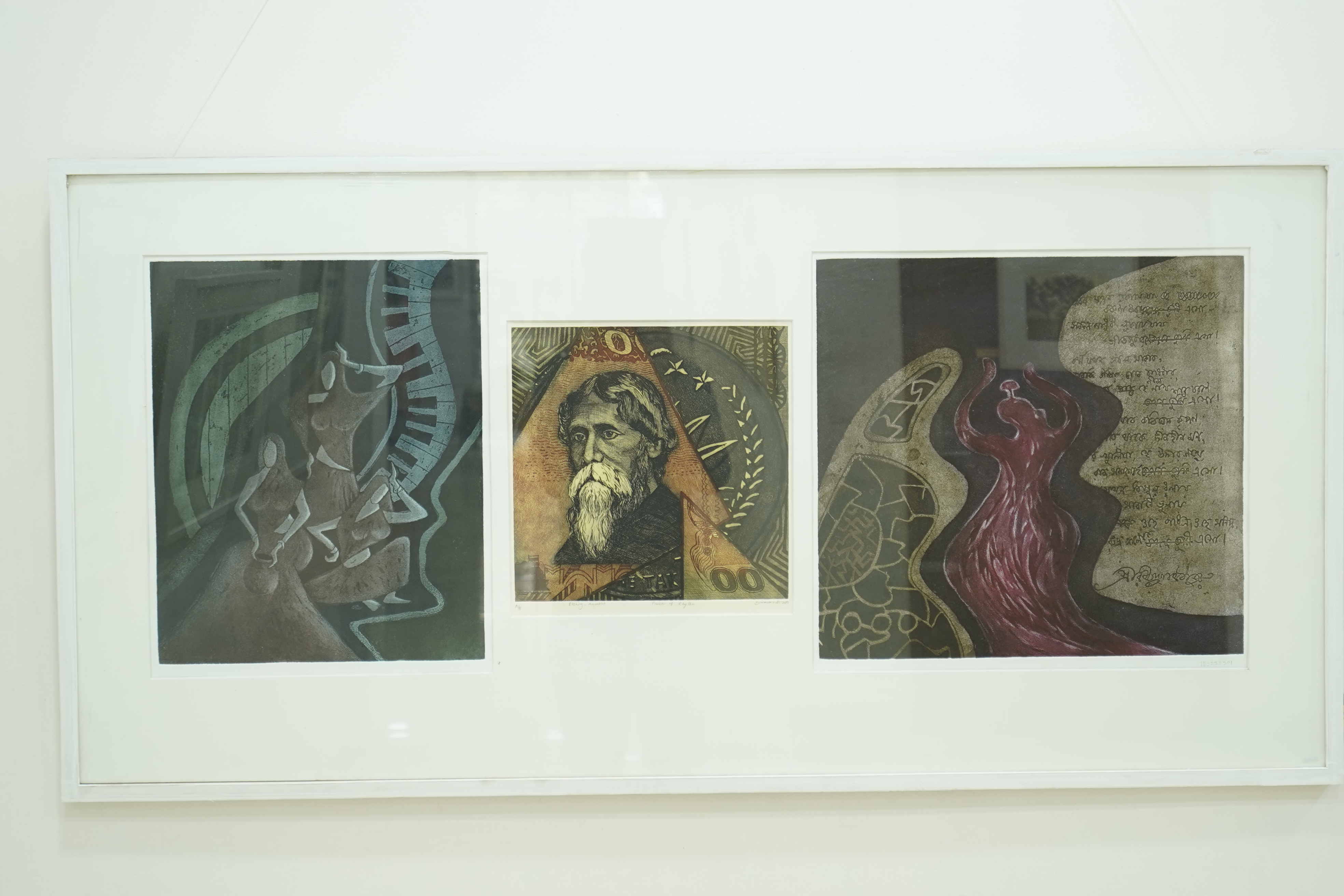
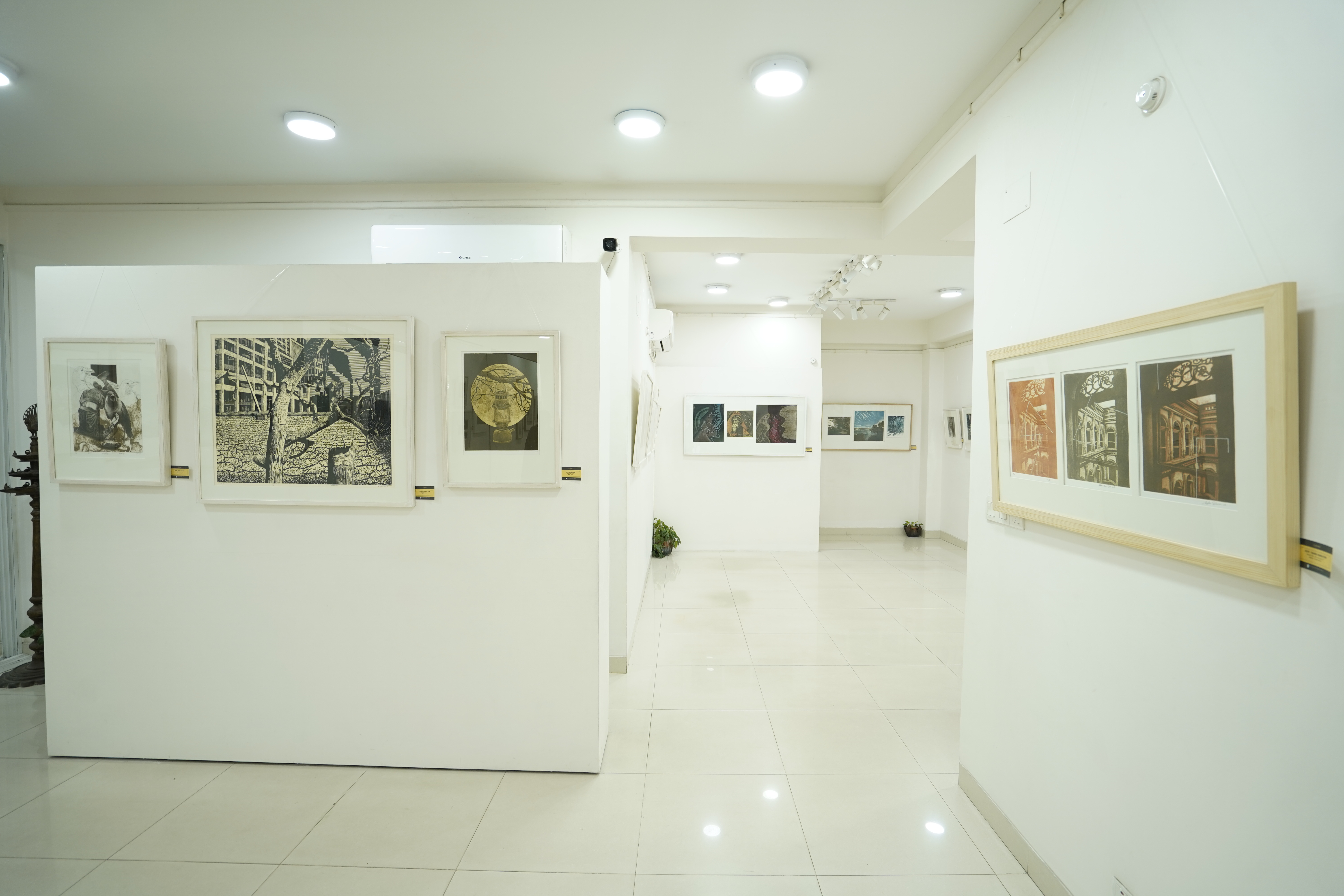
The exhibition space itself appears thoughtfully arranged, with framed works placed across clean white walls, allowing viewers to focus closely on the details, textures, and tonal contrasts that define print-based practices. Together, the displayed pieces create a visual dialogue between tradition and experimentation.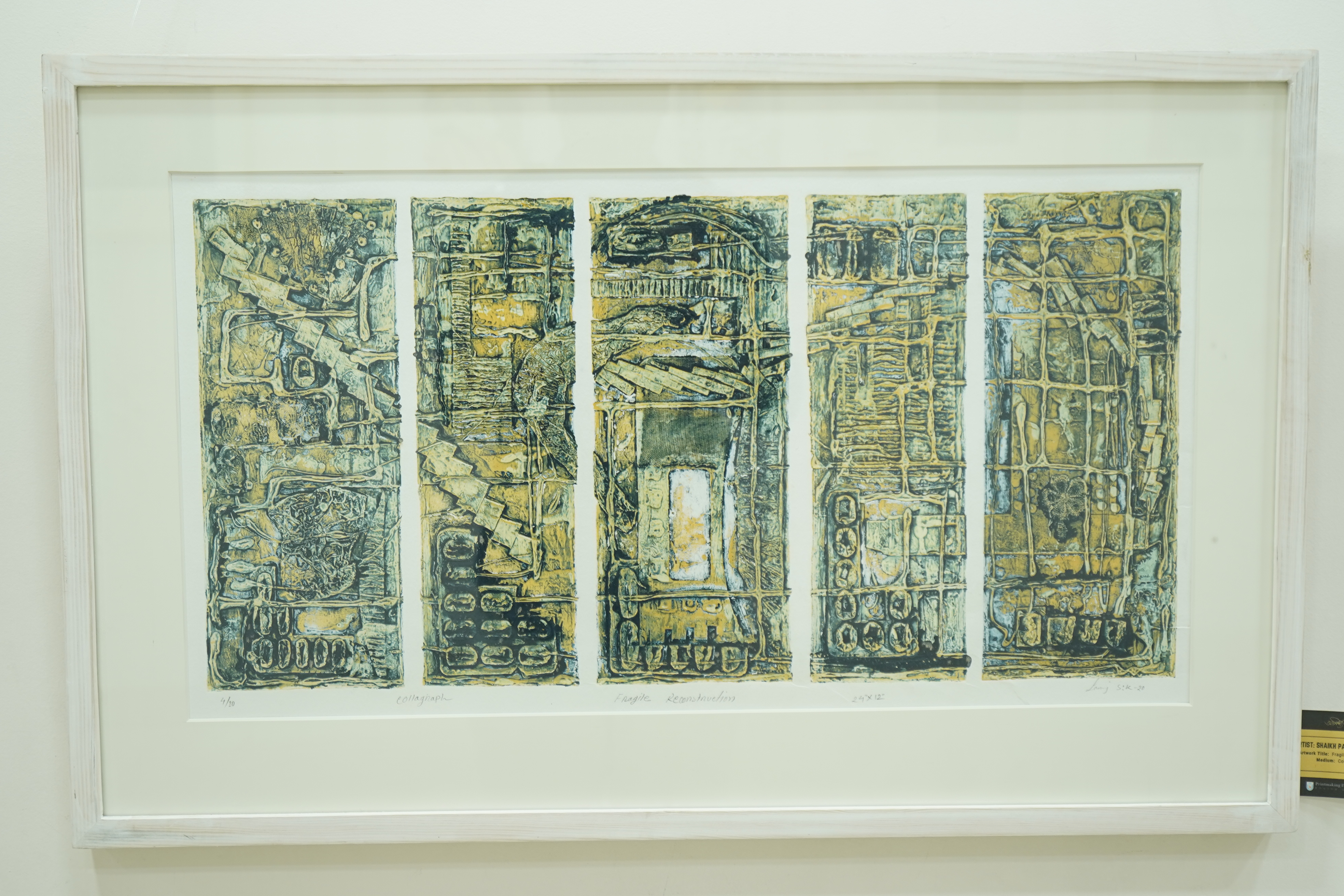
The inaugural ceremony was held on April 17 at 5 pm. Emeritus Prof Rafiqun Nabi attended as chief guest, while Prof Syed Abul Barq Alvi joined as special guest. The exhibition remained open daily from 11 am to 8 pm at Safiuddin Shilpalay, Dhanmondi, Dhaka.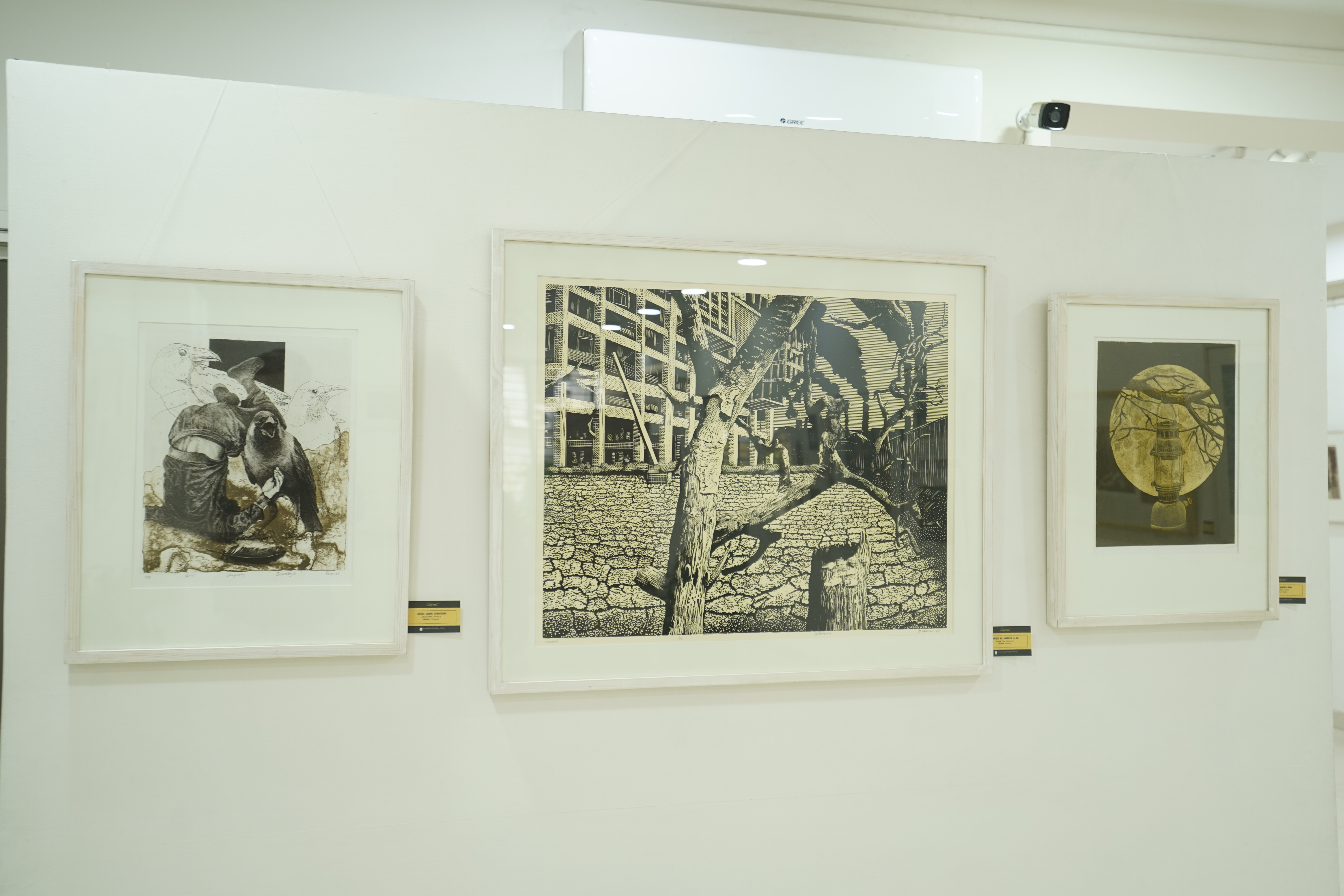
More than a showcase of finished artworks, “Anindya Prakton” stands as a collective statement by printmaking alumni — one that celebrates continuity, creative growth, and the enduring relevance of print as an art form. By bringing together multiple generations and styles under one roof, visitors got a chance to see how each alumnus has developed their own visual language while still reflecting a common foundation in art.

 For all latest news, follow The Daily Star's Google News channel.
Comments