


BotTala Theatre celebrates 100th performance of ‘Khona’
BotTala Theatre staged the 100th performance of its production “Khona” at Central Shaheed Minar on April 11, marking a rare milestone for a Bangladeshi stage play.
First premiered on March 8, 2010, at the same venue, the play revisits the story of Khona, the legendary astrologer and prophetic figure of ancient Bengal. The milestone highlights the enduring relevance of its themes, nearly 1,500 years after the events it draws upon.

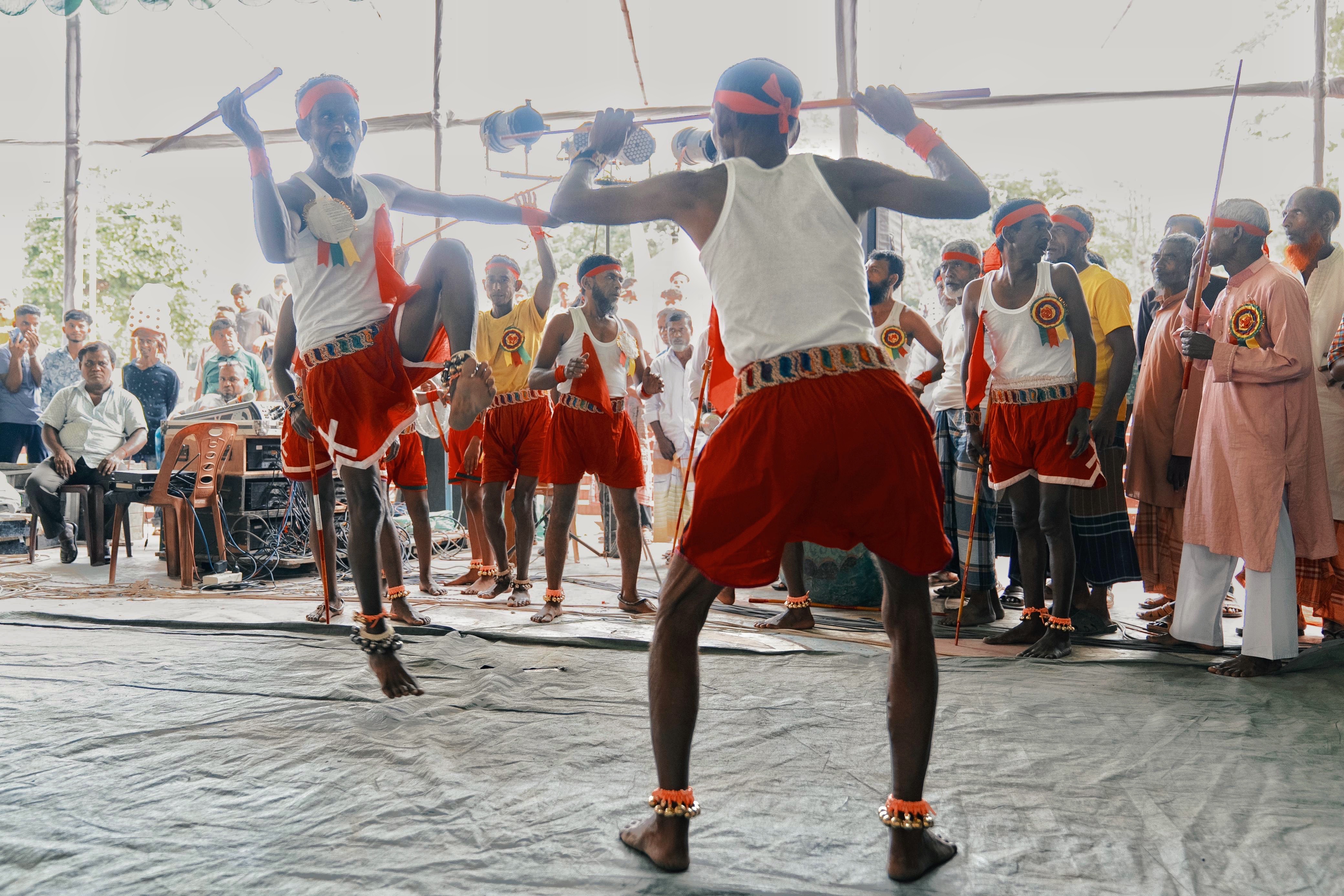
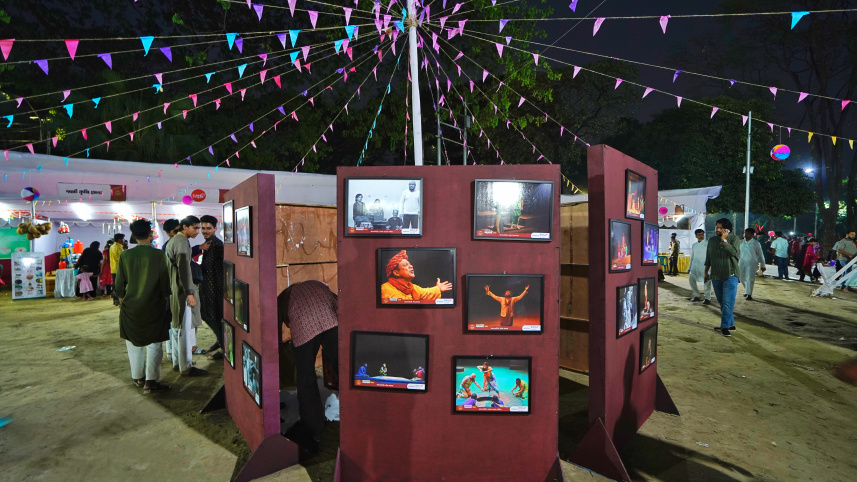
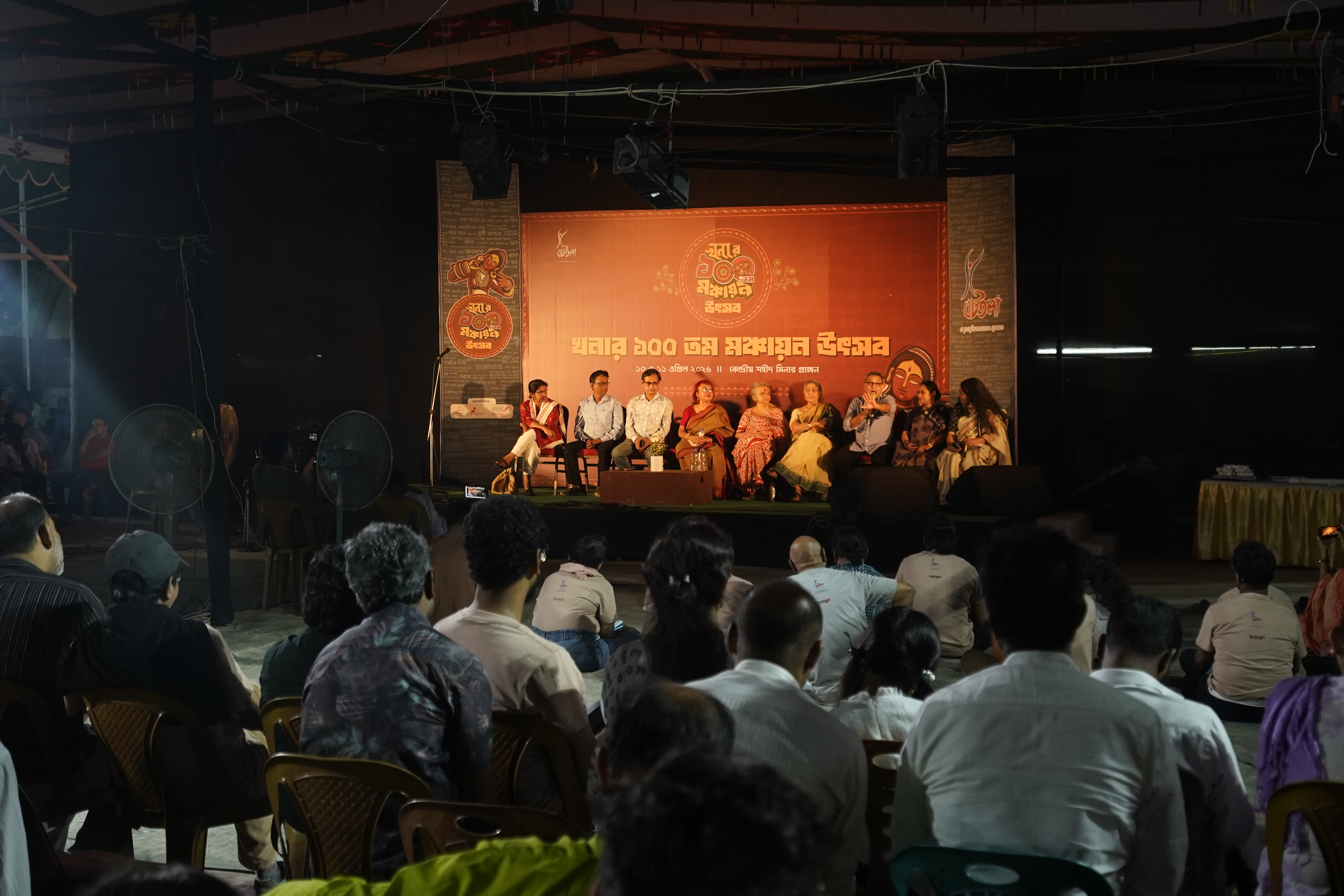
Alongside the performance, BotTala organised a two-day cultural festival, transforming the Central Shaheed Minar into a space where art, culture, and history converged. The festival featured folk performances, musical events, and a range of cultural exhibitions. A large fair was also set up, with stalls showcasing farming equipment, grains, and rural products, evoking the agrarian landscape central to Khona’s story and echoing her association with agricultural wisdom.
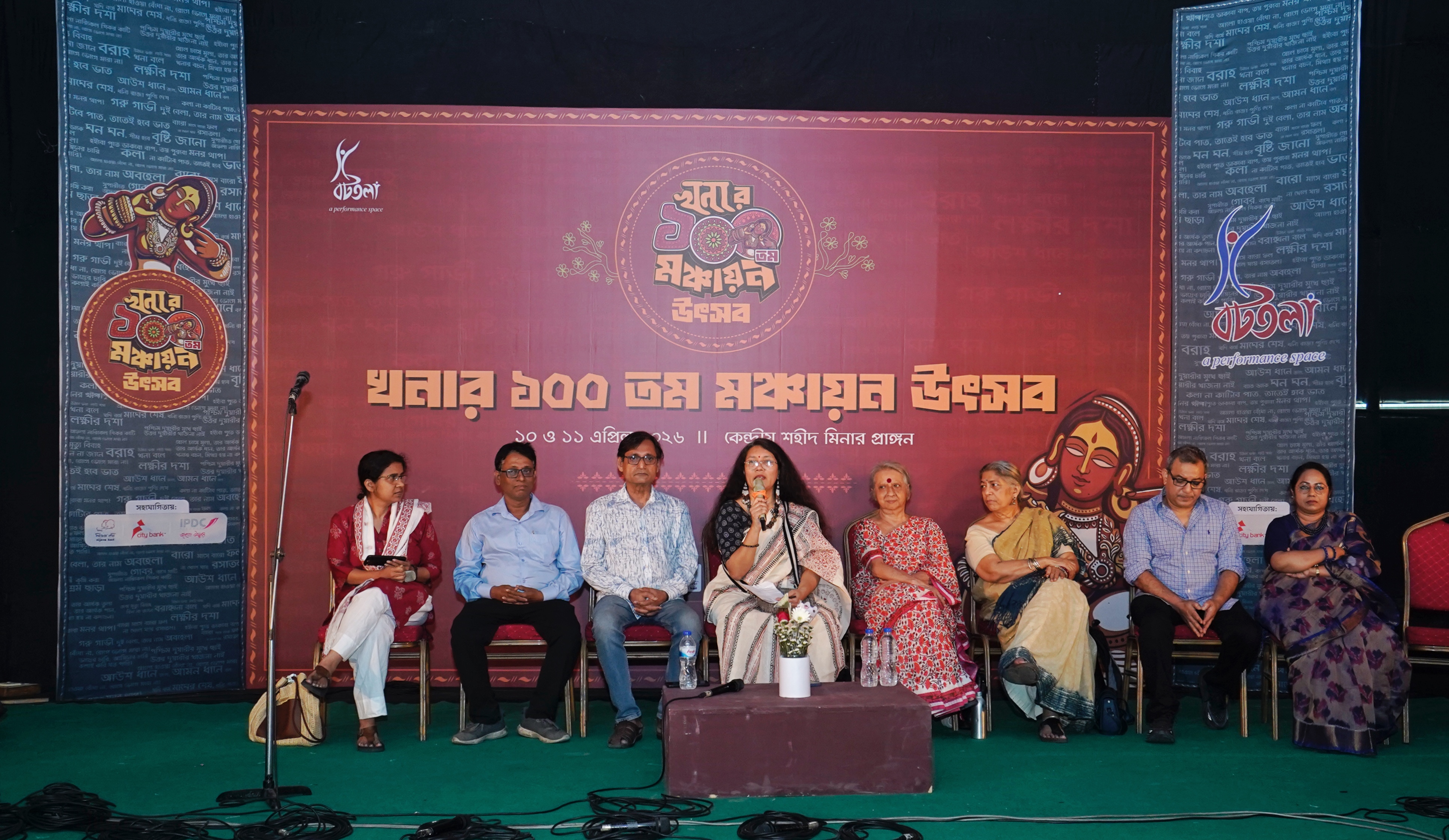
A panel discussion titled “Khonar Alap”, moderated by playwright Samina Lutfa, brought together rights activists, theatre professionals, and social advocates, including Shirin Haque, Khushi Kabir, and Faiz Zahir. The discussion engaged deeply with themes of patriarchy, gender oppression, and the silencing of women — issues that lie at the core of the play.
Written by Samina Lutfa and directed by Mohammad Ali Haider, “Khona” explores the story of Lilaboti, believed in some versions of the myth to be Khona’s real name. Known for her exceptional knowledge in astrology and agriculture, Khona’s life, according to legend, ends tragically when her father-in-law, the famed astrologer Boroha, orders the severing of her tongue after she defeats him in a royal court debate. The narrative draws from a complex interplay of male chauvinism, familial jealousy, and class dynamics, with Khona’s wisdom standing in direct opposition to patriarchal structures that sought to silence her.
The play’s themes of resistance and suppression remain deeply resonant in contemporary society. Through its reinterpretation of Khona, BotTala’s production foregrounds the continued marginalisation of women’s voices and the intersections of class and gender-based oppression.
Reflecting on the relevance of the story, Samina Lutfa said, “Even today, when women speak, we still see tendencies to suppress their voices in various ways. There is a clear connection between this tendency and the events of that time. Despite everything that happened, Khona did not retreat. From that very place, women draw strength from Khona and find the courage to continue their fight.”
The 100th performance also highlights the commitment of the cast, many of whom have portrayed the same roles across all performances. Among them are Samina Lutfa, who plays Lilaboti (Khona), and Mahbub Hasan Lemon, who plays Mihir, her husband.
The success of “Khona” extends beyond the stage. The production has been showcased at numerous national and international festivals, earning recognition for its powerful storytelling and relevance to global conversations on gender inequality. Actor and theatre practitioner Tauquir Ahmed described reaching 100 performances as a rare achievement, particularly in a context where theatre spaces remain limited and staging opportunities are often constrained.
“The suppression of women persists across the globe, where women are often seen merely as extensions of men, their identity defined in opposition to male dominance,” said a panel speaker. “Women who speak out against the injustices of their time have always been silenced, but their voices continue to echo in stories like these.”
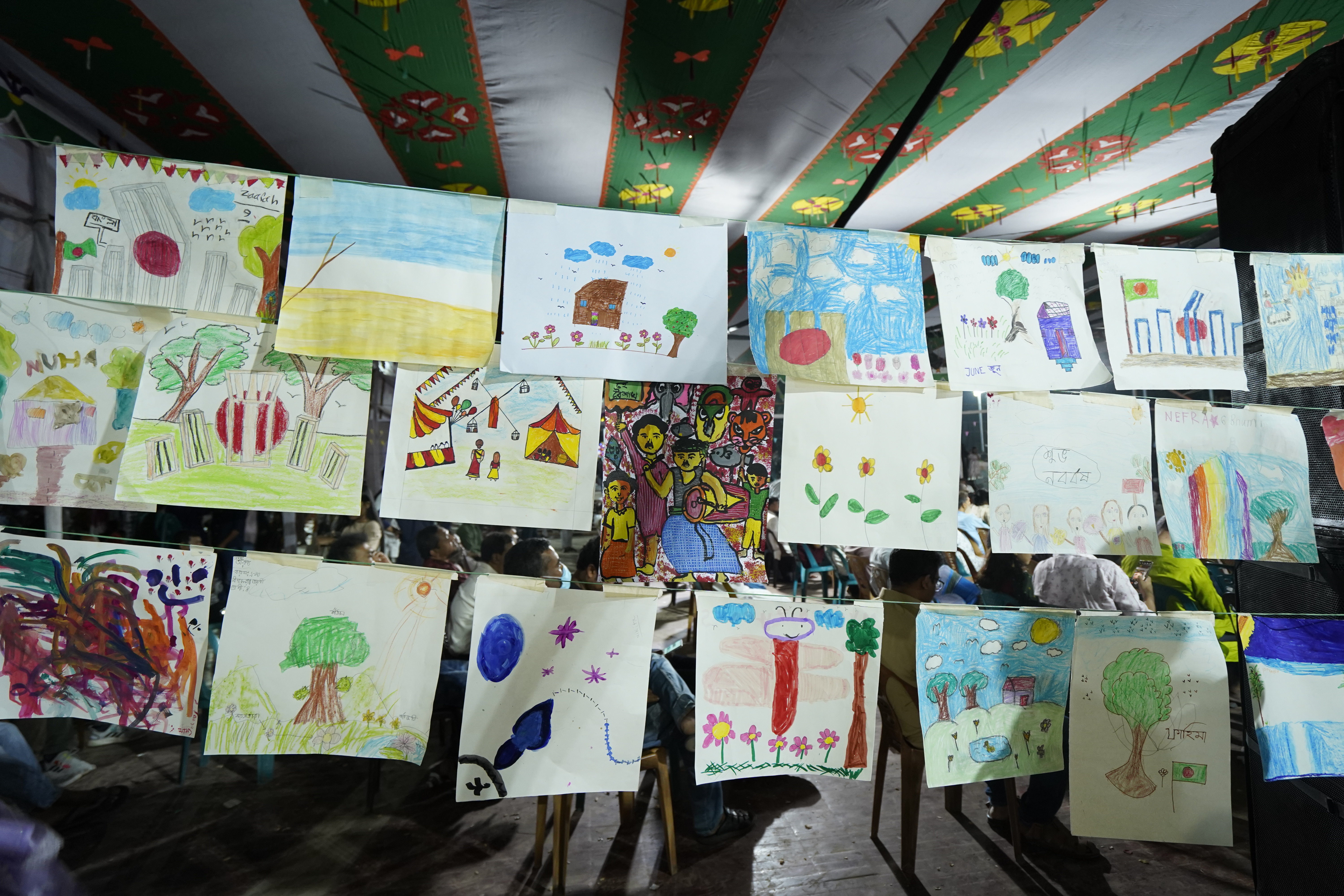
The two-day event also featured a classical music performance with sarod and bhela by Manzur Alam, Akif Alam Wazir, Bijoy Sarker, Priya Abarker, and Surin Nibesh Sangat Ekta. The programme included a children’s dance performance, an art exhibition by Mothu Koli and Chitrakoli, folk music sessions featuring Farzana Wahid Shayan, as well as classical drama and poetry readings by Kamarul and Shantala Murti.
 For all latest news, follow The Daily Star's Google News channel.
Comments