


Once lifted from the streets by her music, must Kangalini Sufia return there to survive?

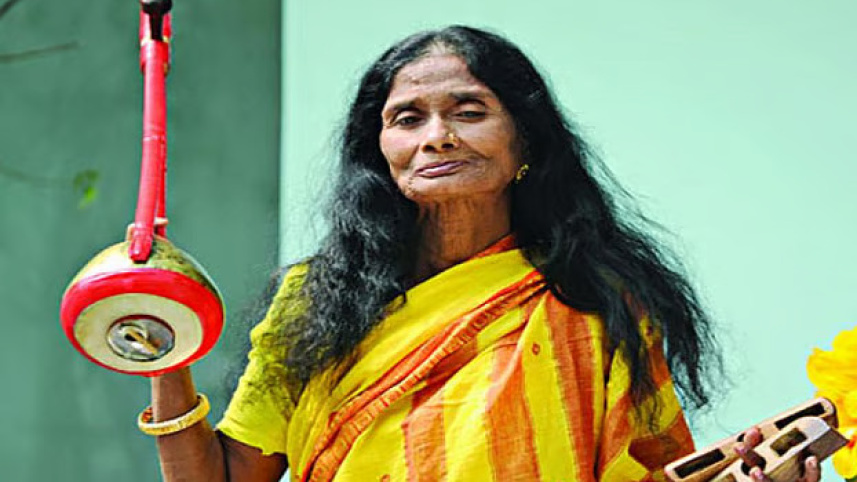
There was a time when she sang on the streets for a living. Whatever she earned from passersby was just enough to keep hunger at bay. But fate took a dramatic turn in January 1981, when a chance encounter with the late poet and former Bangladesh Betar director Fazle-e-Khoda transformed her life, introducing her raw talent to the nation.
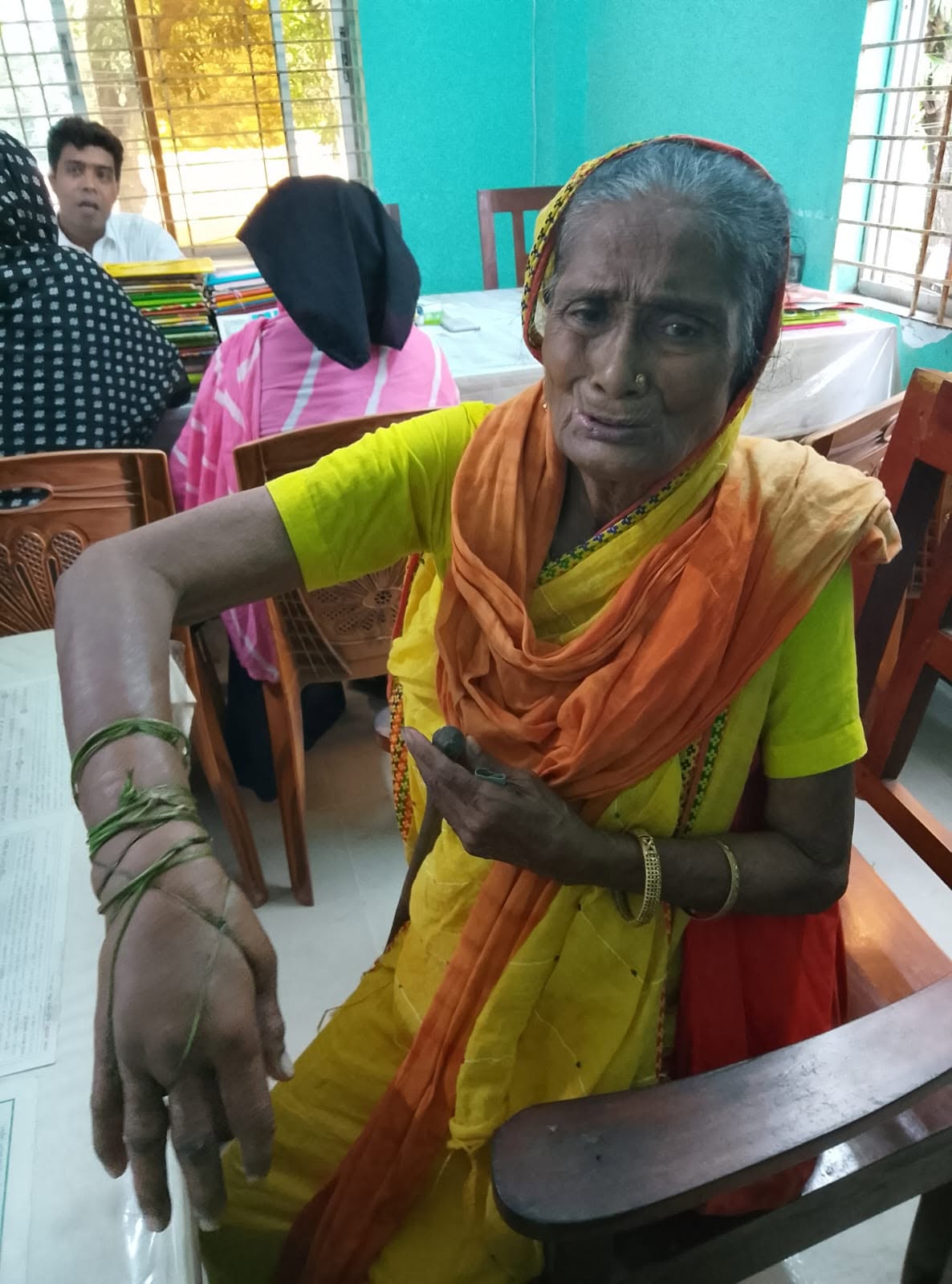
Today, more than four decades later, celebrated folk singer Kangalini Sufia—once one of the country's most recognizable voices—finds herself battling severe illness, poverty, and profound uncertainty. Unable to perform after breaking her arm in a fall, the 65-year-old artiste is struggling to afford even her daily medicines. Her plight raises an unsettling question: must the woman who rose from the streets return there in search of survival?

Recalling the defining moment of her life, Sufia shared that she was singing near the High Court Mazar in Dhaka when Fazle-e-Khoda overheard her. Struck by her extraordinary vocal range, he invited her to Bangladesh Betar.
"I was a street singer then," Sufia recalled. "My life changed because of poet Fazle-e-Khoda. He introduced me to educated audiences, and people across the country came to know me."
Later, Mustafa Monwar, the former Director General of the Bangladesh Shilpakala Academy, bestowed upon her the title "Kangalini" (the destitute one)—a moniker that would ironically become synonymous with Bangladeshi folk royalty.
From that point onward, Sufia never looked back. Masterpieces like Buri Hoilam Tor Karone, O Ki Moynare, Bondhu China Day, and Amar Matir Gache Lau Dhoirache earned her immense popularity nationwide.
Key milestones and contributions
• Early life: Born Tuni Halder in 1961 in Ramdia village, Rajbari, she began singing at village gatherings at age 14.
• Musical legacy: Over her decades-long career, she authored and composed more than 500 songs, lent her voice to playback film tracks, and acted in television dramas.
• Global representation: She represented Bangladesh at prestigious international cultural events in the United States, the United Kingdom, South Korea, Thailand, China, and India.
• Accolades: She has received approximately 30 national and 10 international awards for her contributions to folk music.
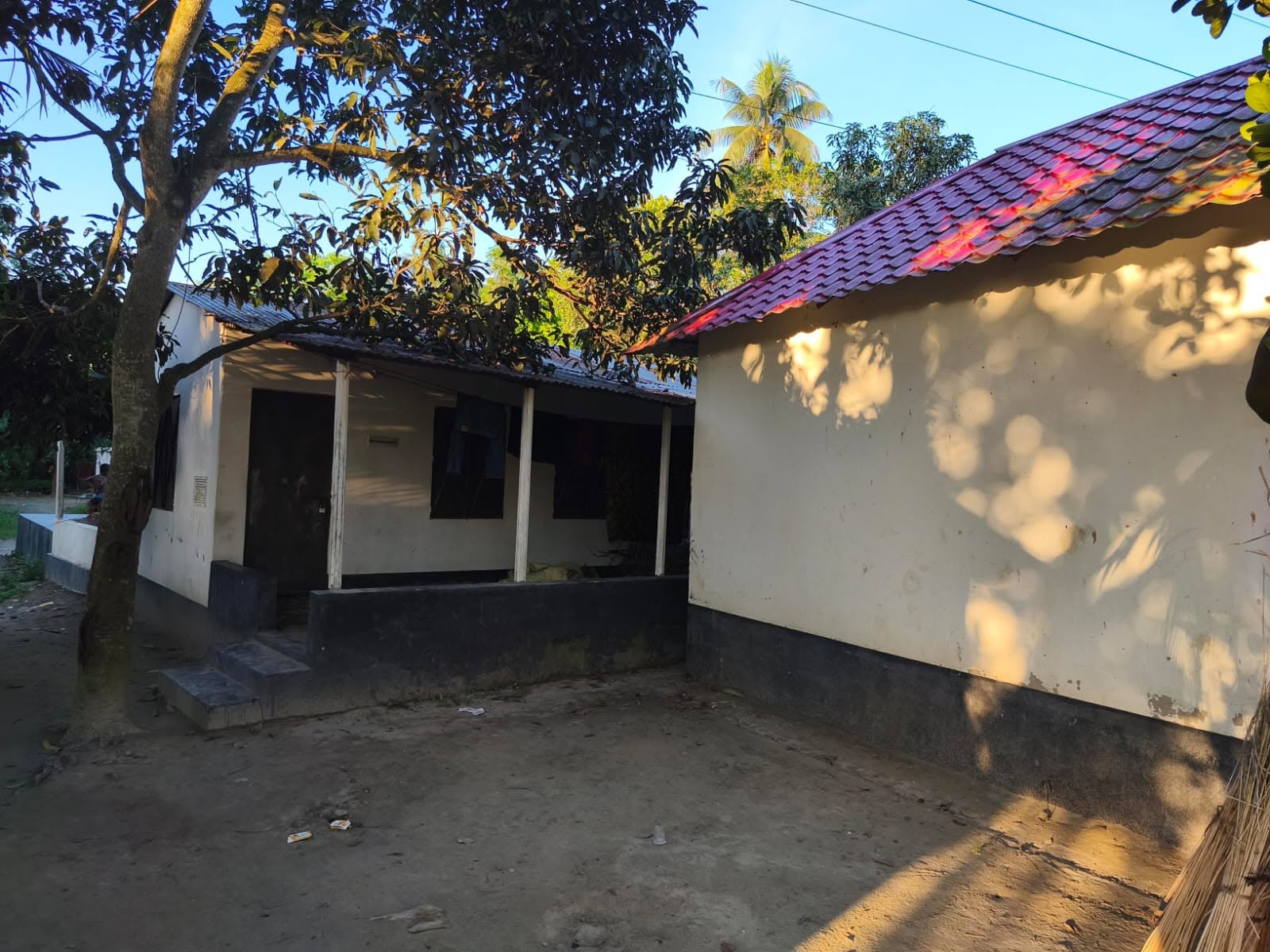
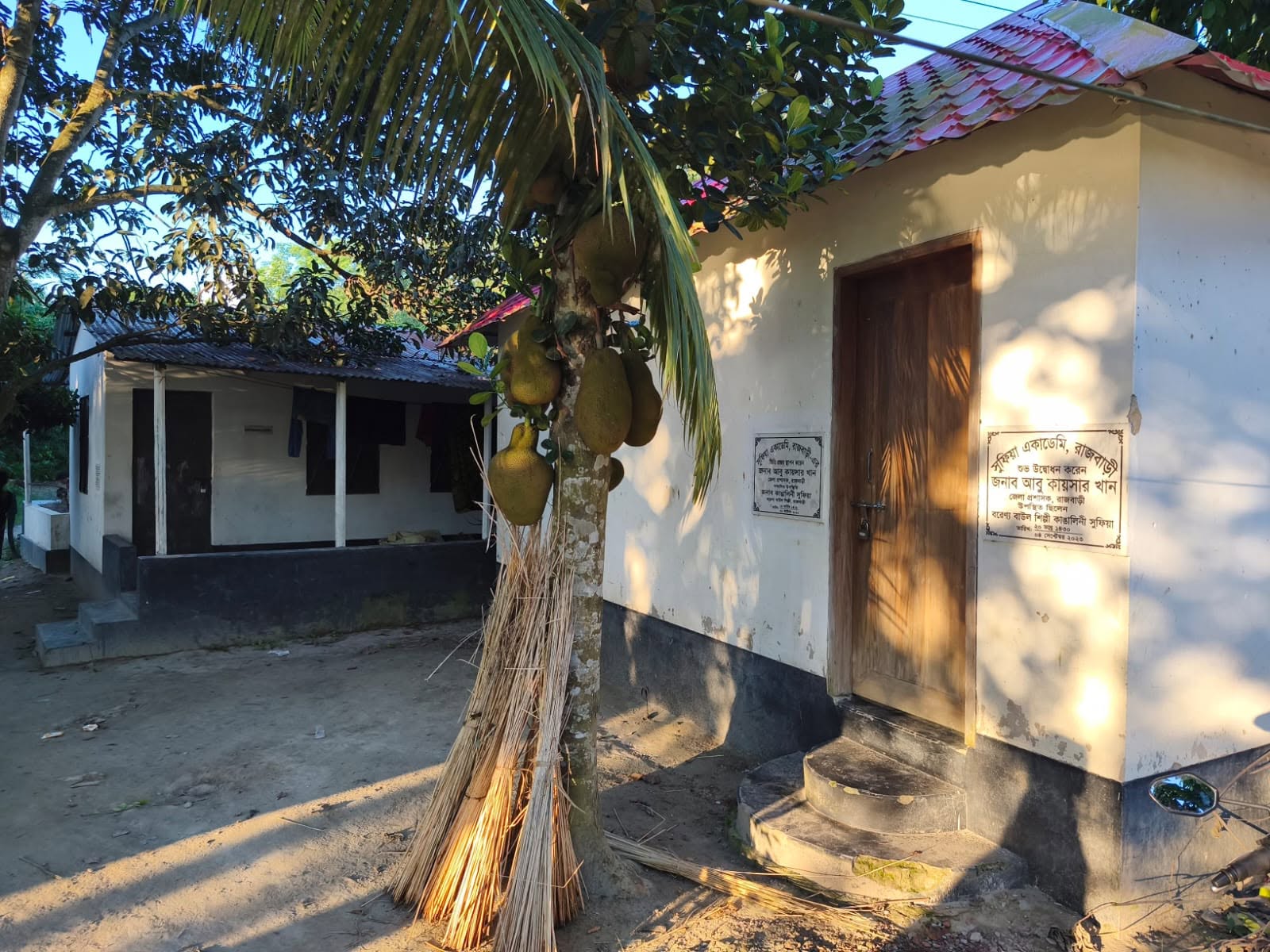
Recognising her contributions, the government previously built a house and established the Sufia Academy on 20 decimals of land at Kalyanpur Bilpara village in Rajbari Sadar upazila, where she currently resides. However, health complications and financial distress have overshadowed her golden years.
On June 2, Sufia suffered a fall in her bathroom, fracturing her arm. Since the injury, she has been entirely unable to perform, abruptly cutting off her primary source of income. Family members revealed that extreme financial hardship initially prevented her from receiving proper medical attention, forcing them to rely on traditional healers before they could eventually afford to seek proper medical care in Dhaka.
While Sufia struggles, her impact on her community remains visible. Local residents note that the establishment of her residence and academy brought electricity and paved roads to the village years ago. Yet, the woman whose legacy modernised the area now frequently goes hungry.
"Kangalini Sufia calls me aunt, and I respect her like my own mother," said her neighbor, Bibi Hawa. "Because of financial hardship, she often comes to our house asking for food. It is heartbreaking to see someone of her stature living like this."
Local grocer Murad Bepari echoed this sentiment, emphasising the community's debt to her. "Electricity came, roads were built, and people from home and abroad visit this place because of her. But it is painful to witness her present condition. Five family members depend on her income, yet she can no longer sing due to her health."
Another neighbor, Mohammad Ibrahim, remarked that Sufia's title has tragically become a self-fulfilling prophecy. "She traveled the world, won many awards, and made the country proud. Yet in the final chapter of her life, she is trapped in severe financial hardship."
Speaking over the phone, Sufia’s daughter, Pushpa, explained that her mother can no longer perform due to multiple overlapping health complications.
"Doctors have advised her to avoid stress," Pushpa said. "Her medicines alone cost Tk 14,000 to Tk 15,000 every month. But she no longer earns as she once did, so we are passing through an extremely difficult time."
Pushpa further noted that state institutional support has severely dwindled. Under the previous government, Sufia received an annual artiste allowance of around Tk 40,000 to Tk 45,000. That stipend has recently been reduced to just Tk 12,000 a year. While she receives an additional Tk 10,000 per month from a private television channel, it is insufficient to cover both her medical bills and household expenses.
"With this limited support, how can a family survive?" Pushpa asked.
A call for collective responsibility
Cultural leaders are urging immediate intervention to protect the legendary singer. Azaz Ahmed, General Secretary of the Rajbari Udichi Shilpigoshthi, described Sufia as an irreplaceable national treasure.
 For all latest news, follow The Daily Star's Google News channel.
"She rose from the streets to become one of the country's finest folk artistes," Ahmed said. "She represented Bangladesh abroad and earned countless honors. It is unacceptable that such a distinguished artiste should spend her final years in financial distress. It is our collective responsibility to ensure she lives the rest of her life with the dignity she deserves."
Comments