


Nasir Ali Mamun’s stellar portrait exhibition closes at Bangla Academy

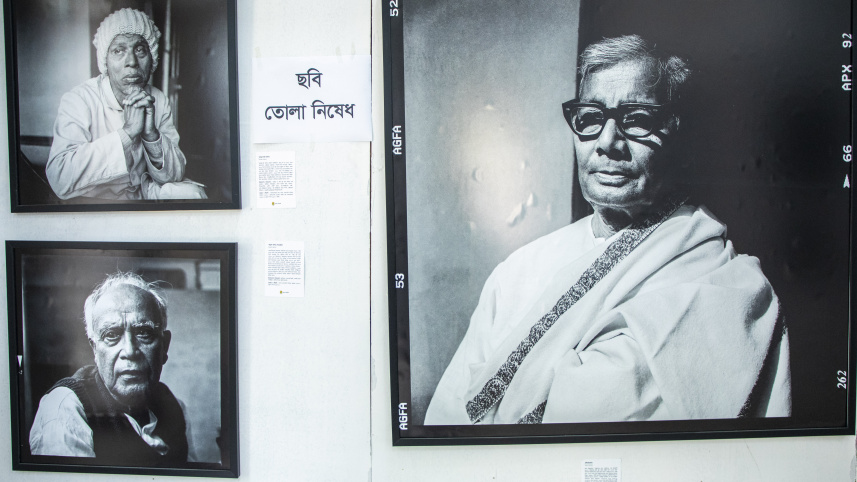
A solo photography exhibition by esteemed Bangladeshi portrait photographer and author Nasir Ali Mamun, titled ‘Smriti-Bismritir Mukhochhobi’, ended on April 30 at Bangla Academy.
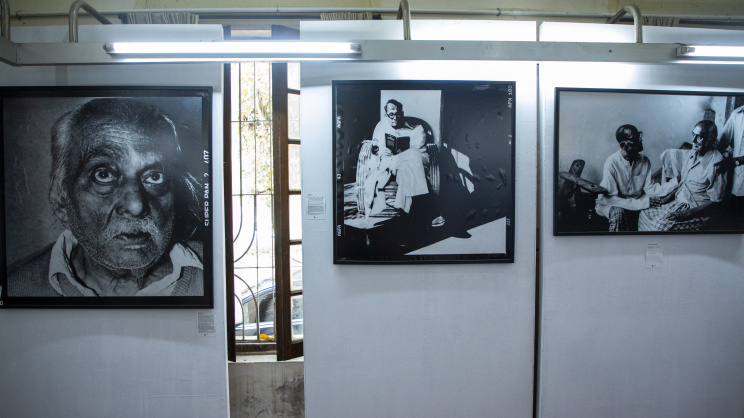
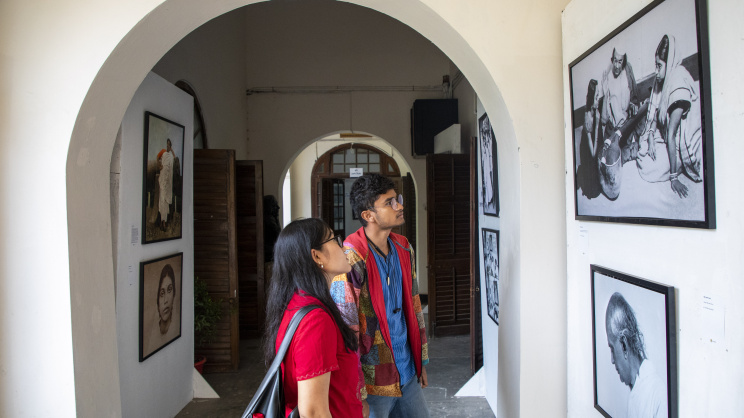
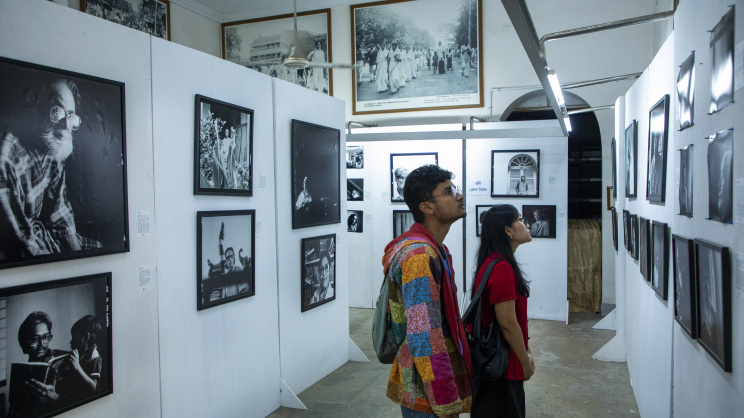
The exhibition, which opened on April 14 at the Nazrul Stage and continued at Bardhaman House, featured more than a hundred portraits of prominent Bangladeshi poets, writers, essayists, and intellectuals. It also included rare photographs of National Poet Kazi Nazrul Islam.
Bangla Academy President Abul Kashem Fazlul Haq said Mamun’s work has long been recognised among the country’s educated community, as well as among Bengalis living abroad. He noted that the photographer has built a significant visual archive by documenting major literary figures over the decades.
Director General Mohammad Azam said Mamun’s portraits have remained widely known for years, adding that he continues to contribute actively to photography in Bangladesh.

Speaking at the exhibition, Mamun traced his interest in photography back to childhood. “When I was nine or ten, I would look at newspaper photographs of writers and world leaders and wonder how a camera could capture a person like that,” he said.
He said he began with borrowed cameras from a local studio and gradually developed his skills. “I would get a camera for an hour and return it earlier. That’s how trust was built,” he said.
Mamun said his approach to photography changed after the 1971 Liberation War. “People can disappear at any moment, without reason. That is when I realised photography must hold them,” he said, explaining his decision to focus on portrait photography.
He added that he moved away from studio-based practices early on. “The person I knew did not match the studio photograph. I wanted to create the full human presence,” he said.
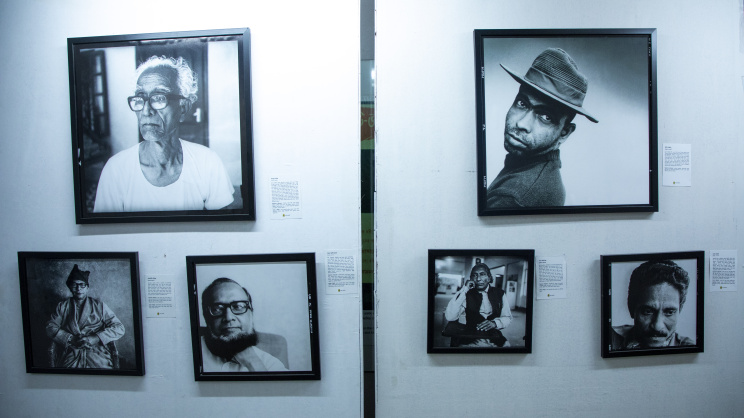
Most of his work, he noted, is done in natural light and in familiar environments. “I usually work inside people’s homes, using a window or a door as the source of light. I don’t rely on studio lighting,” he said. He also emphasised the role of shadow in his compositions, saying both light and shadow are essential in shaping an image.
On his process, the eminent photographer said he spends time with his subjects before taking photographs. “I talk to them, observe them, and understand their personality. You cannot capture everything—an image is always partial. You choose what to reveal,” he said.
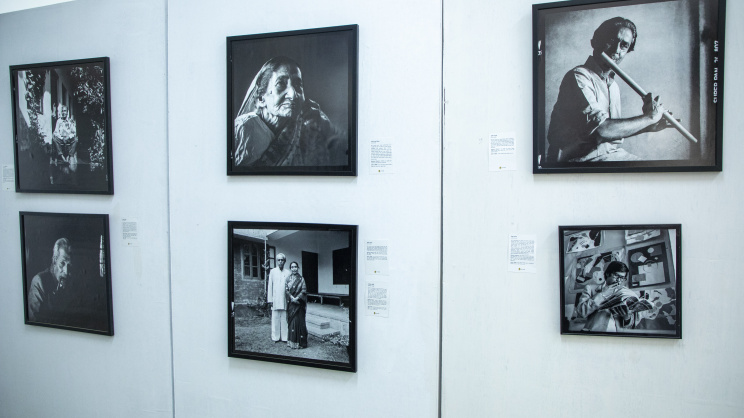
He added that many of his portraits are candid. “Often, I take photographs of natural moments. Those are the most revealing,” he said.
Mamun also spoke about the broader significance of portrait photography. “A photograph is not only to be seen, but it is also something to be read—like a story or a poem,” he said.
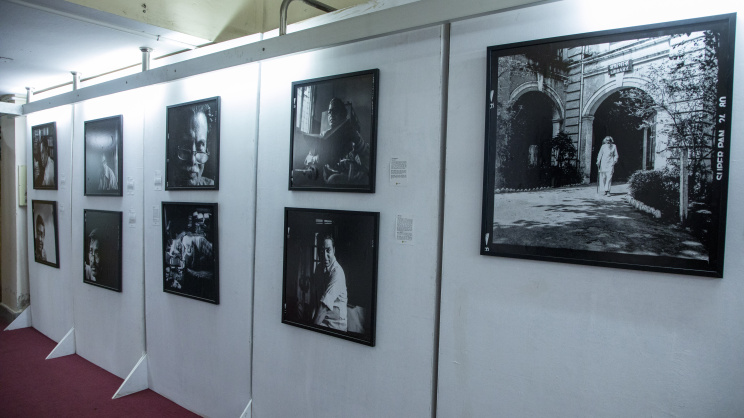
Referring to his long-term work, he said he has documented a wide range of cultural figures and created series that could be exhibited individually. He described his work as an attempt to preserve the visual identity of a generation.
Looking ahead, Mamun said he plans to establish an image-based museum, which he calls a “Photoseum”. The proposed space would preserve photographs as part of a national archive.
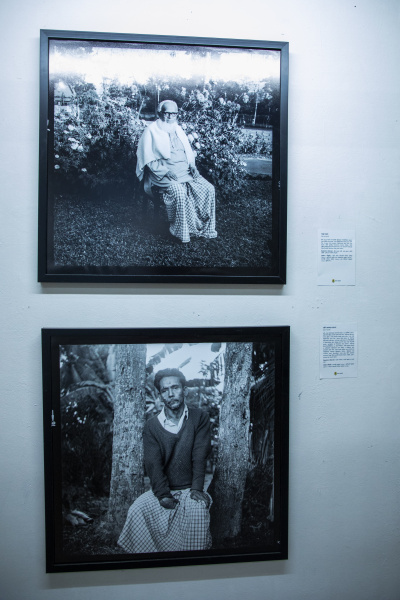
“These images are a form of heritage. Future generations should be able to see who these people were, how they lived, and what defined them,” he said.
He added that if institutional support is available, the initiative could be launched soon, especially as this year marks 200 years of photography globally.
 For all latest news, follow The Daily Star's Google News channel.
Comments