


Brahmanbaria screening of ‘Bonolota Express’ faces opposition, concern grows
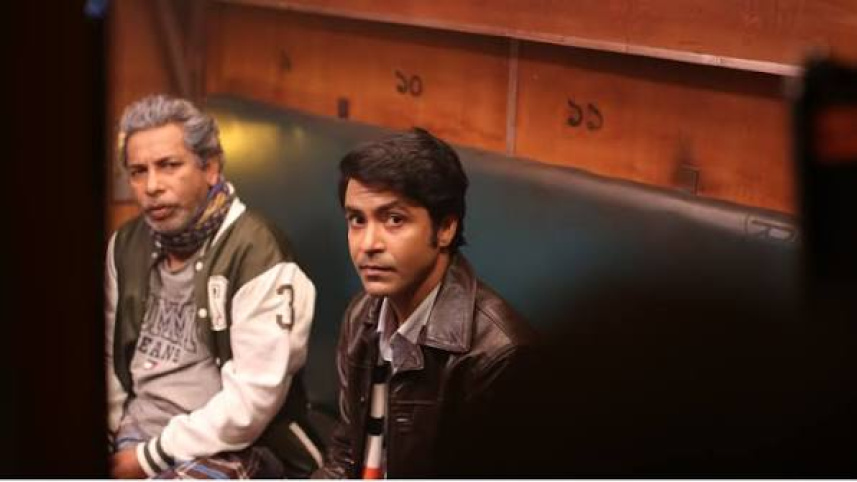
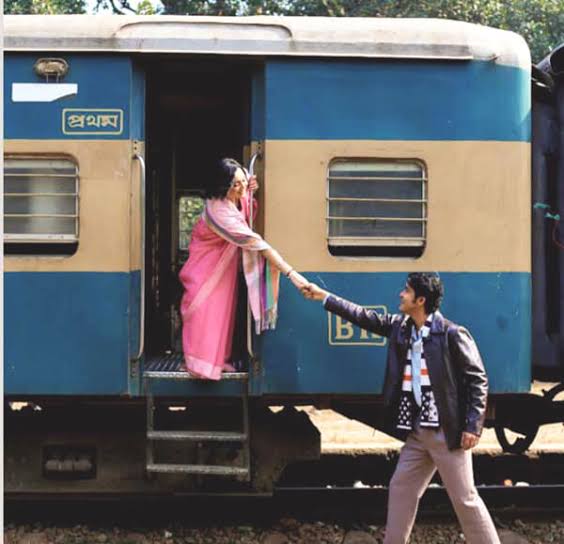
Concern has mounted in Brahmanbaria following online opposition to a scheduled public screening of the film “Bonolota Express”, with organisers reporting social media-based calls for cancellation and concerns over possible disruptions ahead of the May 30 event.
The screening is being organised by Brahmanbaria Film Society at Annada Government High School as part of its ongoing initiative to promote film appreciation through regular screenings, discussions and cultural gatherings under its “Bhathghumer Film Adda” series.

Launched on May 10 under the slogan “New generation in film practice, a new horizon of cultural heritage”, the platform has so far hosted multiple sessions aimed at building a local space for film culture and critical discussion in the district.
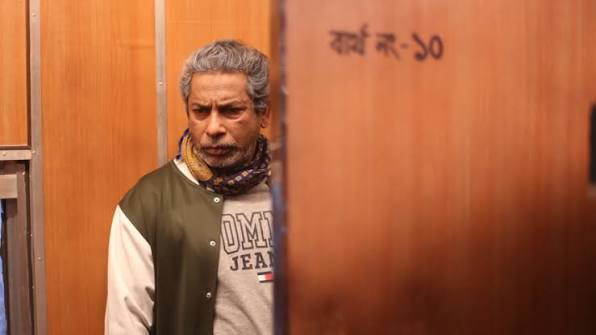
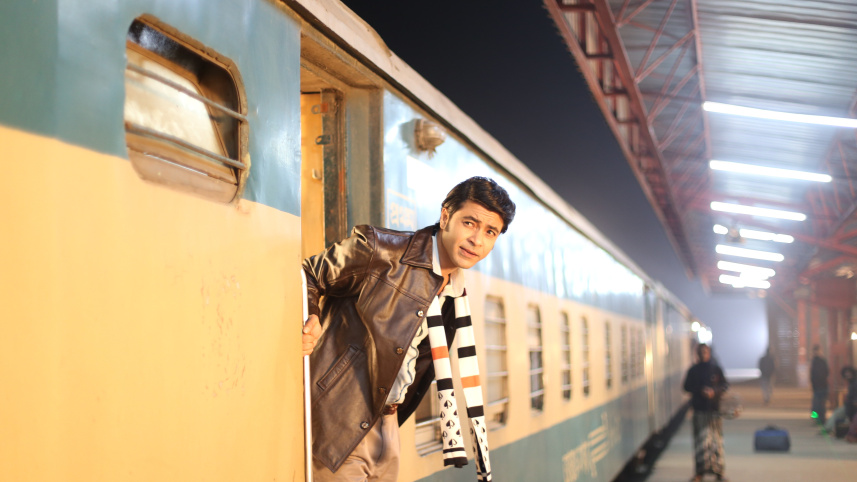
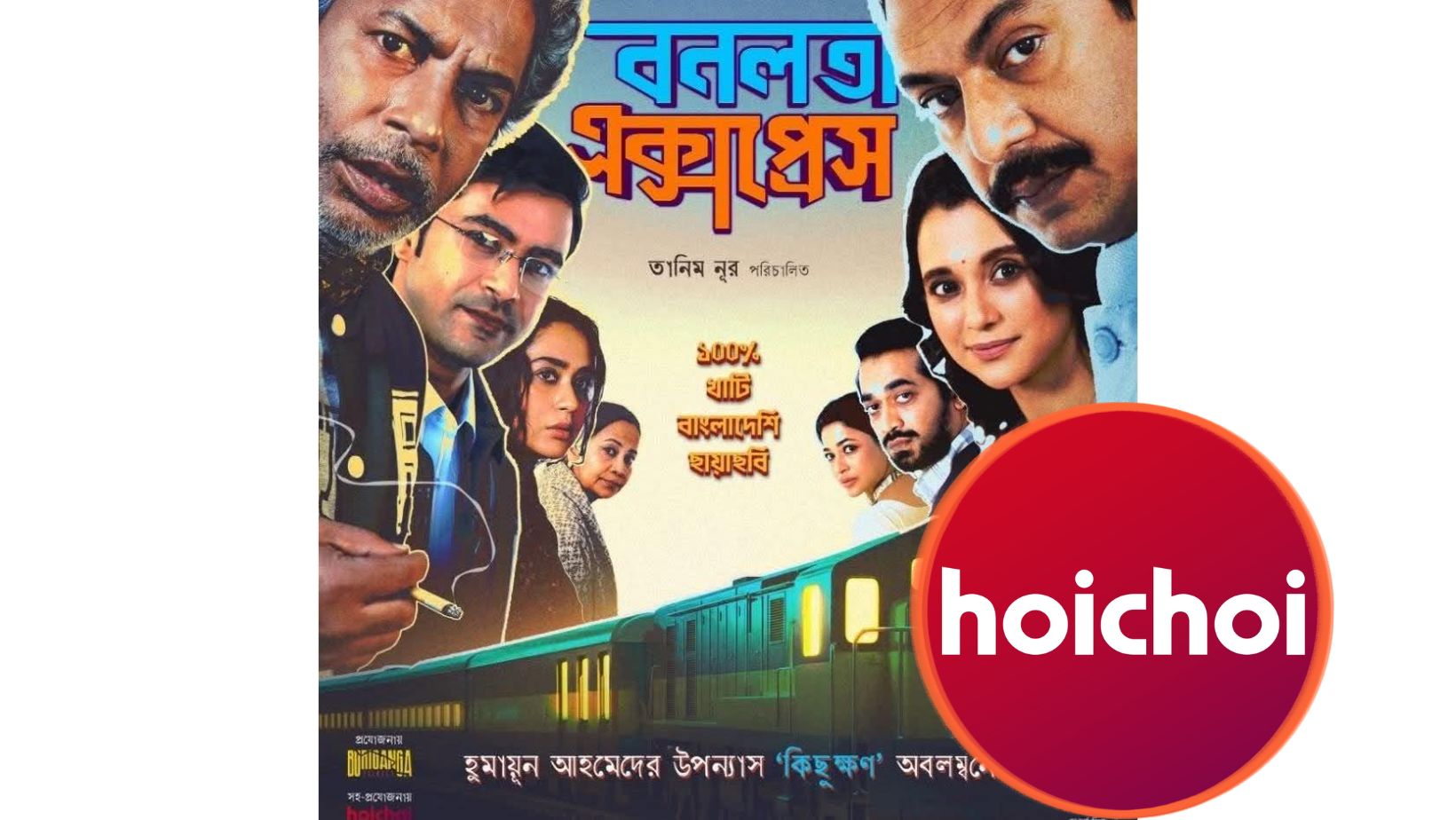
Ahead of its ninth screening, the organisation announced the Eid-released film “Bonolota Express” for public viewing. Following the announcement, a section of social media users began posting objections, calling for the screening to be halted on religious grounds.

Screenshots and posts circulating online suggest a coordinated campaign opposing the event, including circulation of the film’s poster marked with red cross symbols. Organisers say the activity has intensified tensions around the scheduled screening.
Filmmaker Tanim Noor expressed concern over the situation, calling the developments distressing and urging space for dialogue. He noted that Brahmanbaria has long been associated with cultural heritage and said artistic expression contributes to intellectual and social growth rather than undermining it.
Bakhtiar Shahriar, general secretary of Brahmanbaria Film Society, said the screening would go ahead as planned despite online opposition. He added that the organisers would inform local authorities and seek necessary security arrangements to ensure a safe screening.
Cultural activists and film enthusiasts have also raised concern over what they describe as growing pressure on artistic spaces, urging protection of open cultural practice in historically active cultural regions.
 For all latest news, follow The Daily Star's Google News channel.
Comments