


Afsana Mimi revives Baishakhi joy for children at ‘Ichchhetola’

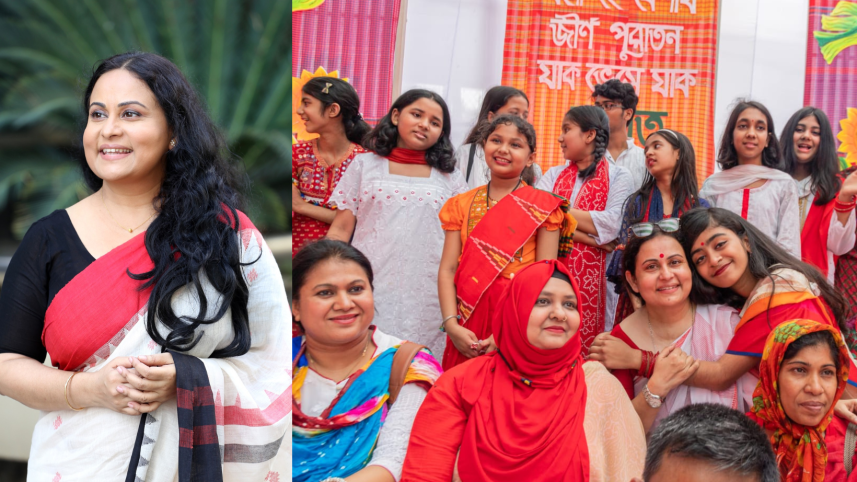
For the talented actress Afsana Mimi, Pahela Baishakh is an essential part of her life. Though she hasn’t been able to participate in Mongol Shobhajatra over the past ten years, she continues the tradition with the children at her cultural centre, Ichchhetola.
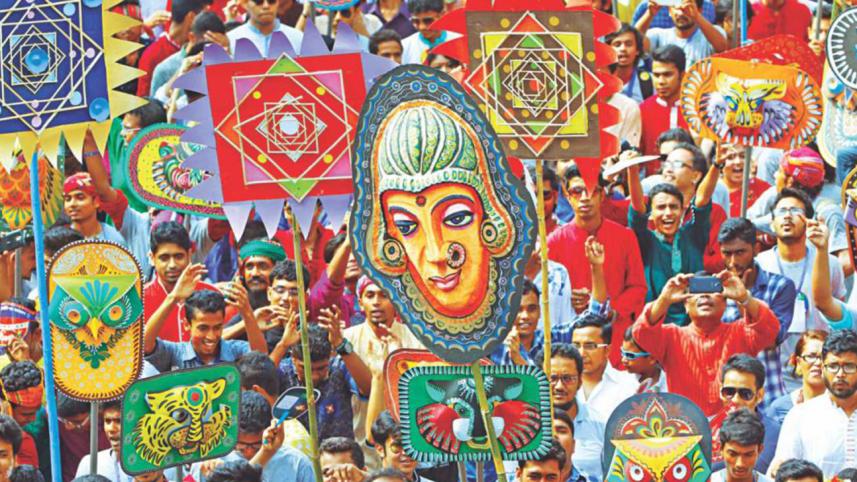
“One of my most cherished memories was being part of the Mongol Shobhajatra during the Bengali year 1400 (Choddosho),” Mimi recalls. “It was magical walking along Ramna, holding a mask made by Charukola, while Rabindranath’s words echoed in my mind: ‘Aji hote shotoborsho pore. Ke tumi poricho boshi amar kobitakhani...’ Knowing that poem was written over a hundred years ago made the moment so joyful.”

She also treasures simpler, personal memories. “My first Pahela Baishakh with my mother, when I was in my first year of college, is unforgettable. She even bought me a red-bordered off-white saree. After a day of celebration, we returned home to eat together—it was pure joy.”
Mimi describes Chhayanaut’s early morning songs at the Ramna banyan tree as the heart of the urban Baishakh experience.
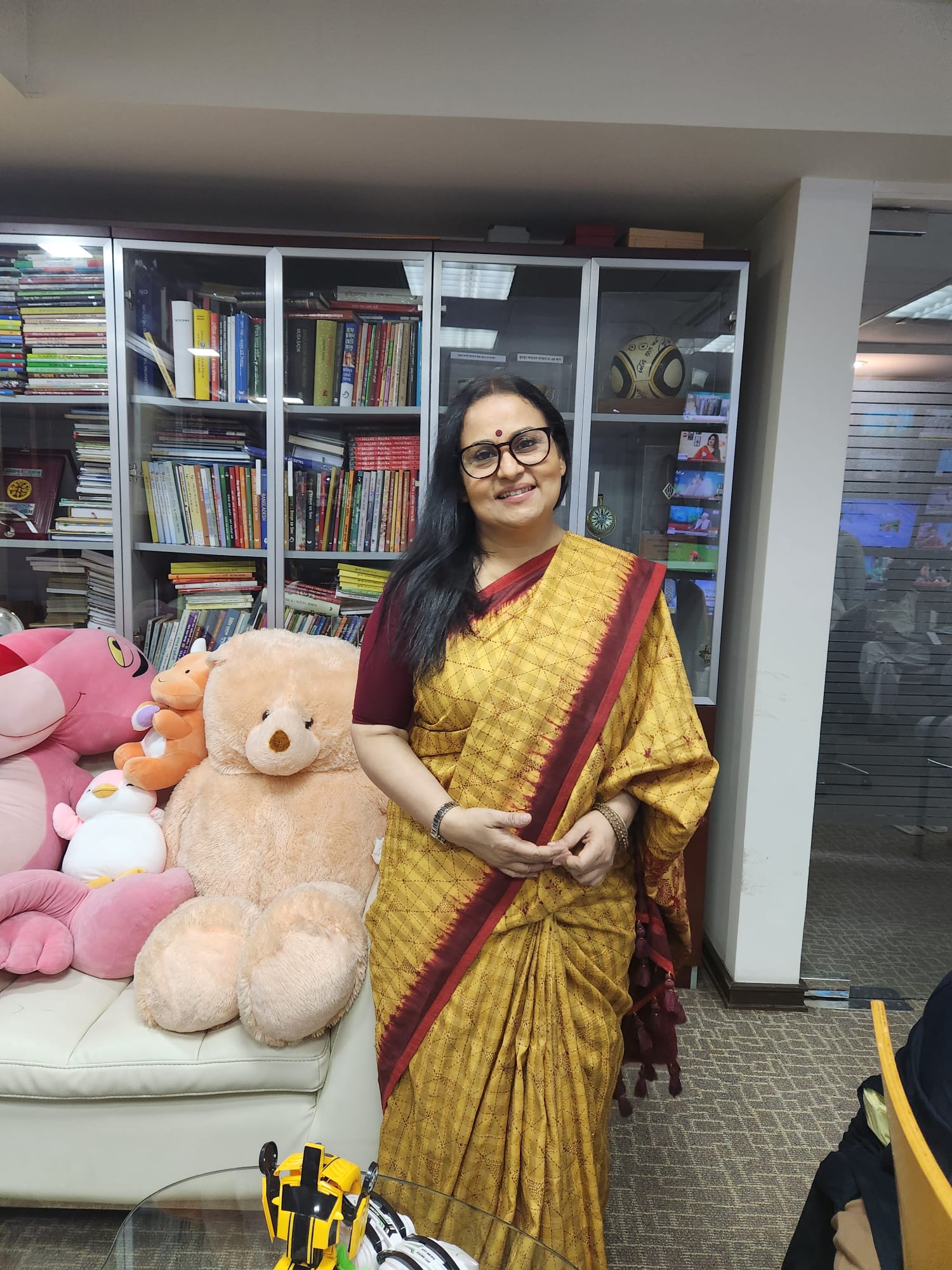
“Even though Sanjida Apa is no longer with us, her contribution lives on. Our city’s Baishakh always begins with morning songs and ends with the national anthem before the Mongol Shobhajatra. That is our ritual, our deepest devotion.” Over the past decade, Mimi has recreated that spirit at Ichchhetola, a small cultural space she runs in Sector 12, Uttara.
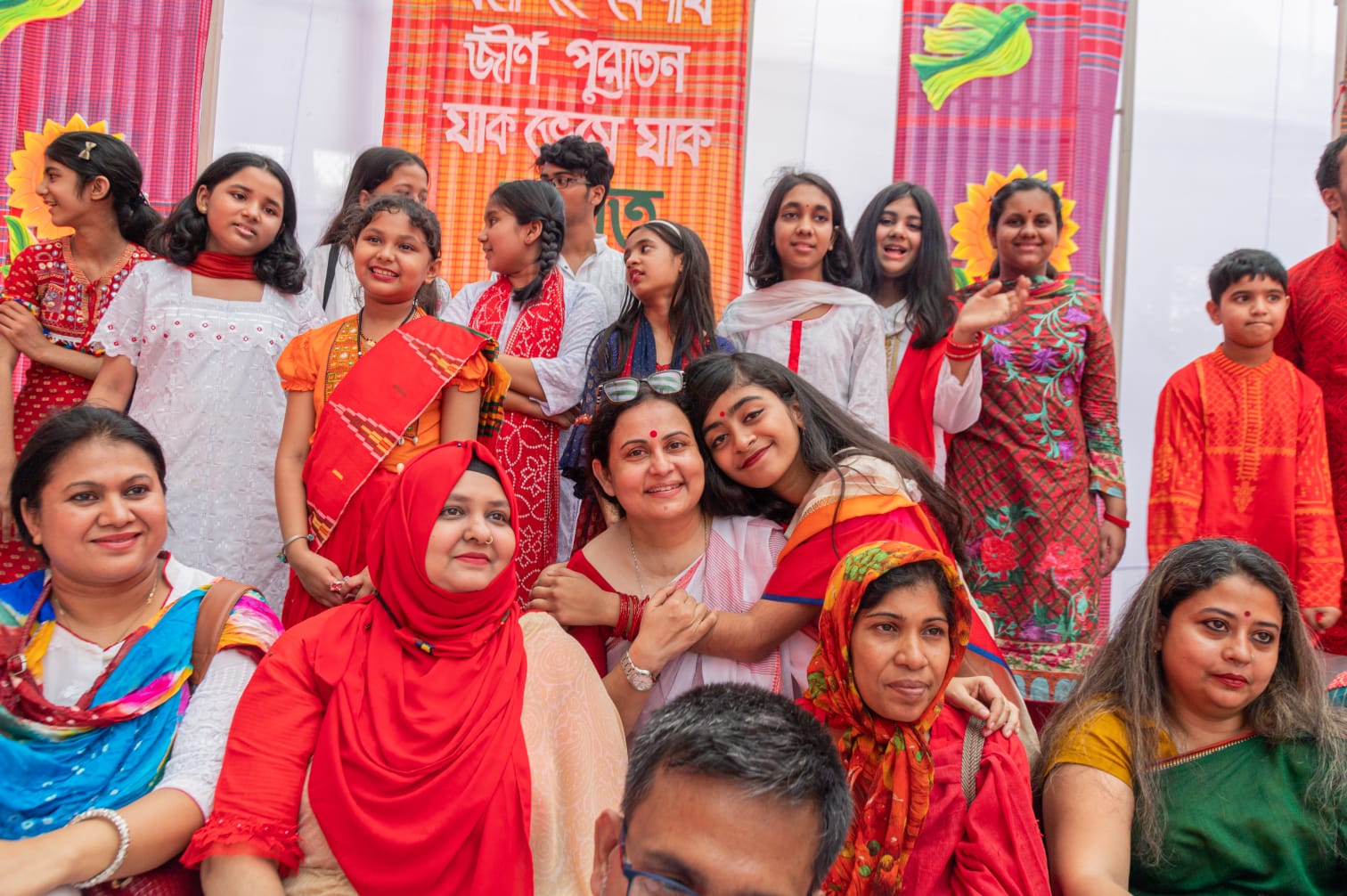
“We celebrate Baishakh with children, organising a little Mongol Shobhajatra with dhakis, dhols, and dhulis. Kids hold small masks—flowers, tigers, owls—and dance together. Afterward, we have snacks, beler shorbot, and a small cultural programme with dances, songs, and poetry.
Even parents join in, and everyone feels the joy of community.” For Mimi, the essence of Pahela Baishakh is about connection, culture, and human joy, not just festivities or social media posts. “It’s not enough to dress up and say you celebrated. What matters is being together sharing food, music, and laughter. That is the core of our culture and our roots.” She adds that Ichchhetola operates quietly, without sponsorship or promotion, but with full dedication to the work she loves. “This year, we’ll even have a short puppet theatre. Our focus is joy, culture, and the children experiencing the richness of Pahela Baishakh.”
 For all latest news, follow The Daily Star's Google News channel.
Comments