


Out of the archives, into the feed
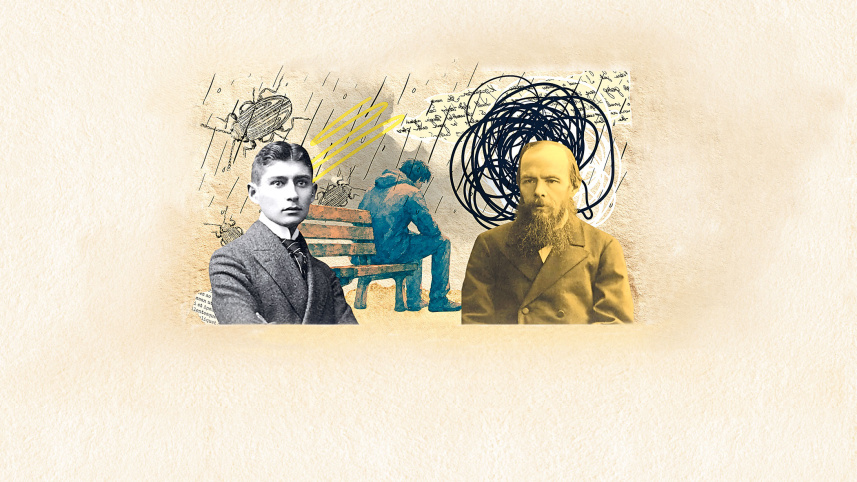
Open Instagram or TikTok for 10 minutes and you will likely run into him: a nervous Prague insurance clerk, dead for a century now, staring out from a grainy black-and-white photo with a quote about cages and birds stamped across it. Beside him sits a brooding Russian novelist who once faced a firing squad and lived to write about it afterward.
Franz Kafka and Fyodor Dostoevsky—two of literature’s heaviest names—are thriving unexpectedly on apps built mostly for dance trends and comedy skits.

It shouldn’t work on paper. These are writers obsessed with guilt, confusing systems, and deep self-doubt—hardly algorithm-friendly material. Yet here we are, watching teenagers highlight The Brothers Karamazov (1880) between class notes and skincare reviews. What explains this sudden revival of century-old books among young people online?
Kafka’s private love letters help explain the appeal too. Letters to Milena (1952) is full of short, emotional lines that easily fit into video captions. Lines like “I am yours, even if I am not with you” look completely natural written over a moody picture online today. They offer a level of romantic vulnerability that feels refreshing in a world of quick online chats and ghosting.
‘Burnout’ plays a huge part in this trend. This generation didn’t inherit simple, inspiring stories where the hero wins and everything turns out fine. Instead, they inherited constant traffic jams, rising heat and pollution, endless coaching classes, hyper-competitive exams, and a job market where people who were promised high salaries after studying BBA 10 years ago now face modest pay in Motijheel or Gulshan and are treated like they can be replaced at any moment.
Kafka never wrote heroic adventure stories. He wrote about regular people stuck in absurd, stressful situations they couldn’t escape. In his most famous story, “The Metamorphosis” (1915), a man named Gregor Samsa wakes up turned into a giant bug. His main worry isn’t his terrifying new body; it is how he will explain being late to work to his boss.
That is the real tragedy of the story. And somehow, it hits harder for an exhausted 22-year-old today than any big action quest could. The story was never really about turning into a bug—it was about how soul-crushing it feels to give your life away to a job that doesn’t care about you.
“I am a cage, in search of a bird.”
—Franz Kafka
Dostoevsky hits a different note. Where Kafka suffers quietly, Dostoevsky explodes with emotion. His short story “White Nights” (1848), about a lonely dreamer wandering the streets of St. Petersburg, has become an unlikely hit for people feeling overwhelmed by their own thoughts. His lines get placed over slow piano music and blurry city footage, and somehow, it keeps working.
“I am a dreamer; I have so little real life that I look upon such moments as this as a dream…”
—Fyodor Dostoevsky
There is a strange reality worth thinking about here. This is the most digitally connected generation in history, yet surveys constantly show record levels of loneliness. Everyone is easy to reach through text and social apps, but very few people actually feel understood.
The overwhelming guilt, overthinking, and deep loneliness in Dostoevsky’s stories no longer feel like old, distant fiction from Russia. They read like entries from a private diary written yesterday. They give young readers permission to feel things deeply in a culture that often tells people to stay detached.
Meme culture deserves plenty of credit for this revival too. Classic literature usually comes wrapped in dust and serious classroom rules, which keeps everyday readers at a distance. The internet strips that seriousness away without much ceremony.
On social media, Kafka becomes “that anxious guy who hated his job and had huge issues with his dad.” Dostoevsky becomes “the guy who replays one single awkward conversation in his head for six years straight.”
It’s funny, but it’s also remarkably accurate. Internet humour makes these intimidating writers feel like old friends. Someone laughs at a joke about a man turning into a bug, gets curious, opens the book, and suddenly finds themselves deep in a story that speaks directly to their own inner thoughts. The joke acts as a welcoming front door to complex literature.
Visual style plays a big role as well—perhaps bigger than most people like to admit. The Dark Academia online trend—tweed jackets, candlelight, rainy library windows, and worn-out paperbacks—adopted Kafka and Dostoevsky as unofficial faces of the movement.
Sharing a photo of a coffee-stained copy of Crime and Punishment (1866) alongside a warm drink isn’t always just about the plot of the book. Sometimes it’s a quiet signal to the world that says: I want to slow down, and I care about deeper things than just short video clips.
Kafka’s private love letters help explain the appeal too. Letters to Milena (1952) is full of short, emotional lines that easily fit into video captions. Lines like “I am yours, even if I am not with you” look completely natural written over a moody picture online today. They offer a level of romantic vulnerability that feels refreshing in a world of quick online chats and ghosting.
 For all latest news, follow The Daily Star's Google News channel.
 Is some of this just for show? Probably. Does that make it fake? Not necessarily. It is completely possible to use literature as an online style choice and still be deeply moved by the words inside the book once you actually read them.
What stands out most is that neither writer offers easy comfort or fake happy endings. Gregor Samsa dies forgotten by his own family. Dostoevsky’s dreamer ends up more alone than when his story began. Nothing about either writer fits neatly into a social media feed built on beauty filters and forced happiness.
So, why do these century-old writers matter so much to young readers right now? In a culture, like ours, where family expectations, academic pressure, and the fast pace of city life leave very little room to feel uncertain, Kafka and Dostoevsky offer something rare: real validation. When we feel overwhelmed by high demands, strict societal goals, or the quiet loneliness of a crowded city, these books do not sell us fake comfort or easy answers. Instead, they gently remind us that feeling lost, overthinking, and searching for who you are isn’t a personal failure—it is a timeless human experience that people have been trying to make sense of for over a hundred years.
Rania Fatema Tui is a writer and master of making simple tasks complicated. Powered by iced coffee and last-minute panic, she spends 10% of her time typing, 90% staring at a blank screen, and re-reading text messages five times before sending them.
Comments