


Covid-19 vaccines: efficacy, for how long and other FAQs
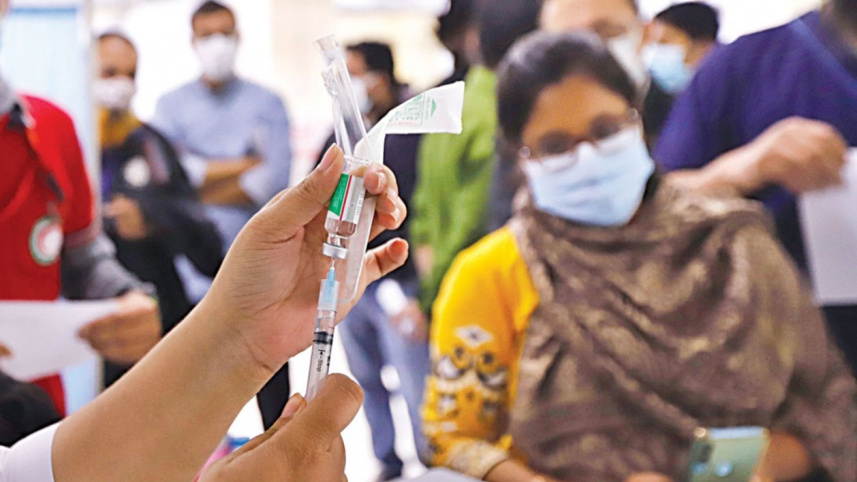
Despite the recent debate regarding the efficacy of Oxford-AstraZeneca vaccine against South African Covid-19 variants, WHO has assured the world --in their recent recommendations -- that the vaccine is still very safe for use. With inoculation picking up pace in Bangladesh, it's important to address some of the burning questions regarding the vaccines. If you wondered how long you will be immune to Covid-19 after getting vaccinated, you're not alone. Can we ever return to the old normal of mask-free existence and no social distancing? While the answers are not simple, there's light at the end of the coronavirus tunnel.
HOW GOOD IS THE OXFORD-ASTRAZENECA VACCINE?

Easy answer: Quite good.
WHO has acknowledged trial that "indicate marked reduction in vaccine effectiveness against mild and moderate disease" caused by the South African variant. However, WHO has pointed out that the trial does not indicate any reduction in vaccine efficacy against severe disease or hospitalization. They also recommend AstraZeneca vaccine for people over the age of 65. Large trials have suggested that the vaccine is 62% effective in reducing chance of Covid-19 infection, according to BBC, but The Guardian reported 90% efficacy when administered half a dose at first, followed by the full dose.
HOW LONG WILL I BE IMMUNE?
There are no precise answers to this question, but we do have a reassuring timeline. All India Institute of Medical Sciences' Randeep Guleria said a good amount of antibodies will develop about 14 days after the second shot of the vaccine, reports our New Delhi correspondent. "It is not clear how long the protection will last, but it is believed to last for at least eight months or may be longer," he said while interacting with Twitter users on Indian Health Ministry's official Twitter handle for Covid-19 response.
The National Geographic reports that Covid-19 vaccines could even become a yearly shot -- similar to the flu shots, but only time will tell.
HOW LONG DO I HAVE TO MASK UP?
Experts agree that everyone should wear a mask for the time being. Cynthia Leifer, Associate Professor of Immunology at Cornell University, suggests that we are "going to have varying response to the vaccine; some may be not good enough to protect". Moreover, whether fully vaccinated people can still spread the virus remains a critical question to answer. Safe to say, it is a good idea to still wear a mask until further directives are issued.
CAN VACCINATED PEOPLE GATHER TOGETHER?
The decision to gather involves mental "calculus", says John Swartzberg, clinical professor emeritus at University of California Berkeley's School of Public Health. There is still a small chance that even a vaccinated person could become infected. However, as more people are inoculated and the number of infections drop, a gathering among vaccinated people "will be a safe one" and possibly continue to get safer, he said.
 For all latest news, follow The Daily Star's Google News channel.
Comments