


East West University: An inclusive, affordable campus, prioritising student well-being
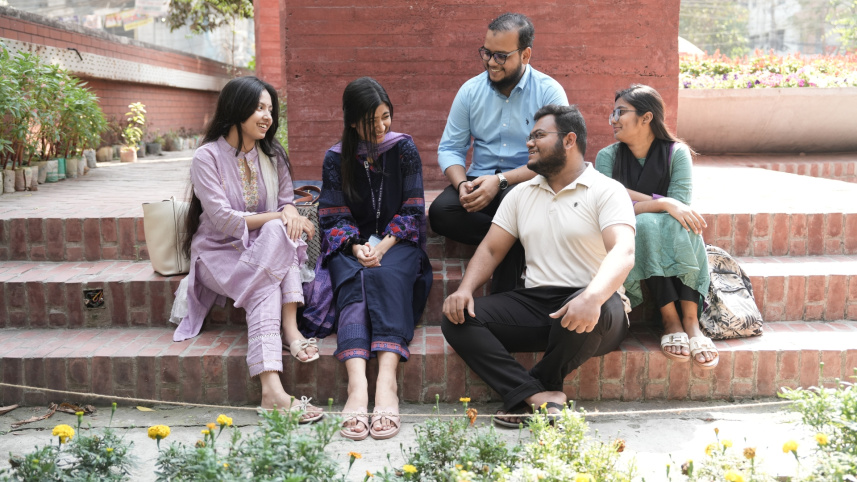
East West University's (EWU) name conveys an aspiration that extends beyond geography to philosophy. The institution was founded in 1996 to balance two intellectual traditions: the rigour of the West and the rootedness of the East. The Chairperson of the EWU Board of Trustees, Prof. Dr Mohammed Farashuddin, did not consider the name to be decorative. It was a statement of intent to create an environment where local customs and international academic standards could coexist peacefully.
After returning from a 13-year stint at the United Nations Development Programme (UNDP), Dr Farashuddin and a small group of like-minded educationists set out to provide access to high-quality education rather than rhetoric, to pay back what he refers to as a "tremendous debt" to society.

Although there were only 20 students in the first cohort, the concept was ambitious from the start. This was intended to be a purposeful intervention into the disparities that shaped access to education in Bangladesh, rather than another exclusive private school. According to Dr Farashuddin: “I felt it was critical to provide standard, quality education to the children of middle- and low-income families. We are very proud of that vision, and we have pursued it without interruption.”
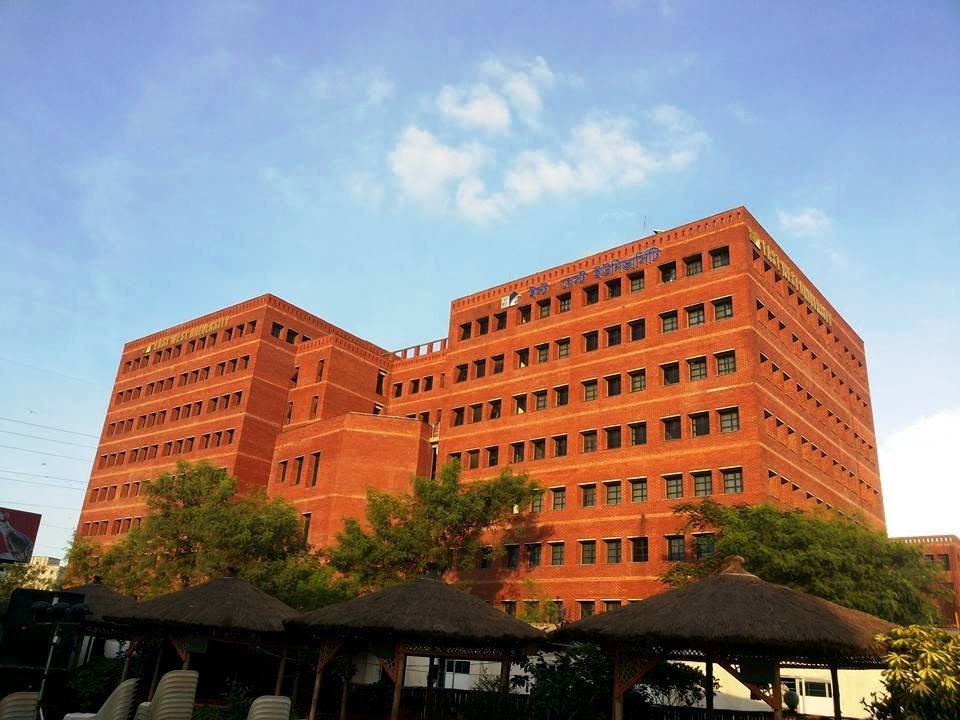
This idea would later define the institution's course. The founding philosophy of the university, which was designed to both support and challenge the hierarchies ingrained in higher education, persisted over time as the campus expanded—physically, institutionally, and in terms of reputation.
EWU's operational logic has always been anchored in accessibility. Students from middle-income and lower-income families, who frequently find themselves priced out of private higher education, were the target for the institution's initial design. This was a deliberate structural decision. Highlighting the university's long-standing dedication to reducing inequality, Dr Farashuddin states, “I think that the middle class are the backbone of democracy, growth, and prosperity, and we are determined to minimise the disparity that exists.”
The university's financial ethos, which operates with an almost austere discipline, is where this commitment is most evident. According to Dr Farashuddin, the framework that enables the organisation to operate as a truly non-profit organisation is "no wastage, no leakage, and, most importantly, preventing any corruption". EWU uses its financial prudence to keep tuition costs relatively low.
This strategy is ideological rather than just administrative. In 2000, the university made a bold resolution that any operational surplus would be fully reinvested in the school, either through direct student support or infrastructure development. By doing this, the university set itself apart from the profit-driven inclinations that sometimes characterise private education. As a result, the campus continues to grow in size and amenities while paying attention to the financial needs of its students.
The consistent expansion from 20 students in 1996 to over 16,000 today is often cited as proof of the institution's success. Beneath that growth, however, is a more subdued accomplishment: the establishment of an environment in which educational opportunities are not solely determined by financial status. In this way, EWU's affordability is a long-term practice that continues to influence who is able to enter, stay, and eventually prosper within its walls.
Relatively low tuition, coupled with a comprehensive scholarship framework impacts a substantial segment of its student population. Keeping costs low is the first step toward inclusion. The second step is actively redistributing institutional resources to people who might not be able to stay in the system otherwise. Financial aid is at the heart of how the university sees its role.
Since the beginning, merit has been one of the main ways to get support. Students who get the top positions on the admission test get full scholarships, and students with great grades, like a “Golden GPA-5”, get a 100 percent tuition waiver when they are accepted. Some people who did well, but not quite as well, are given partial waivers. But Dr Farashuddin is careful to point out that merit alone does not determine eligibility. A parallel system of need-based assistance makes sure that capable students don't get pushed to the edges because they can't afford it. People who keep a certain level of academic achievement and meet certain income requirements can get ongoing help, which is often renewed in cycles so that help is not suddenly taken away.
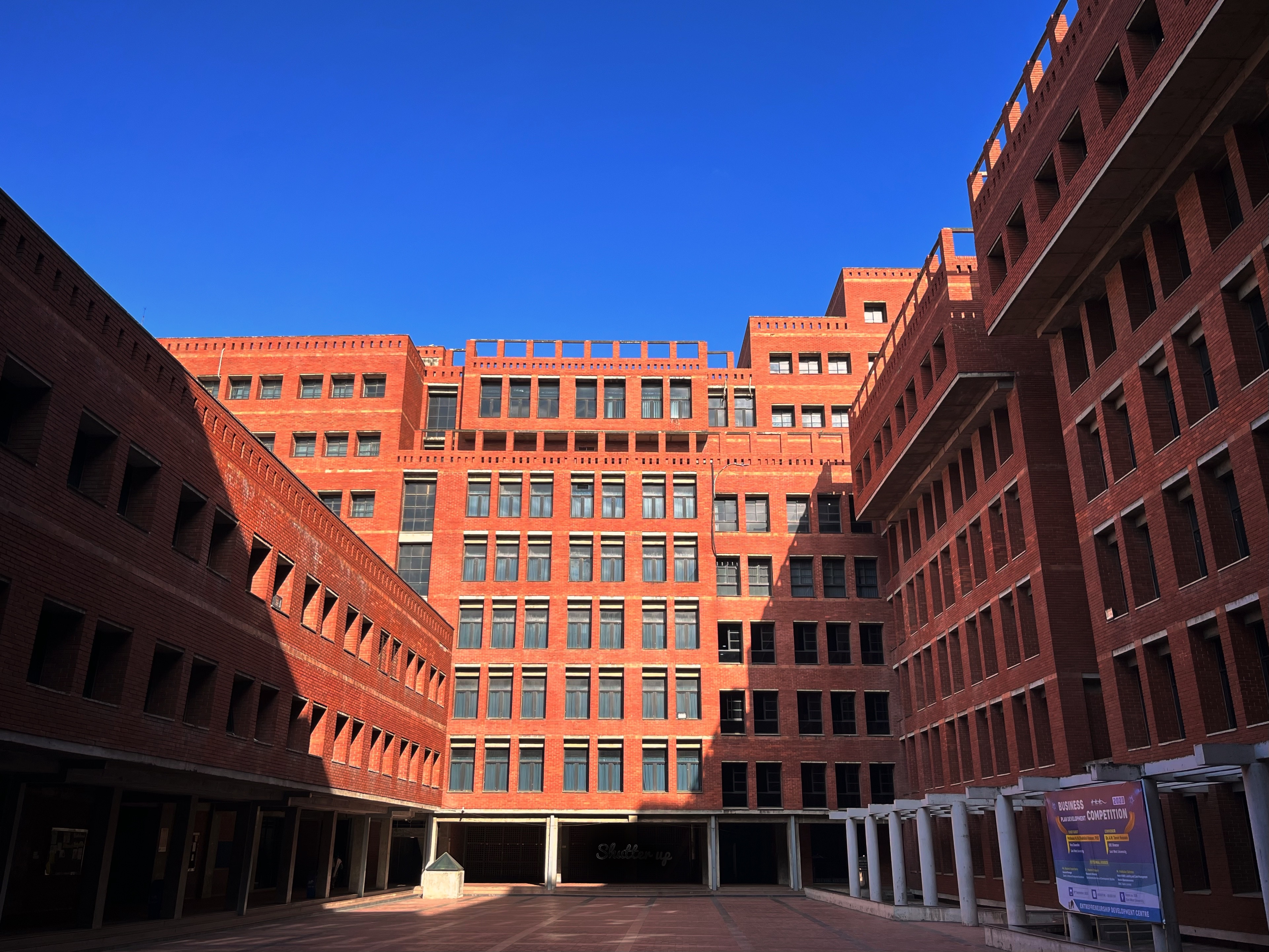
The result is a layered model of inclusion that takes into account both achievement and circumstance. This is a very big commitment. Almost one in five students gets some kind of financial help, and the university spends a large part of its annual income—about 12 to 13 percent—on scholarships and other forms of aid.
Dr Farashuddin doesn't like the word "expenditure" here; instead, he calls it a long-term investment in people's potential. The difference is important because it changes the story from cost to consequence and from accounting to impact.
Additionally, this system incorporates locally sensitive gestures. For example, district scholarships provide selected students from each of Bangladesh's 64 districts with complete financial support, which includes living expenses, study materials, and tuition. These programmes increase the university's reach and attract students from a variety of socioeconomic backgrounds and geographic locations.
In actuality, this support network changes the makeup of the campus itself in addition to relieving financial strain. A gradual but significant diversification is indicated by the growing number of female students, many of whom receive scholarships by their own merit, and the involvement of students from a variety of religious and geographic backgrounds. The university's second commitment is not just to admit students but to keep them, which takes form in this interaction between presence and policy.
Beyond questions of cost and access, EWU has, over time, cultivated a reputation for “care”. The university’s emphasis on student well-being is woven into both its infrastructure and its everyday ethos, extending from medical facilities and emergency support to a dedicated socio-psychological counselling centre where students can seek confidential guidance. For Dr Mohammed Farashuddin, this is a responsibility. “We consider our students as our own children,” he says, a sentiment reflected in moments of crisis when the campus has functioned as a place of refuge—offering shelter, treatment, and reassurance.
The same philosophy manifests in smaller interventions: counselling for those navigating family pressures, an environment deliberately kept free from partisan tensions, and a broader commitment to ensuring that students feel, above all, safe and supported. It is an approach that recognises education as an experience affected by emotional and psychological conditions.
 For all latest news, follow The Daily Star's Google News channel.
 The narrative of EWU ultimately boils down to its name: striking a balance between aspirations and access, ideals and realities. What started out as an attempt to unite two intellectual traditions has developed into something more grounded but no less ambitious: a university that aims to balance growth with integrity, ambition with care, and quality with affordability. Its growth from a small group of 20 students to a large academic community can be interpreted as an indication of the institution's success.
Comments