


EBL’s women leaders shaping the bank’s future
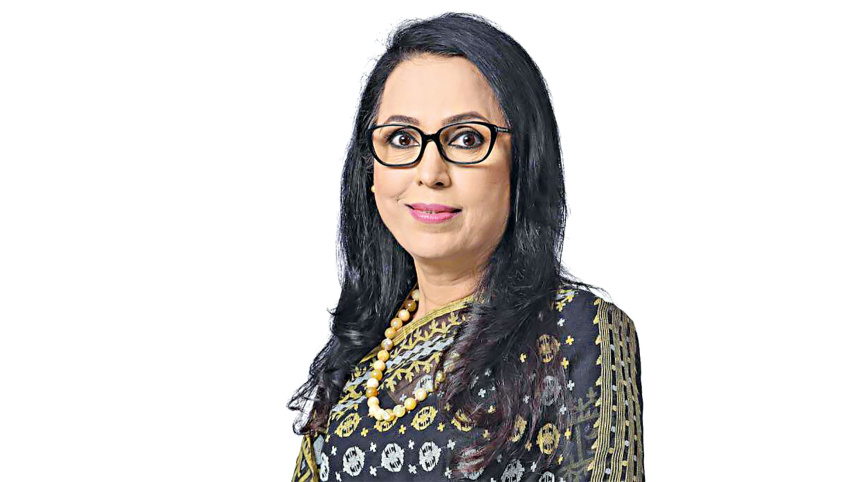
An all-female executive committee at Eastern Bank PLC (EBL) is offering a glimpse of how the bank sees its future: one where women have a greater role in shaping decisions, influencing strategy and leading the organisation.
The approach goes beyond increasing the number of women on the payroll. It is about creating opportunities for women to take on leadership roles and build credible paths to the top, as EBL seeks to become a stronger, more agile and future-ready institution.

“I would like EBL to be a place where women and men have the same opportunity to realise their potential, lead and shape the future of the organisation,” said Salina Ali, chairperson of EBL’s executive committee and chairperson of Unique Group.
Salina brings decades of experience across sectors including real estate, hospitality, aviation, power and banking. Her view reflects the broader thinking behind EBL’s approach to women’s leadership.
Women currently account for 16.3 percent of EBL’s workforce, with the bank targeting 25 percent by 2030. More significantly, women already head 22 units and wings across the organisation.
That means the conversation is moving beyond headcounts and quotas. The more important question is whether a woman joining the bank today can see a credible path to leadership tomorrow.
Employing more women is a target. Trusting them to lead is a transformation, according to an EBL press release.
Kishwar Jahan Sayeeda Banu, known as KJS Banu, brings a different perspective to the executive committee. Her involvement with social organisations and support for young artists has shaped her view of what a women-friendly workplace should offer.
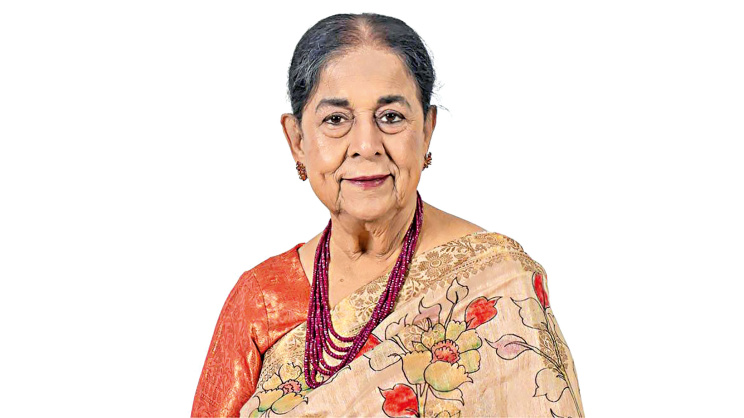
For her, the real measure is whether the next generation of women can look ahead and see genuine possibilities for themselves.
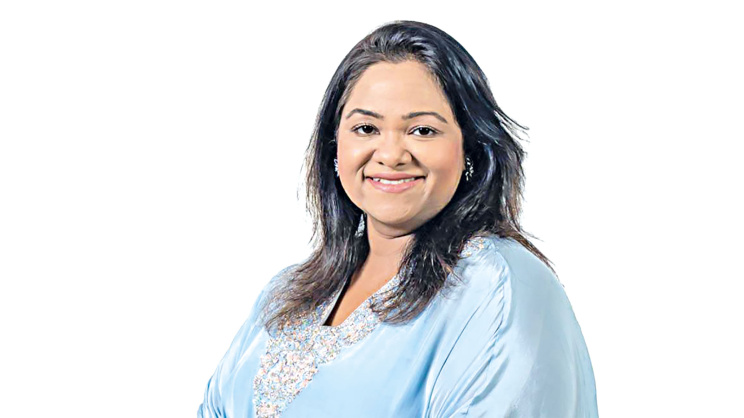
Mahreen Nasir represents a younger generation shaped by technology, innovation and global exposure. With more than 13 years of experience in telecommunications, ceramics and information technology, she sees EBL’s future as technology-driven, agile and innovative while remaining centred on people.
That outlook comes as banking is being reshaped by technology, new skills and intensifying competition for talent. Diverse leadership can bring different experiences and ways of thinking to that transition.
FROM NUMBERS TO OPPORTUNITY
EBL’s target of raising female participation from 16.3 percent to 25 percent by 2030 will take more than recruitment drives. The real measure will be whether women who join EBL can build careers, take on meaningful responsibility and see a credible path to the top.
The fact that women already lead 22 units and wings provides a foundation for that ambition.
For EBL’s women leaders, making full use of female talent is not only about equality. It is also a smart way to build a stronger, more agile and future-ready institution.
 For all latest news, follow The Daily Star's Google News channel.
Comments