


BB issues guidelines to link local banks with foreign payment providers
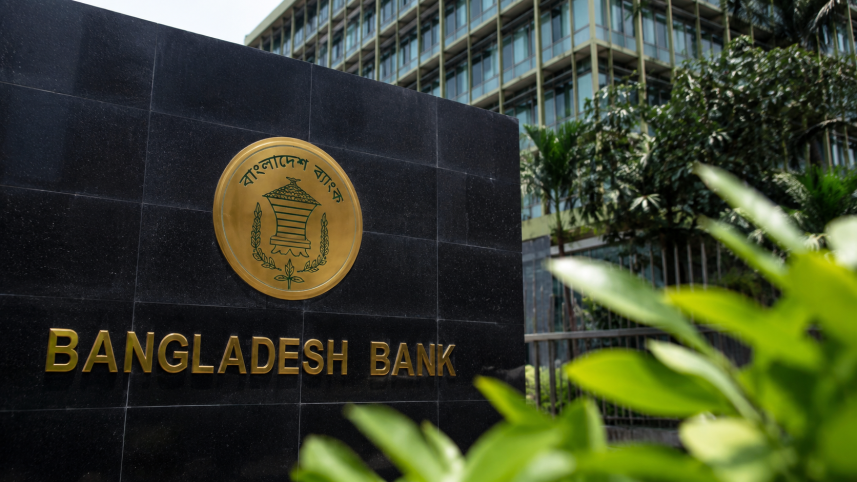
Bangladesh Bank has introduced a bank-intermediated framework to link local banks with foreign payment providers, modernising the payment ecosystem, boosting digital financial inclusion, and supporting the growing trade in services.
In a circular issued today, the central bank set out guidelines for authorised dealer (AD) banks to process outward remittances through partnerships with foreign payment platforms and service providers, termed Cross-Border Digital Payment Service Providers (CDPSPs).

A core feature of the framework is the introduction of Digital Value Accounts (DVAs) — digital wallets or stored-value accounts opened in users' names. These accounts will operate under a Master DVA maintained by the respective bank, ensuring regulatory oversight.
DVAs may be used for travel-related foreign exchange transactions — including those for private, medical, and official purposes — as well as for payments such as membership fees, IT services, visa fees, and hotel bookings. DVA users are allowed to make cross-border online payments up to a specified limit.
The facility may also be extended against balances held in Export Retention Quota (ERQ) accounts, where up to three top-level officials of eligible entities may access DVA facilities for business expenditures, and Resident Foreign Currency Deposit (RFCD) accounts, which allow resident Bangladeshis to hold foreign currency brought back from travel abroad.
Banks shall obtain prior regulatory acknowledgement from Bangladesh Bank before launching such services, providing details of partnerships, system integration, and compliance arrangements.
The initiative signals a shift towards integrating digital payment channels into the regulated financial system. Previously, banks were permitted to use Online Payment Gateway Service Providers (OPGSPs), which route small-value cross-border payments through intermediary platforms, primarily for inward remittances.
Market observers believe the move could encourage global payment platforms such as PayPal and Stripe to explore the Bangladesh market, particularly in freelancing, e-commerce, and cross-border trade in services.
 For all latest news, follow The Daily Star's Google News channel.
Comments