


Turkey cuts rate despite soaring inflation
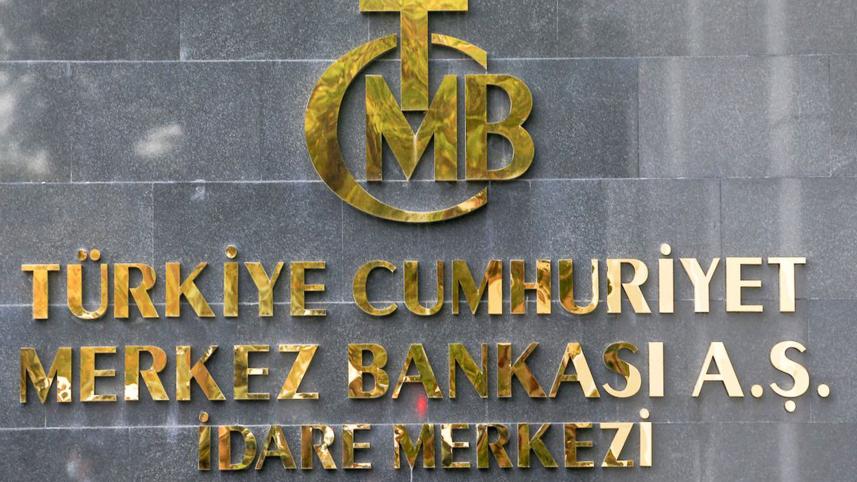
Turkey's central bank on Thursday stunned the markets by lowering its main interest rate even as inflation soared to a 24-year high and looks set to climb further.
The central bank said "recession is increasingly assessed as an inevitable risk factor" as it lowered its one-week repo auction rate to 13 percent from 14 percent.

"Just insane -- with inflation at 80 percent and rising," BlueBay Asset Management economist Timothy Ash remarked in an emailed comment. "Turkey's central bank (has) stepped up its fight against economic orthodoxy," Jason Tuvey of Capital Economics added in an ironic note.
"The move increases the risk of yet another currency crisis." The Turkish lira lost one percent of its value against the dollar within moments of the announcement.
Turkey's monetary policy decision contradicts the approach pursued by most other countries as they try to combat the spike in consumer prices caused by Russia's invasion of Ukraine.
The war has sent food and energy prices soaring and forced central banks to raise borrowing costs -- even as economic growth remains anaemic.
But Turkish President Recep Tayyip Erdogan subscribes to the unorthodox belief that high interest rates cause inflation rather than rein it in. He has fired three central bank governors since 2019 who have tried to pursue a more conventional economic course.
Turkey now has a real interest rate of negative 66.6 percent when adjusted for inflation.
This forces businesses and ordinary people to spend as much as possible before their liras lose even more value with each month.
Turkey's approach has propelled economic growth that Erdogan hopes can help him secure a third decade in power in a general election scheduled for next June.
But it has been accompanied by a sharp depreciation of the lira that has eroded living standards and pushed the financial sector to the brink of crisis.
The Turkish government has adopted a series of alternative measures to combat inflation which most economists dismiss as either insufficient or too complex and expensive to work.
 For all latest news, follow The Daily Star's Google News channel.


Comments