


How could Europe cap surging energy prices?
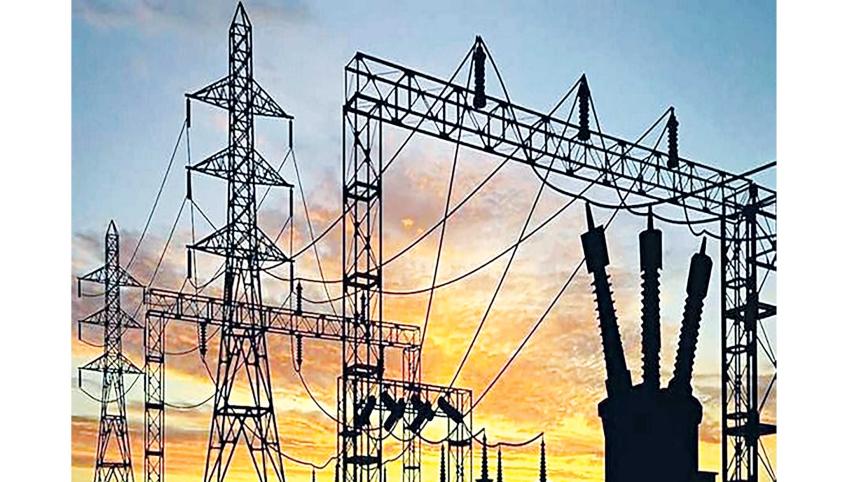
The European Union is preparing an emergency plan to separate power prices from the soaring cost of gas - as well as longer-term reforms aimed at ensuring electricity prices reflect cheaper renewable energy.
Energy ministers from EU countries will meet on Sept. 9 to discuss how to ease the burden of soaring energy prices on businesses and households as a matter or urgency.

European power costs have surged in the last year, driven by record gas prices as Russia curbed supply to Europe.
European governments have accused Moscow of using energy as blackmail, in retaliation for western support for Ukraine after Russia's invasion.
Russian gas giant Gazprom says it is a reliable supplier and has blamed cuts in flows on technical issues.
Changing the 27-country EU's energy systems may be complex and lengthy, as the cross-border trading of energy commodities among the bloc's members has taken two decades to emerge and solidify. But policymakers are racing to find a short-term solution.
Here's why Europe is considering energy market reforms, and what they could entail.
Why is the electricity price linked to gas?
In the EU energy system, the wholesale electricity price is set by the last power plant needed to meet overall demand.
Wind farms, nuclear, coal and gas plants and all other generators bid into the power market, with the cheapest sources coming in first, followed by pricier sources like gas. Gas plants often set the price in this system.
 For all latest news, follow The Daily Star's Google News channel.


Comments