


Global food crisis demands urgent Western response
Russian President Vladimir Putin's invasion of Ukraine shocked the world, forced Western countries to respond, and is driving up the cost of energy and food across the globe.
High prices in the United States may spell electoral disaster for President Joe Biden's administration in November's congressional elections. However, the most urgent economic, social, and human crises are unfolding in poorer countries where populations face war, spillover-driven inflation, and more expensive foreign-currency debt.

Together these dynamics put populations in Asia, Africa, and some parts of Latin America and the Caribbean at risk of shortages, riots, unrest, and famine. The conflict in Ukraine is directly affecting supplies of food. News of a deal between Russia and Ukraine to allow grain exports is welcome.
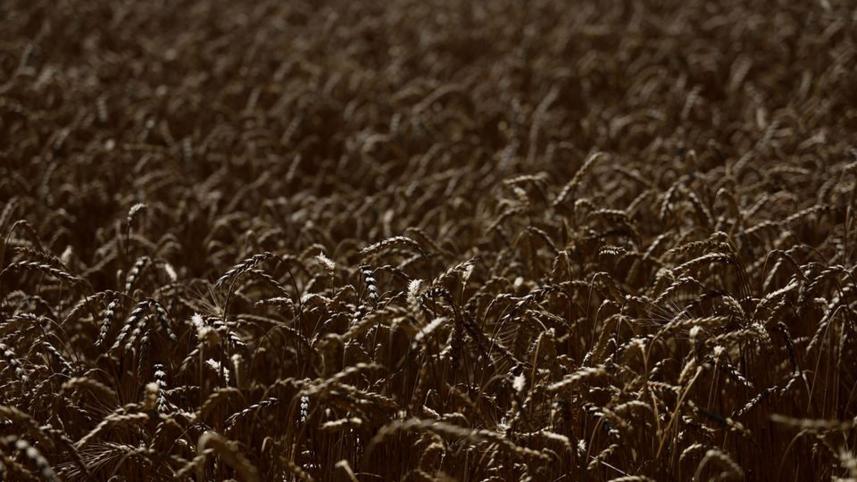
However, many minefields must be cleared and the deal be made to work in a time of war. We cannot yet assume trade routes will fully reopen. Russia and Ukraine together account for nearly a third of global wheat supplies, so any stoppage or constriction in trade affects access to basic foodstuffs for many.
Wheat prices are up while sunflower oil, meat, poultry, and a raft of other staples have also jumped in price, driven by higher fuel and fertilizer costs. The United Nations' Food Price Index, which captures the effects of war and supply disruptions, recently reached an all-time high of 156, up from 103 in 2020.
The alarming economic and political crisis in Sri Lanka shows what may occur elsewhere. Long-standing poor governance and corruption in the South Asian country has combined with economic crises, price hikes, and fuel and food shortages to snap the threads of economic and societal stability. The result is unrest, riots, and a collapse of the government.
 For all latest news, follow The Daily Star's Google News channel.
Comments