
Dollar reigns as investors fear recession pain
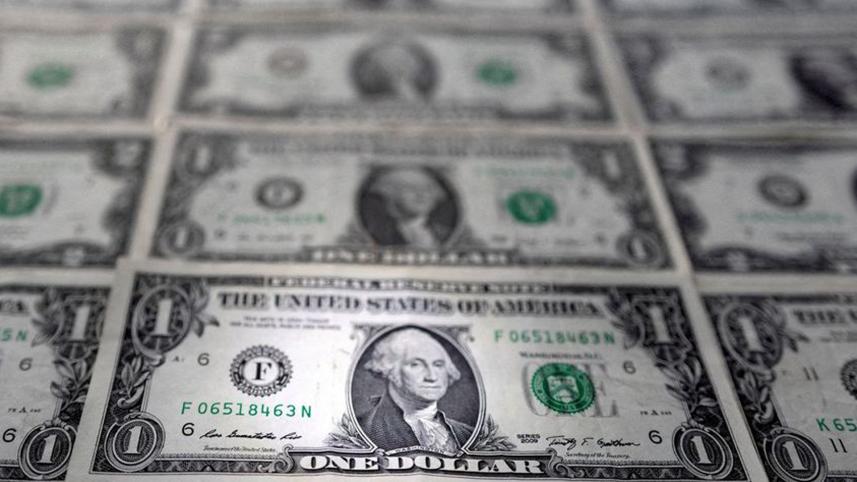
Asian stocks fell and the dollar stood by a two-decade high on the euro on Wednesday as investors' fears deepened that the continent is leading the world into recession, while oil and European equity futures made a wobbly attempt to steady.
Brent crude futures have slid this month on worries that a global slowdown will sap demand. Prices slumped 9.5 per cent to a 2-1/2 month low of $101.10 on Tuesday, before bouncing slightly to $103.86 a barrel in the Asia session on Wednesday.
 For all latest news, follow The Daily Star's Google News channel.
 MSCI's index of Asia-Pacific stocks outside Japan fell 1 per cent, led by a 2 per cent drop for Taiwan's benchmark index - heavy with growth-sensitive computer chip makers - which hit an 18-month low. Japan's Nikkei fell 1.1 per cent.
S&P 500 futures fell 0.1 per cent while FTSE futures and EuroSTOXX 50 futures rose 1 per cent after heavy Tuesday selling.
News has been relentlessly negative, with talk of gas rationing in Europe, a political crisis in Britain and a fresh flare up of COVID-19 cases prompting fresh restrictions in Shanghai.
In the United States, the two-year Treasury yield has dropped below the 10-year yield, a reliable market signal of a recession capping growth in the medium term.
"The drumbeat is getting louder and louder about recession risk," said Jason Teh, chief investment officer at Vertium Asset Management in Sydney. "Right now defence is the name of the game. It's the best strategy right now, because in a recession a lot of things can fall out of bed."
Accordingly, the dollar has been king and a safety bid has even returned to the beaten-down Japanese yen. The US dollar index hit a 20-year high of 106.79 on Tuesday, hoisted by a tumbling euro.
The index hovered at 106.440 on Wednesday and the yen rose about 0.4 per cent to 135.39 per dollar.
The euro huddled at $1.0266 after dropping as far as $1.0236 on Tuesday and traders expect little respite. Selling could follow if Eurozone retail sales figures due at 0900 GMT disappoint expectations for a 0.4 per cent monthly rise in May.
"There are no important support levels for EUR/USD until $1," said Commonwealth Bank of Australia strategist Kristina Clifton.
Sterling was near a two-year low at $1.1944 after the resignation of two of Britain's top government ministers put Prime Minster Boris Johnson's leadership under new pressure.
GAS GAS GAS
Uncertainty over Europe's gas supply is leading the latest round of worries, and has sent prices rocketing against slumps in other commodities on growth worries.
Benchmark Dutch gas prices have doubled since the middle of June.
Some investors worry that flow along the Nord Stream pipeline, which brings gas from Russia to Germany, might not resume after a ten-day maintenance shutdown from July 11 and that winter supply shortages will then prompt rationing and a sharp drop in economic activity.
Comments