


Asia’s imports of US crude surge, but can’t offset Hormuz losses
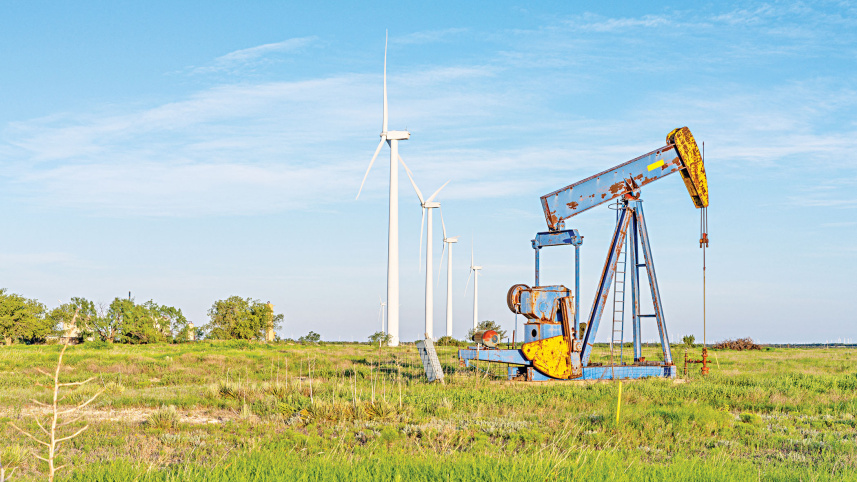
A surge of US crude oil is arriving in Asia, but the record volumes are nowhere near enough to offset the loss of cargoes from the effective closure of the Strait of Hormuz.
Asia’s imports of US crude were 63.56 million barrels in May, the most for a single month although at 2.05 million barrels per day (bpd) they were slightly behind the 2.07 million bpd from June 2023, according to data compiled by commodity analysts Kpler.

However, more US oil is on the way, with Kpler tracking arrivals of 2.32 million bpd in June and 3.07 million bpd in July.
This is more than double the average of 1.37 million bpd of US crude that Asia imported in the three months to the end of February.
The United States and Israel attacked Iran on February 28 and Tehran retaliated by effectively closing the Strait of Hormuz, through which about 20 percent of global crude oil and refined products moved prior to the start of the conflict.
While some Middle Eastern exporters such as Saudi Arabia and the United Arab Emirates have managed to re-route some oil exports to ports outside the strait, at least 10 million bpd of supply remains unavailable as the Iran conflict drags on.
About 1.2 million bpd of crude reached Asia in May through the Strait of Hormuz as some vessels secured Iranian approval to transit, but this is down from the average of 13.54 million bpd in the three months ended February.
The scale of the loss of cargoes through the strait overwhelms the additional volumes Asia has secured from the United States, as well as from other exporters in the Americas and Africa.
Asia’s seaborne crude arrivals in May were 19.47 million bpd, up from 18.7 million bpd in April, which was the lowest in more than 10 years, according to Kpler data.
However, even May’s higher arrivals were still 22 percent down from the average of 24.82 million bpd for the three months to the end of February.
It’s this loss of more than 5 million bpd in supplies that will ultimately lead to tough choices for Asia’s refiners.
So far they have managed to keep plants operating by a combination of using up commercial and in some cases strategic stockpiles, while also reducing processing rates.
But there are now questions being asked as to how much longer the world can continue to deplete inventories before refiners are forced to significantly cut back throughput amid crude shortages.
There is an emerging consensus among most analysts and oil executives that the clock is ticking louder.
It’s likely that the process won’t be spread evenly across the world, with some regions likely to be able to continue producing and refining oil at usual rates, but others struggling to secure supply.
Ultimately, if the Strait of Hormuz doesn’t reopen within the coming weeks and doesn’t remain open on a sustainable basis, it’s likely that prices for refined fuels will have to increase in order to force a reduction in demand.
Asia, which took about 80 percent of the usual volumes through the Strait of Hormuz, is the most exposed and it’s likely that less well-developed, fuel-importing countries such as Bangladesh, the Philippines and Pakistan will experience the pain soonest.
There are also likely to be increasing questions asked in the United States about the rapid depletion of inventories amid record crude and product exports.
US politicians from both major parties tend to focus heavily on domestic issues and it isn’t hard to see them increasingly opposing oil and fuel exports in the mistaken belief that this will somehow lower retail prices at home.
 For all latest news, follow The Daily Star's Google News channel.
Comments