


‘This year will be very challenging for exports’
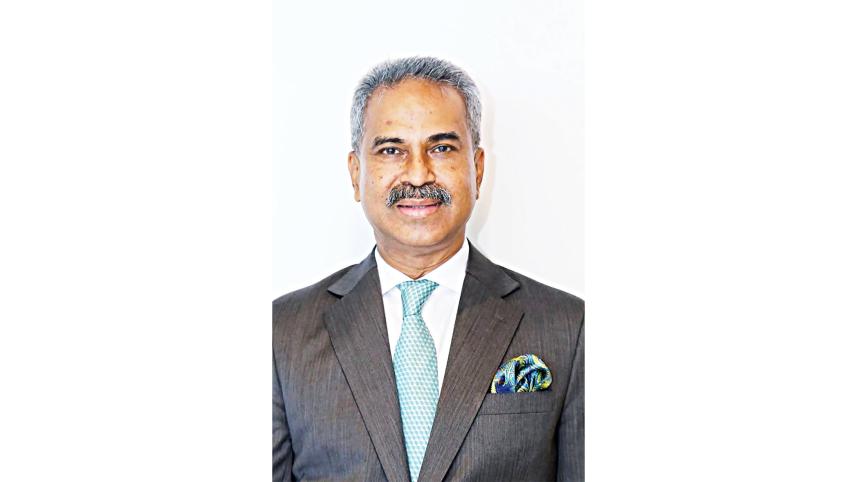
The current year will be very challenging for apparel exports as major global markets may shrink for reduced demand for high inflation and monetary tightening by authorities there, said BGMEA President Faruque Hassan yesterday.
World clothing exports may decline by 10 per cent and affect exporters, including those in Bangladesh, he said in an interview with The Daily Star.

The comment of the top official of the Bangladesh Garment Manufacturers & Exporters Association (BGMEA) comes against the backdrop of Bangladesh's overall export earnings slumping 16.5 per cent year-on-year in April.
This was mainly due to a drop in the export of garments, the key export item. The shipment of garments declined 15.4 per cent last month from that a year ago after a one per cent fall in March.
Inflation spiked for the war in Ukraine and the policy interest rate hiked by the central banks in the US and Europe affected demand there, he said
Hassan said the flow of orders had been dropping in terms of quantity over the past five to six months but it did not stand out because of the export of high value items.
The downturn, which started to become visible in the last two months, may continue in the next two months, he said, adding, "Overall export may not fall but we will be unable to achieve the target."
"This will be a very difficult year for exports and Bangladesh's economy," said Hassan, citing that the decline in export earnings would widen pressure on the country's foreign exchange reserves which have been reducing gradually.
Under the circumstances, the government should continue to provide incentives for exports so that they can retain their competitive advantage over exporters in other countries, he said.
"It will not be wise to cut incentives," he said.
Because, Hassan said, export earnings are needed for ensuring flow of foreign currencies needed to face the challenges faced by the economy.
He said it was right that Bangladesh would have to come out of being reliant on incentives once it makes the United Nations status graduation from a least developed to a developing nation in 2026.
However, continuation of incentives until 2026 will help gain a bigger market share, he said.
Bangladesh is the second largest clothing exporter after China, accounting for 6.37 per cent of global apparel exports in 2021. In 2022, Bangladesh's share may rise to 7 per cent, he said.
"We will do better this year too compared with our competitors," he said.
Estimates of the world textiles and clothing trade for 2022 by World Trade Organization (WTO) is yet to be released but Hassan said it may be $630 billion.
Backed by consumers' strong demand, world clothing exports in 2021 fully bounced back to the pre-Covid level and exceeded $548.8 billion, registering a 21.9 per cent rise from that the previous year, according to the WTO.
 For all latest news, follow The Daily Star's Google News channel.
Comments