


Plan to reduce SIM limits deferred until after polls
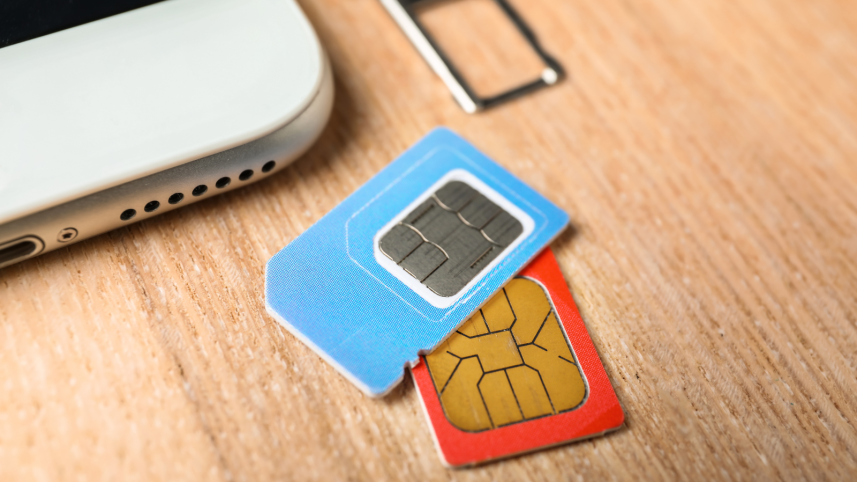
The Bangladesh Telecommunication Regulatory Commission (BTRC) has halted its plan to reduce the number of mobile SIM cards registered under a single national identity (NID) card from 10 to five ahead of the upcoming national election.
Under the existing rule, a citizen is allowed to register up to 10 personal SIM cards using one NID.

Citing concerns over public inconvenience ahead of the polls, the commission took the decision to stall their plan at a meeting recently, according to official documents reviewed by The Daily Star.
In June 2025, the government formally capped personal SIM ownership at 10 per individual from 15 as part of broader efforts to strengthen transparency in telecom services, curb criminal misuse of mobile connections and enhance national security oversight.
Subscribers were allowed to voluntarily deregister or transfer ownership of SIMs exceeding the limit until October 30, 2025, at first. Later, the de-registration date was extended to December 29, 2025.
Amid growing security concerns and proposals from law enforcement agencies and intelligence bodies, BTRC later initiated a further reduction, cutting the maximum number of SIMs per individual to five. The commission subsequently sought approval from the telecom ministry to enforce the new limit starting January 1, 2026.
In a letter, the Posts and Telecommunications Division (PTD) formally approved BTRC’s proposal, instructing the regulator to take necessary measures to implement the five-SIM ceiling from the beginning of 2026.
Despite receiving the approval, the commission has opted to postpone enforcement.
According to the meeting minutes, BTRC officials noted that the schedule for the 13th national parliamentary election had already been announced, leaving insufficient time to implement such a major regulatory change from January 1, 2026.
“Given the current election timeline and the limited time available prior to the polls, immediate implementation may create unnecessary suffering for citizens,” the commission decided, noting that mobile connectivity is particularly critical for communication, political coordination and emergency services.
BTRC resolved to take necessary steps to implement the five-SIM limit only after the election concludes.
The SIM ownership cap has long been a sensitive issue in the country’s telecom sector. While security agencies argue that limiting the number of SIM cards per individual is essential to prevent financial fraud, cybercrime, illegal call termination and anonymous political violence, mobile operators and consumer rights groups have warned of operational challenges and customer hardship.
Bangladesh currently has more than 187 million mobile connections, many of which are used for business operations, ride-sharing services, mobile financial services, e-commerce platforms and IoT-based devices.
Industry insiders said the frequent changes in SIM registration policy have often caused confusion among subscribers.
Shahed Alam, chief corporate and regulatory officer of Robi Axiata PLC, said the limit of 15 SIM cards was set for valid reasons. However, BTRC has recently reduced the number further. He added that social realities must be taken into consideration, including women’s limited access to SIM registration centres.
“Such decisions should involve consultation so that a consumer-friendly policy can be adopted,” he said.
 For all latest news, follow The Daily Star's Google News channel.
Comments