


Panel to revise quota proposals for food imports from India
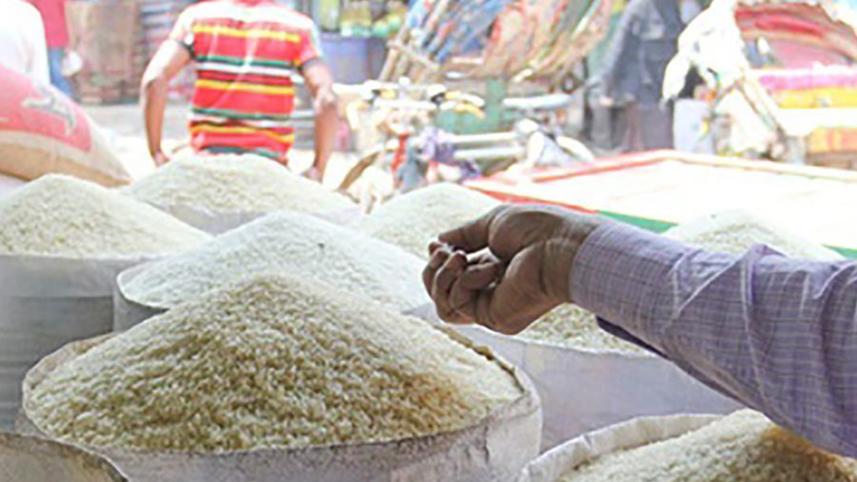
The commerce ministry yesterday formed a five-member committee to assess the actual demand for wheat, rice and sugar with a view to sending a revised quota proposal to India to import them from the neighbouring nation.
The committee headed by Noor Md Mahbubul Haque, additional secretary of the ministry, has been tasked with submitting a report within 10 days, said Tapan Kanti Ghosh, senior secretary of the commerce ministry.

Other members of the committee comprise senior representatives from the ministries of foreign affairs, food and agriculture, and the Bangladesh Trade & Tariff Commission.
The senior secretary made the comments after a meeting with the senior officials of various ministries, departments and agencies.
The committee will analyse the annual demand, local production, import quantity and the import, particularly from India over the last 10 years for the three food items.
After receiving the report, the commerce ministry will revise the quota for the three essentials and send it to India so that New Delhi can assure a guaranteed supply of the items amid the supply crunch caused by the severe fallout of the Russia-Ukraine war.
The committee comes after Commerce Minister Tipu Munshi sought a secure import of seven essentials under a quota system during his visit to India last month.
The seven items are wheat, rice, sugar, onion, garlic, ginger and lentil.
Bangladesh had sought a secured supply of 45 lakh tonnes of wheat, 7 lakh tonnes of onion, 30,000 tonnes of lentil, 20 lakh tonnes of rice, 15 lakh tonnes of sugar, 10,000 tonnes of garlic, and 1.25 lakh tonnes of ginger each year.
India considers the quantity being sought as too high compared to the current export level from the country, so it suggested that Bangladesh review the proposed quota on the seven food items.
For example, Bangladesh has called for a guaranteed supply of up to 45 lakh tonnes of wheat each year from New Delhi.
India sees the volume as too high since its exports of the grain to Bangladesh averaged about 7 lakh tonnes annually in recent years, according to Tipu Munshi.
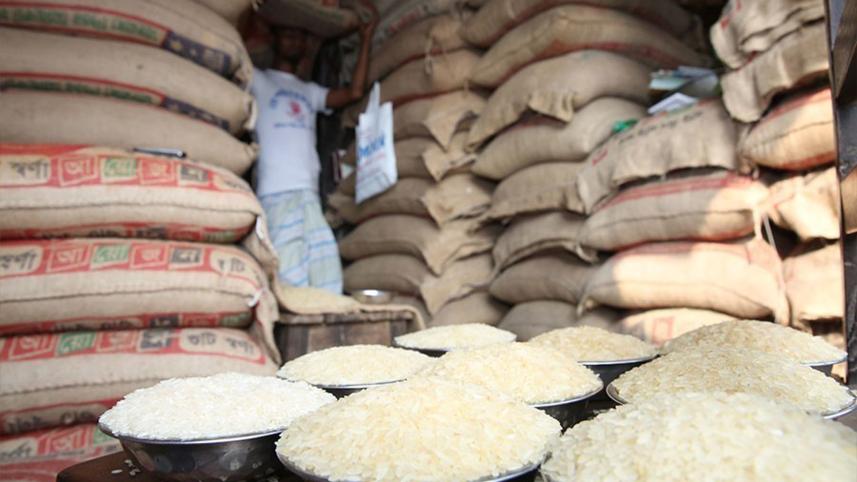
Bangladesh's annual imports of wheat stand at 65 lakh tonnes and the cereal grain used to be sourced from the countries such as Russia and Ukraine before the war erupted in a bid to meet the local demand amid inadequate domestic production.
Following Russia's invasion of Ukraine, the price of wheat has shot up worldwide and the availability of the grain has become uncertain due to ensuing volatility in the global supply chain.
Of the items, the current import trend of onion, garlic and ginger is at a satisfactory level.
"So, we are mainly working on wheat, rice and sugar so that India can provide a guaranteed supply," Ghosh said.
Bangladesh also wanted to include lentils in the list of the guaranteed supply of items but India declined to accommodate it since the country itself is one of the major consumers of the key kitchen item.
Ghosh also said the formal negotiation for signing the mega trade deal with India – Comprehensive Economic Partnership Agreement (CEPA) – may kick off through a commerce secretary-level meeting in Dhaka in March.
The two sides had agreed to start the process by the end of 2022, but it was delayed after India sought two more months to look into the joint study report on the planned trade pact.
 For all latest news, follow The Daily Star's Google News channel.
Comments