


Govt re-imposes fumigation of US cotton
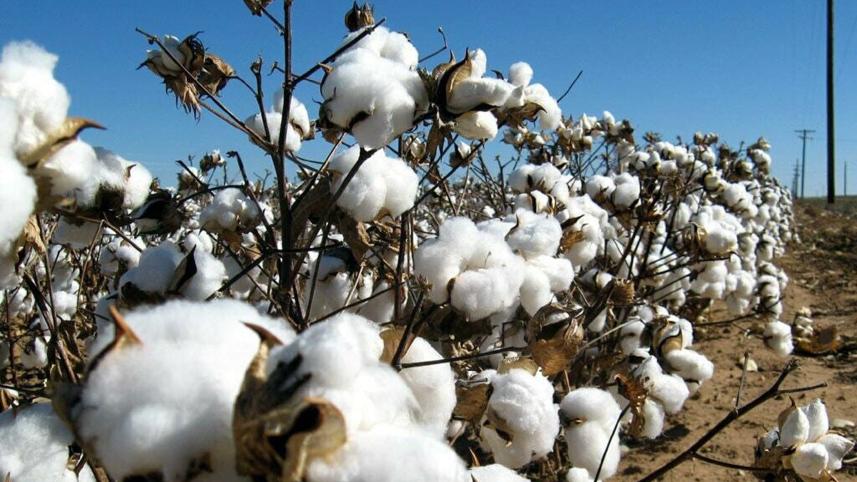
The government has re-imposed the provision of fumigation of US cotton at ports, official documents showed, a move that may increase the lead time and cost of production for importers.
Previously, cotton brought from the US would have to be locally fumigated even if the raw material underwent such treatment before being shipped. This created barriers to export as the extra time and costs involved led to delays in completing work orders for nearly five decades.

The government eased the rule of double fumigation and issued a circular on February 19 this year as the US is becoming an important source of cotton for local millers, traders and importers.
However, it has again imposed a similar fumigation provision, according to a gazette notification on April 25.
The new provision means sanitary and phytosanitary certificates and papers certifying that imported consignments are free from Boll Weevli, a cotton pest in North America, will have to be obtained by importers.
The rules said that the raw cotton from the US and the western hemisphere will have to be fumigated, according to Mirajul Islam Ukil, joint secretary of the commerce ministry.
He could not say exactly why the rule has been reimposed within a gap of two months.
The senior official said raw cotton will mean all kinds of imported cotton.
Monsoor Ahmed, additional director of the Bangladesh Textile Mills Association, said the rule had been in place for many years.
The withdrawal of the fumigation of raw cotton from the US was a long demand from local millers and importers as the process involved a longer lead time, he said.
"This ultimately increases the cost of business."
Avoiding the double fumigation of US cotton was a major topic during bilateral trade talks between the US and Bangladesh, including the Trade and Investment Cooperation Forum Agreement.
Following the easing of the rules of fumigation, the Bangladesh Garment Manufacturers and Exporters Association (BGMEA) sent letters to several US senators and governors in cotton-producing states of the US, seeking duty-free access to the US market for apparel items made from American cotton.
The US suspended the generalised system of preferences (GSP) facility for Bangladesh on June 27, 2013, citing poor labour rights and poor workplace safety following two industrial disasters. Currently, the US does not provide the GSP to any country.
Even the BGMEA has started negotiations with chambers and trade associations of the US to drum up support from the American businesses in favour of its demand.
At present, Bangladeshi apparel exporters face a 15.62 per cent tariff on shipments to the US.
At present, the US allows duty-free access to apparel items sourced from a number of African nations covered by the African Growth and Opportunity Act.
 For all latest news, follow The Daily Star's Google News channel.
Comments