


‘Go for innovation for further development’
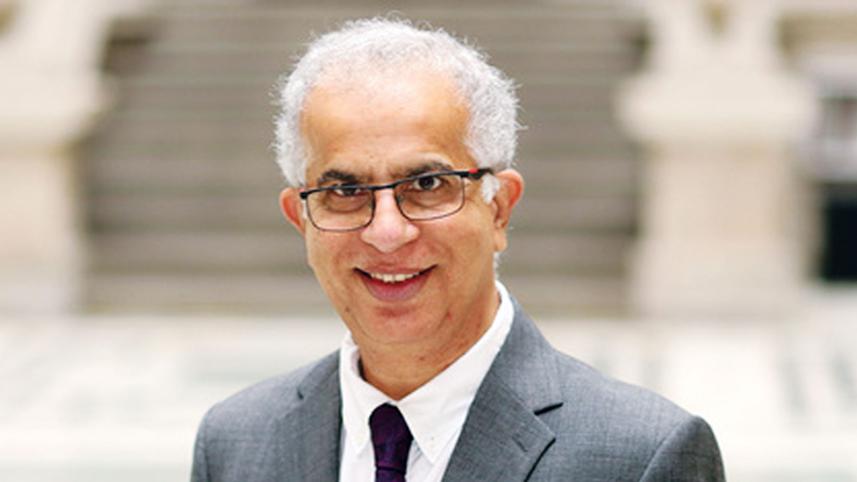
A supportive economic policy, diversification of export products, innovation in products and domestic resource mobilisation are needed for further economic growth in Bangladesh, said Adnan Khan, chief economist of the UK's Foreign, Commonwealth & Development Office.
He was speaking to a group of journalists at the British High Commission on Wednesday during a visit to Dhaka.

Adnan spoke on Bangladesh's development success story, the main challenges facing the nation as it graduates from least developed country (LDC) status and the role of development partners.
He also spoke about how the Bangladesh economy could unleash its potential and discussed the role of the state, the tax regime and other possible avenues to explore in future.
He mentioned that the tax-to-GDP ratio in Bangladesh was still very low.
Bangladesh's tax-to-GDP ratio is still at 7 percent whereas the average tax-to-GDP ratio of developing countries is 10 to 15 percent. In the case of developed countries, it is 32 to 35 percent.
Even the ratio of tax-to-GDP in Nepal is 17 percent, he said.
Bangladesh now needs innovation and diversification in the export of goods as the garment industry has already proved its worth, he said.
He said once Bangladesh attains the developing nation status, it would need to be innovative in exports as the government would have to stop paying direct cash incentives on exports.
The UK's Developing Countries Trading System (DCTS) will ensure duty-benefit for 98 percent products of Bangladesh to the UK even after LDC graduation.
The DCTS will support the export of diversified goods like leather goods and agro-processed foods to the UK after the LDC graduation, he said.
The UK's DCTS will also ensure duty benefits after 2029, when the LDC benefits will cease to come into effect. The LDC trade benefits may be extended further since negotiations are ongoing, he said.
Khan said Bangladesh needs less direct financial support now but needs more policy support to attract foreign direct investment.
"Go for manufacturing of goods for which there is demand currently to increase exports," he said.
He also emphasised the need for quality education and healthcare in Bangladesh as the country has performed well compared to other South Asian countries.
While Bangladesh will not be able to give direct subsidies on exports after the LDC graduation in 2026, garments can continue to be the main export item because it has potential, he said.
Raising productivity could be another solution after the LDC graduation for the garments business as it still has the opportunity to thrive further, he added.
 For all latest news, follow The Daily Star's Google News channel.
Comments