


Bangladesh races to secure LNG deliveries amid war
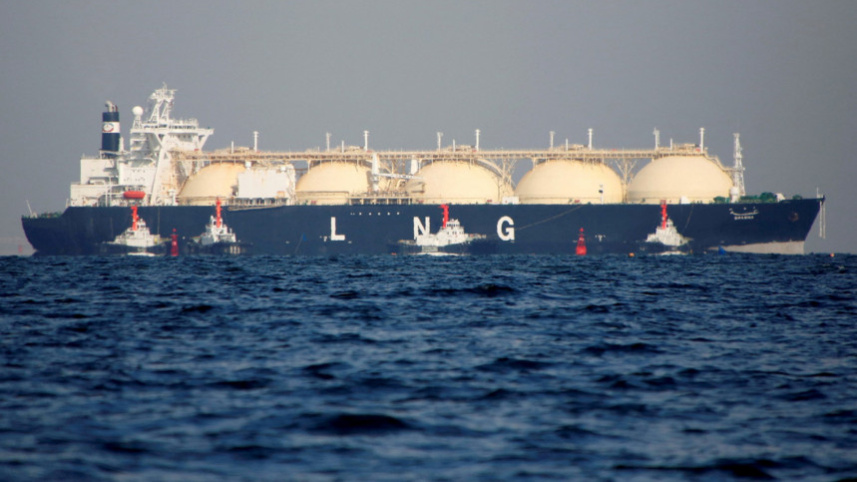
Bangladesh’s energy security is under fresh pressure as war in the Middle East disrupts the flow of liquefied natural gas (LNG), a fuel that has become indispensable to the country’s power sector.
In an effort to maintain supply, the government has confirmed the purchase of seven LNG cargoes from the spot market since the outbreak of the US-Israel war on Iran, at prices more than double those paid just months ago.

Since March 4, state-run Rupantarita Prakritik Gas Co Ltd (RPGCL) has floated three tenders to buy LNG cargoes from the spot market amid ongoing uncertainty over timely shipments from Qatar, as Iran continues to halt nearly all shipping through the Strait of Hormuz.
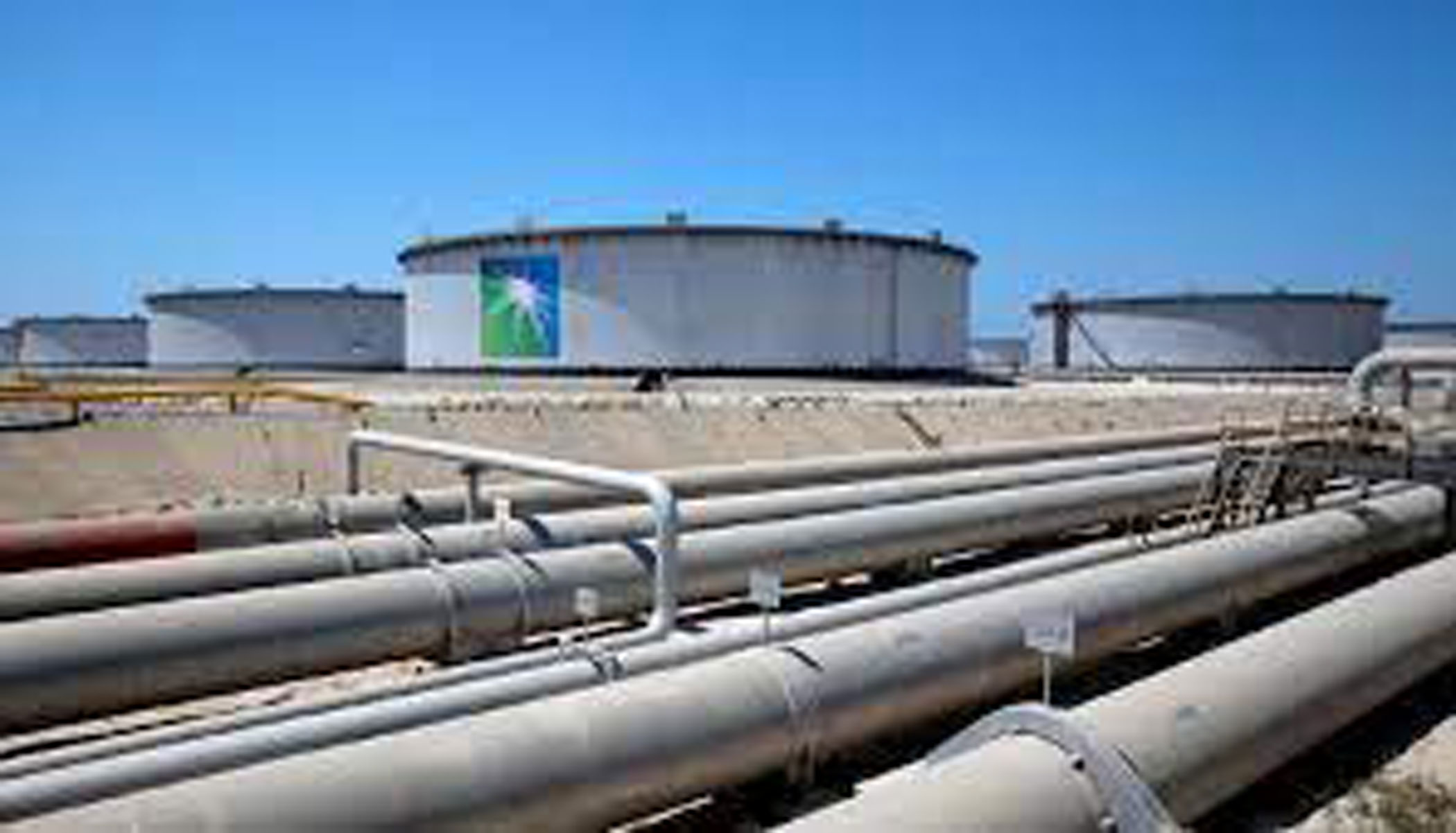
Qatar is a long-term LNG supplier to Bangladesh. It ships a significant proportion of its exports through the Strait, which accounts for roughly a fifth of global LNG flows.
Bangladesh meets almost 30 percent of its gas demand through imported LNG, while domestic production continues to fall short of the total requirement of about 2,650 million cubic feet per day (mmcfd), according to the energy ministry.
A senior RPGCL official said the country usually receives eight to nine LNG cargoes each month, with five to six passing through the Strait of Hormuz.
The US-Israel war on Iran has disrupted supplies of oil, LNG, fertiliser and sulphur through the shipping channel, driving up prices and sparking a global scramble for energy and crop nutrients.
LNG prices have almost doubled from pre-war levels of around $10-$12 per MMBtu.
On March 2, QatarEnergy suspended LNG production following an Iranian drone attack, placing additional strain on the global market. Qatar supplies around 20 percent of the world’s LNG, according to Al Jazeera.
On March 17, the cabinet committee on government purchase approved the acquisition of two spot LNG cargoes from Aramco Trading Singapore.
The first cargo will cost $20.96 per MMBtu, and the second $20.92 per MMBtu. Shipments are expected to arrive between April 15 and 22.
Last week, the government decided to purchase three more cargoes from South Korean and UK-based companies, at more than double December prices.
These shipments are expected between April 5 and 13. UK-based TotalEnergies Gas & Power Ltd will supply one cargo at $21.58 per MMBtu, while South Korea-based Posco International Corporation will provide two cargoes at $20.76 per MMBtu.
Earlier, state-run Petrobangla secured two emergency LNG cargoes for March deliveries at nearly three times December prices. One cargo was purchased from US-based Gunvor at $28.28 per MMBtu, while a second from Vitol cost $23.08 per MMBtu.
By comparison, LNG purchased in December cost just $9.99 per MMBtu.
Bangladesh’s power sector has transformed rapidly over the past decade. Domestic gas production, long the backbone of electricity generation, has stagnated as major gas fields mature.
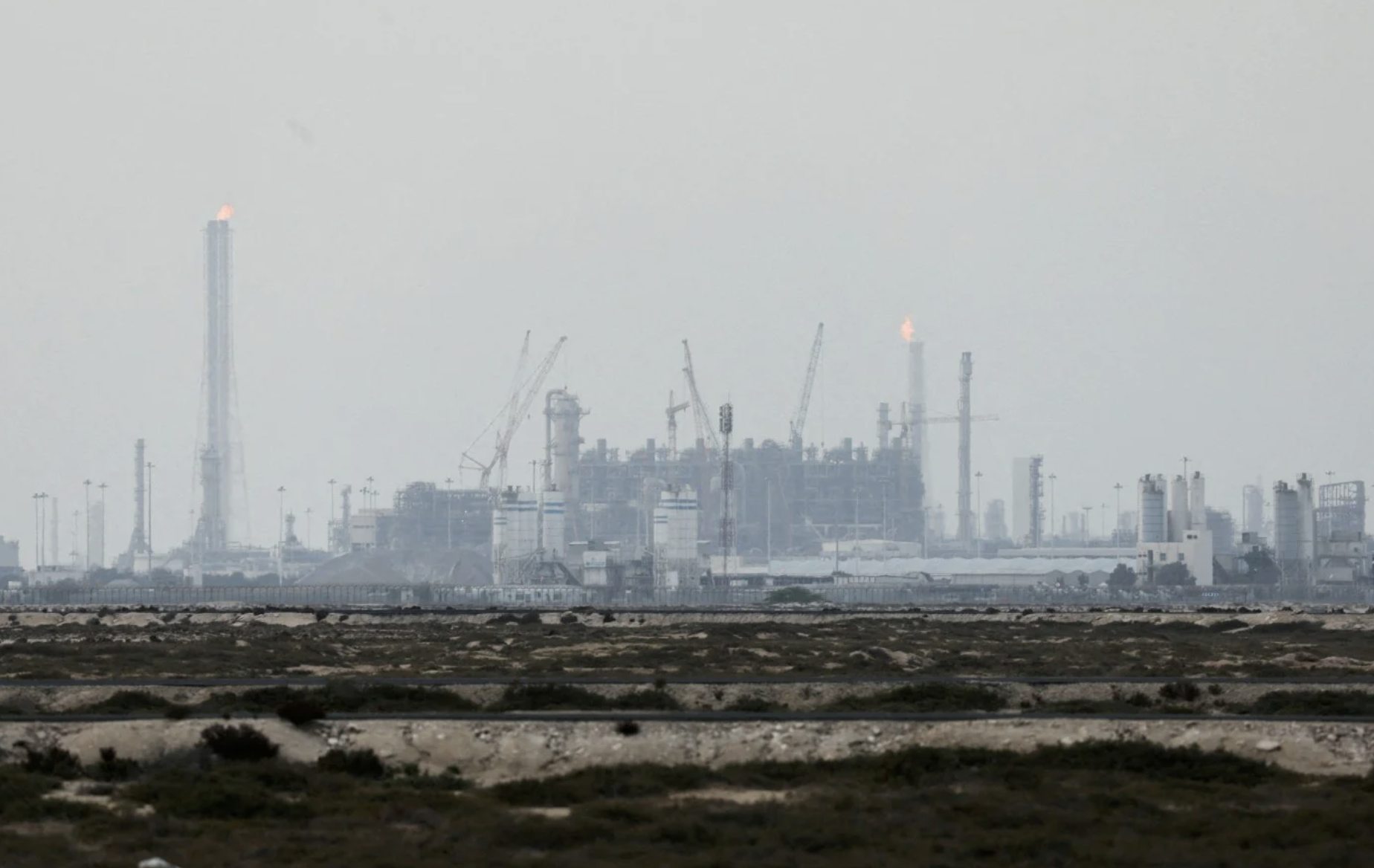
To bridge the supply gap, the government began importing LNG in 2018 via floating storage and regasification units (FSRUs) at Moheshkhali. Since then, LNG has become a structurally vital component of the energy mix.
In 2025, Bangladesh spent roughly $3.88 billion to import 109 LNG cargoes, compared with $3.02 billion for 86 cargoes in 2024, reflecting rising demand and higher prices, according to data from Dhaka-based management consulting firm LightCastle Partners.
 For all latest news, follow The Daily Star's Google News channel.
 Qatar remains the country’s dominant supplier. In 2025, QatarEnergy received around $1.2 billion, the largest single supplier payment, for delivering 40 contracted cargoes.
Oman’s OQ Trading supplied a further 16 under long-term agreements, while the remaining 48 cargoes were bought from the spot market, according to LightCastle data.
Because Qatar’s LNG exports originate in the Persian Gulf, most shipments to Bangladesh must transit the Strait of Hormuz.
As a result, the country’s energy supply chain remains structurally vulnerable to disruptions in Gulf shipping routes.
Comments