


Amid crisis, banks asked to clear import bills on time
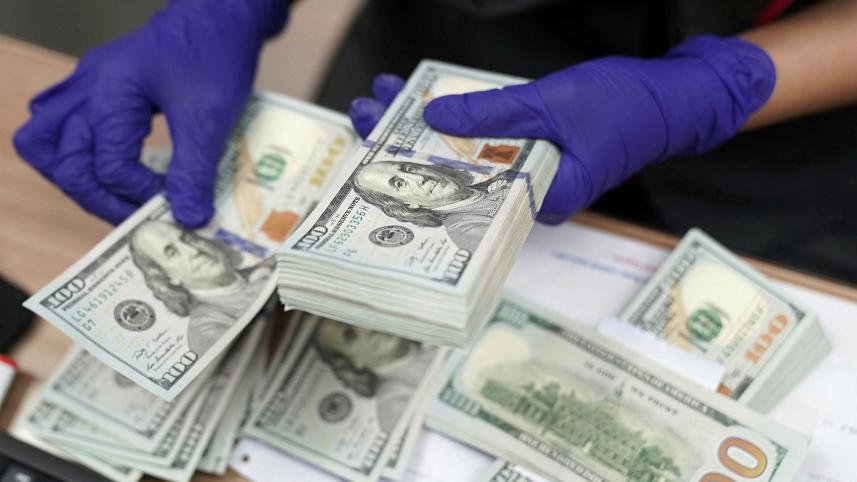
The ongoing shortage of US dollars has created a tough situation for some banks in Bangladesh as they are finding it difficult to clear import payments on time, tarnishing the country's image in the international market.
So, the Bangladesh Bank yesterday asked banks to clear the import bills on time, or else their licences for authorised dealer branches, which carry out foreign exchange businesses, will be scrapped.

The bankers responsible even will face punishment for their failure to settle the import bills, said the BB in a notice.
Contacted, two central bankers said there was no connection between banks' unwillingness to settle import bills and the shortage of the greenback in the foreign exchange market.
In January last year, the central bank asked banks to settle the import bills as per rules, but many banks have still been ignoring the instruction, said one of them.
A managing director of a bank said that lenders were now facing an acute shortage of dollars.
"So, some of them have been unable to clear the import bills."
Some banks are finding it difficult to secure export earnings from foreign buyers as they have not repaid the amount within the agreed period due to the ongoing business slowdown in the global market.
Earlier, many banks had not repaid the import bill on time, but the situation is completely different now.
Some exporters have either cancelled their export orders or put them on hold, deepening the dollar shortage, said the CEO.
"The central bank should consider the issue with prudence."
Foreign exchange reserves fell to $35.98 billion on October 19 in contrast to $46.19 billion a year ago, owing to higher import bills and lower export receipts and remittance flow.
The failure to settle import bills has sent the 'add confirmation charge' higher, according to a BB report.
The annual charge for confirming letters of credit (LC) is 2 to 3 per cent, a commercial banker said.
Confirmation fees are a security mechanism that eliminates risks for exporters. When exporters are not satisfied with the LC-issuing bank, mainly for the insolvency risks, political issues in the importing country or both, they may seek an additional guarantee for the LCs.
The confirmation is a definite and legal undertaking from the importer's bank to the exporter's bank.
 For all latest news, follow The Daily Star's Google News channel.
Comments