


India drought hits crops
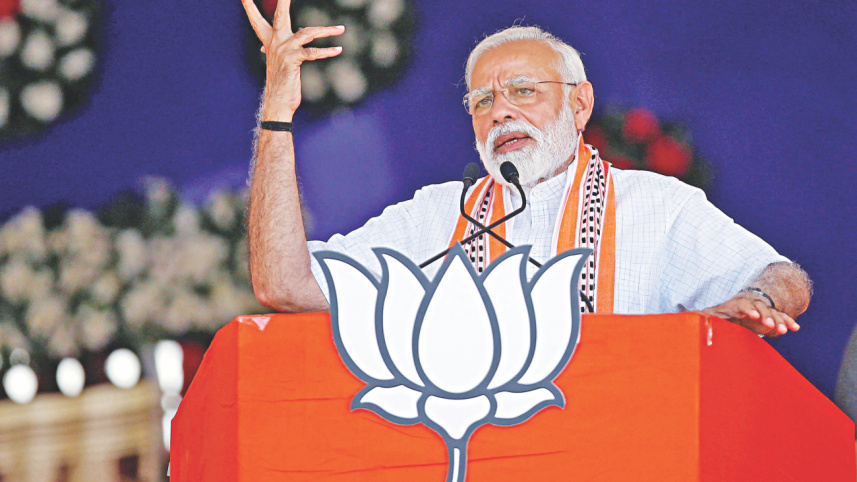
Indian Prime Minister Narendra Modi yesterday pushed for greater grassroots water conservation efforts amid concerns weak monsoon rains would push millions of drought-hit people to the edge and hammer agricultural production in Asia's third-biggest economy.
The monsoon season is responsible for around 70% of India's annual rainfall, and is particularly important for the farm sector since more than half of the country's arable land is rain-fed.

"Only 8% of all the rain water in India is conserved," Modi said in his first monthly radio broadcast after winning re-election last month. "It's now time to solve this problem." India received 24% less rainfall than the 50-year average in the week ended on June 26, data from the India Meteorological Department showed, with scant rains over central and western regions of the country.
The spectre of a crisis this year comes after drought in some parts of India in 2018 destroyed crops, ravaged livestock, exhausted reservoirs, leaving some cities and industries with little water.
"There is no one formula to deal with the water crisis across the country," Modi said, adding that he had written to scores of village chiefs across the country about the need to conserve water earlier this month.
The prime minister said there was a need to create public awareness about water conservation and explore traditional water management methods, in the much the same way the "Clean India" mission to end open defecation, started in 2014, had.
However, Modi did not outline any specific measures his government would take to deal with the ongoing situation, which has already affected the sowing of summer crops and forced many communities to buy water from expensive private tankers.
Himanshu Thakkar, co-ordinator of the South Asia Network of Dams, Rivers and People (SANDRP), said Modi's initiative would have limited impact without the government fixing problems like rampant groundwater usage.
A key source of water, groundwater levels in 52% of wells monitored nationwide were lower in 2018 compared to last decade's average, the country's water resources minister Gajendra Singh Shekhawat told parliament this week.
"The government is doing nothing to regulate groundwater use," said Thakkar of SANDRP, a non-governmental organisation that advocates for better water management practices.
 For all latest news, follow The Daily Star's Google News channel.
Comments