


When Nosferatu came out of the shadows

On a crisp evening in early March, a new spectre crept into German cultural life with the premiere of Nosferatu. Directed by FW Murnau, the movie drew in a curious audience, who hoped for something new.
Although unauthorised and legally questionable in relation to Bram Stoker’s Dracula, this adaptation rose above its pirated origins to become an original work of artistic and intellectual significance.

Nosferatu has been an orchestrated collision of myth and modernity, science and superstition.
Culturally, the film stood out by separating the vampire myth from Victorian aristocratic gothic and reasserting it within the German expressionist imagination.
Count Orlok, with his long limbs and rat-like face, was a striking departure from Stoker’s noble Dracula.
The movie employed shadows, light, and exaggerated proportions to craft a distinctive visual style of horror.
His appearance, so unlike Stoker’s Count Dracula, reflected expressionism’s focus on turning internal emotions into visual form -- using distortion not for its own sake, but to reveal psychological tension. This aesthetic innovation was pivotal.
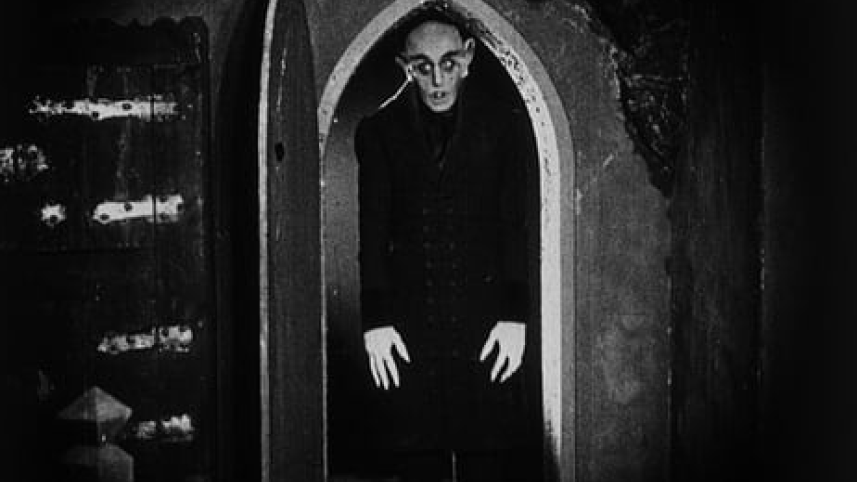
This was cinema that knew its own medium, using shadow and composition not simply to frighten but to signify the unseen anxieties of its age.
The film arrived at a historical moment laden with its own haunting.
Germany, reeling from World War I and navigating the upheavals of the Weimar era, was fertile ground for narratives about disruption, contagion and lost certainties.
Orlok’s soundless crawl became a metaphor for pervasive cultural unease: Modernity’s fractures, unseen threats to social order and the sense that beneath the veneer of technological progress lay forces that outpaced comprehension.
Nosferatu explored themes beyond traditional Gothic horror, including the inevitability of death and human fears.
Orlok is not merely an antagonist but a force of nature, an inexorable erosion of life rather than a moral rebel.
In this, the film gestures towards existential questions about the human condition: The inescapability of mortality, the fragile boundary separating life from absence and the ways in which fear becomes a projection of inner anxieties.
Another philosophical undercurrent concerns the relationship between self and other.
Orlok is utterly other -- not a reflection of human sexuality, charisma or romantic longing but a pure disruption of human norms.
This radical otherness baulks at empathy yet invites interpretation: Is the vampire a spectre of disease, anxiety about the foreign, or a projection of collective dread?
The film offers no tidy answers but insists that the very act of looking, of confronting what is unsettling, is itself a form of engagement with the unknown.
Nosferatu’s influence on culture is both direct and diffused.
Visually, its template informed subsequent generations of vampire films, from the shadow-play of early horror cinema to the psychological complexity of supernatural storytelling.
 For all latest news, follow The Daily Star's Google News channel.
 Its archetypes – the eerie silhouette, the oppressive dusk, the slow predation that defies rational explanation – became staples of the genre.
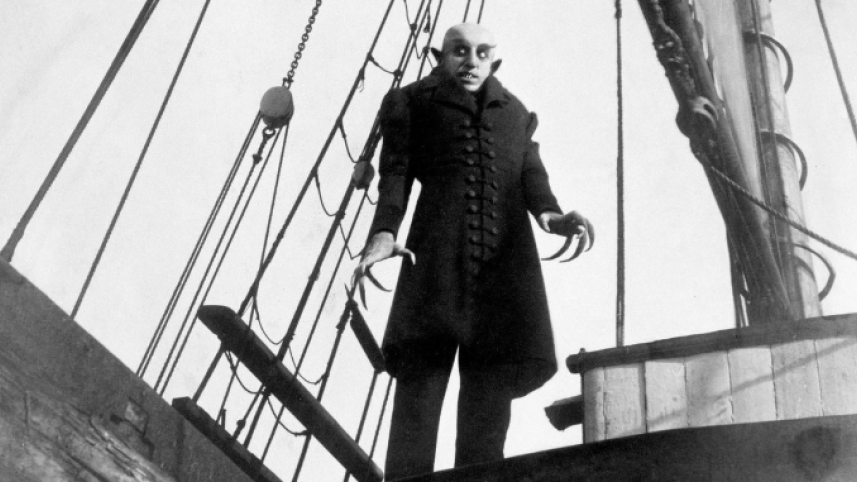
Beyond cinema, its aesthetic reverberates in literature, visual art and even music, wherever artists seek to render the intangible palpable.
The very fact that Nosferatu was unauthorised only intensified its mystique.
Legal battles over its copyright, and efforts to suppress prints, resulted paradoxically in wider circulation and enduring fascination.
What began as a creative adaptation became a work studied for its radical departure from source material, for its visual daring and how it harnessed the expressive capacity of film to explore human anxieties that transcended dialogue.
Nosferatu did more than show a vampire on screen -- it showed how cinema could make fear visible and reflect the anxieties of its time.