


FB responds to criticism
Facebook has changed its policy on its tools for allowing users to check whether people are safe after disasters, following huge criticism for having turned it on for the attacks in Paris but not in Beirut.
The site has long used the tool, called Safety Check, to allow people to mark themselves as safe in the aftermath of natural disasters. But the site turned it on for the first time after attacks in Paris on Friday night.
 For all latest news, follow The Daily Star's Google News channel.
 But many quickly pointed out that only a day before a double suicide bombing in Beirut left 43 people dead and 250 injured. The site didn't turn on the feature at all.
Many criticised the decision, including Lebanese blogger Joey Ayoub in a post that has been shared over ten thousand times. Ayoub said that the decision seemed to demonstrate that people's deaths in Beirut don't matter as much as those in Paris.
But Facebook has said that Friday's Paris attacks situation was the first time that it has been turned on for anything other than a natural disaster, and that it marked the first time trying something new.
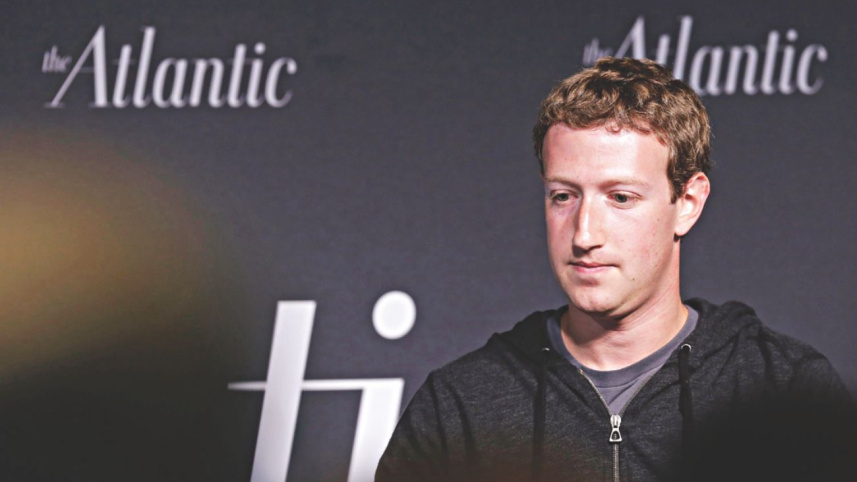
“Many people have rightfully asked why we turned on Safety Check for Paris but not for bombings in Beirut and other places,” wrote Mark Zuckerberg in a Facebook post.
“Until yesterday, our policy was only to activate Safety Check for natural disasters. We just changed this and now plan to activate Safety Check for more human disasters going forward as well.
“Thank you to everyone who has reached out with questions and concerns about this. You are right that there are many other important conflicts in the world. We care about all people equally.”
The feature works by sending out a notification to all of those people that Facebook thinks is in an affected area, asking if a user is safe. Users can then mark that they are safe, generating an update that will be published to their friends, and other people will get a notification or check on updates from everything they know.
Comments