


Youth Leadership culture and what's wrong with it
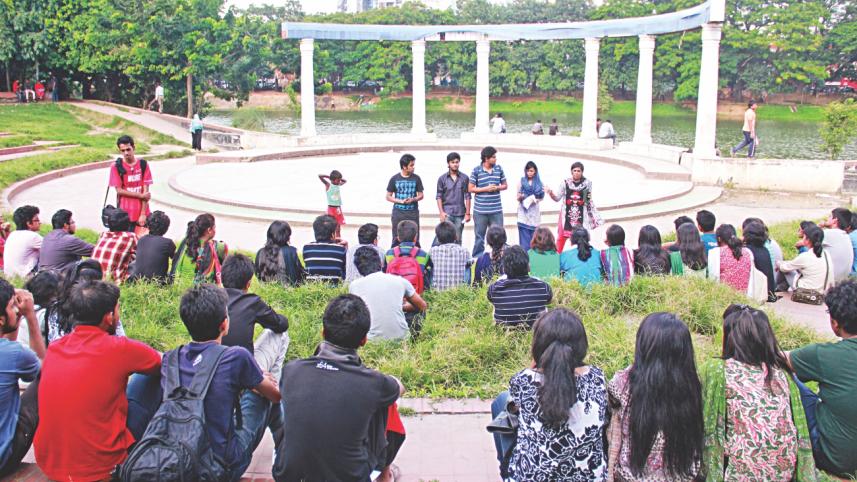
Youth leadership programmes have been an 'in' thing to do for some time now. Passionate young people, or 'leaders' who volunteer and work for different social causes, believe in bringing change and working for the betterment of their country, are pooled to take part in youth leadership programmes to learn more about leadership, and become agents of change. They do not only participate in different programmes in their own country, but travel continents, thanks to the very generous funding opportunities by different embassies now. Fellowships, internships, exchange programs—you name it!
As much as leadership programmes provide opportunities for young people to grow and learn, it is also important to raise few important questions related to the leadership culture. Healthy scepticism in tandem with critical thinking can actually encourage us to become better versions of ourselves.

Having had participated in leadership programmes myself, it often seems like the programmes are geared towards making leaders feel good about themselves. There is nothing wrong with that. We all need a pat on the back from time to time for the work we do. However, when it is turned into a mantra, that's when things seem a bit odd. It plays into this individualistic notion of standing out, being unique. It also ties in with this idea of feeling very important about oneself, and having followers on social media, and making sure others know that you have followers, doesn't matter if you have anything substantial to say or not.
Leadership programmes create platforms for leaders to feel like superheroes, as opposed to deconstructing the figure of superhero. 'You all are superheroes; you all are leaders!' gets chanted. However, who gets to be a superhero? Whose voices are we blocking out to ensure that we are being heard? Leadership programmes can be more effective if it brings in critical lens of positionality—reflecting upon our own position in society, and how does that affect others around us, before we jump into drumming about how we 'help' others. Also, why should we be critical of the superhero figure? Because most superheroes are male, white, straight, able-bodied, and American. We should ask ourselves what alternative representations will emerge as we dissociate from the superhero figure, and acknowledge for one minute that we are not the 'best of the bests' all the time?
It is great to have leadership skills, however is it mandatory though? In today's professional and educational settings, leadership is a requirement, because really, the most important question they ask you is 'What leadership skills do you have?' One is left wondering what drives a leader to be a leader—certificates and awards from the Queen of England or personal motivations? To feel important and exclusive, or to bring structural changes in society? I ran into an interesting insight in a friend's status who had quoted her father saying 'everyone wants to feel important, and no one wants to be useful'. It often feels like leadership culture feeds into the contemporary narcissistic, individualistic culture, woven with this idea of creating an exceptional brand of oneself. You are what others are not. Young people now know how to build their resumes on credentials that will shine through and through.
It's great to be different! However, when 'being different' becomes exclusive, commoditised, certified, even glamorous and turned into a trend, that's when we should sit up and worry, because we are not necessarily talking about and respecting diversity in beings and thoughts, but rather a competition and proving oneself to be different. Let us also remember that it is perfectly alright to not be different as well.
Great leadership is also about critiquing your own position in society. It is about generosity and being behind the scene as well. It can be about cooking and writing short stories for everyone. It is also about finding the best in others, and including everyone, as opposed to proving one's worth all the time, and feeling special. It is about listening more than talking.
 For all latest news, follow The Daily Star's Google News channel.
Comments