


Our tourism needs a policy reset

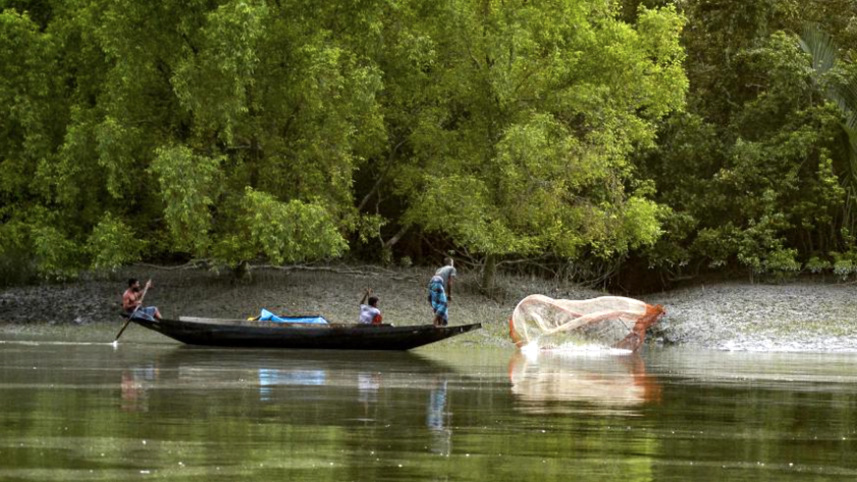
While our neighbours in Asia count billions in tourist dollars, it is unfortunate that we are still largely relying on garment exports or remittances for foreign currency. Just think: Thailand hosts 30-40 million international visitors annually. Vietnam attracts about 13 million tourists. Even the tiny island nation of the Maldives has built a sizeable percentage of its GDP on tourism. Meanwhile, Bangladesh, blessed with the world’s longest natural beach and the mystical Sundarbans, struggles to attract international tourists. This is not just embarrassing; it is an economic upheaval hiding in plain sight.
As the UN commemorates Global Tourism Resilience Day on February 17, Bangladesh faces a dual challenge: we must simultaneously build a tourism sector capable of attracting foreign visitors while making it resilient enough to withstand the climate shocks and crises that inevitably lie ahead.

Our economy’s overwhelming dependence on garment exports leaves us exposed to global supply chain disruptions, automation threats, trade policy shifts, etc. Tourism offers a useful means of diversification, and it brings foreign currency directly. Unlike exports that face challenges of tariffs and quotas, every dollar a foreign tourist spends flows immediately into local pockets, from beach vendors to hotel staff to tour guides. No intermediaries, no shipping costs, no trade barriers. Just direct economic impact.
While garment factories cluster in industrial zones, tourism can spread wealth geographically: Cox’s Bazar’s beaches, Sylhet’s tea gardens, the Chittagong Hill Tracts, Paharpur’s archaeological sites. Such distribution is impossible to achieve through manufacturing alone. Tourism creates jobs across skill levels. A tourist doesn’t just book a hotel; they eat at restaurants, hire guides, purchase handicrafts, and support entire supply chains. If Bangladesh attracted just five million international tourists annually, at an average spend of $1,000 per visit, you’re looking at $5 billion in direct foreign revenue. Factor in the multiplier effect, and the amount reaches $15-20 billion in total economic impact.
What’s Bangladesh’s tourism brand? Most foreigners couldn’t tell because we haven’t created one. Every tourist choosing Phuket over Cox’s Bazar represents lost revenue. Every cultural enthusiast visiting Angkor Wat instead of our ancient Buddhist sites is foreign currency we’ll never see. The longer we delay in reversing this situation, the harder it becomes. Tourists going elsewhere build loyalty to competing destinations. Hotel chains investing in Vietnam and Thailand aren’t investing here. International airlines adding routes to Colombo and Kathmandu aren’t adding routes to Dhaka. The first-mover advantage is lost.
But here lies the paradox: we can’t attract tourists without resilience, and we can’t justify resilience investments without tourists. We must solve both simultaneously. As one of the planet’s most climate-vulnerable nations, Bangladesh’s tourism assets sit on the frontlines of rising sea levels and intensifying cyclones. Without resilience, our natural treasures will disappear along with potential tourism revenue. But resilience isn’t just about absorbing the shocks of disasters. It’s about creating consistent, reliable experiences that build confidence.
What should we do then? First, build world-class green infrastructure: solar-powered resorts, rainwater harvesting, and zero-waste hotels aren’t just survival tools; they’re also marketing advantages. Second, revolutionise accessibility: implement visa-on-arrival for key markets, improve flight connectivity, upgrade roads to tourist destinations, and train hospitality workers to international standards. Third, launch aggressive international marketing: hire world-class branding agencies, leverage social media influencers, and sponsor travel documentaries. Create a compelling national brand positioning Bangladesh as South Asia’s undiscovered gem.
Fourth, diversify the tourism product: over-concentration in Cox’s Bazar or the Sundarbans limits appeal and increases vulnerability. Our rivers offer significant cruise potential. Currently, Mughal and colonial-era heritage sites remain feloniously underutilised. The Chittagong Hill Tracts could rival any rival adventure destination. Sylhet’s tea gardens offer Instagram-perfect landscapes. So, appeal to different segments—beach lovers, culture enthusiasts, adventure seekers, eco-tourists. Fifth, empower local communities to deliver authentic experiences that international tourists crave, while building natural resilience. And sixth, createprofessional crisis management systems through digital mapping of vulnerable zones, early-warning protocols, a top-class crisis response, etc.
The UN recognises tourism resilience as a “cross-cutting” issue spanning infrastructure, environment, governance, and social equity. But we must add economic urgency to this equation. Tourism isn’t just about resilience; it’s also about growth, diversification, and foreign currency earnings. Our delay in this regard only compounds our disadvantage. It is true that persistent political instability and security concerns in the country may put off many potential visitors, but this again reflects a policy failure that can, and must, be addressed.
The tourism boom is sweeping Asia, and it’s happening without us. We can continue our narrow economic dependence while our competitors capture the tourism windfall, or we can finally commit to making tourism a pillar of national prosperity. The choice will determine whether the “land of six seasons” becomes a must-visit destination generating billions or whether it remains neglected and underutilised.
Dr Sabbir Ahmad is a researcher and expert in project delivery and engineering. He can be reached at sabbir@ieee.org.
Views expressed in this article are the author's own.
Follow The Daily Star Opinion on Facebook for the latest opinions, commentaries, and analyses by experts and professionals. To contribute your article or letter to The Daily Star Opinion, see our guidelines for submission.
 For all latest news, follow The Daily Star's Google News channel.
Comments