


Bangladesh needs a national heat action plan
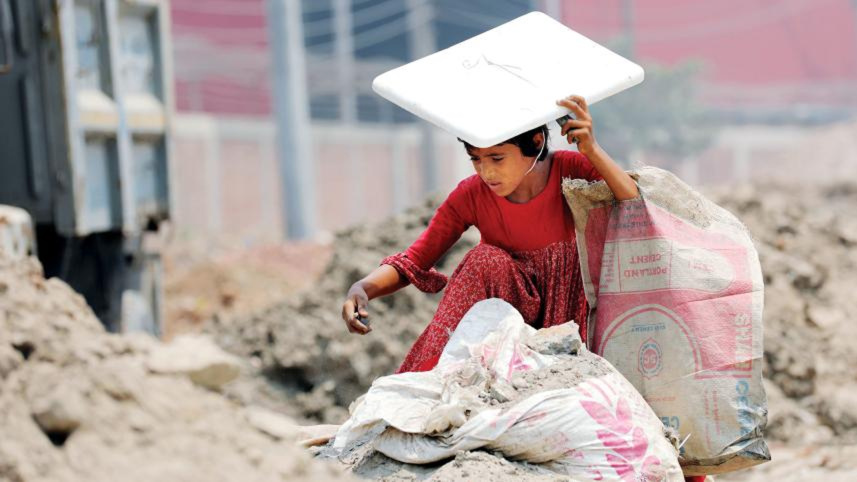
In the history of global climate, Bangladesh’s vulnerability has been noted in facing risks from floods, cyclones, and rising sea levels. However, in recent years, a new factor has emerged in the vulnerability trajectory: heatwaves. This became particularly evident when the country experienced 24 days of heatwaves in April 2024, surpassing the previous record of 23 days set in 2019. The temperature in Jashore was recorded at 43.8 degrees Celsius, the highest in 52 years. Heat is our fastest-growing concern, yet it remains the most under-addressed national emergency.
This can be viewed as a systematic climatic shift. According to the World Bank report titled “An Unsustainable Life: The Impact of Heat on Health and the Economy of Bangladesh,” temperature has risen by 1.1 degrees Celsius since 1980. However, the feeling of temperature, which is the true measure of human suffering, rose by 4.5 degrees Celsius, making the streets of Dhaka feel like open furnaces. With the urban heat island (UHI) effect, the capital’s heat index is 65 percent higher than the national average.
 For all latest news, follow The Daily Star's Google News channel.
 We often believe that the consequences may be just meteorological. But they have deep economic and personal impact as well. In 2024 alone, Bangladesh lost 25 crore workdays to heat-related illnesses, bleeding $1.78 billion out of our GDP. For the rickshaw-puller in Dhaka, the farmer in Rajshahi or the garment worker in Gazipur, staying indoors is not merely an option but a choice between heatstroke and hunger.
The most alarming consequences are the hidden tolls on people’s health. The rate of respiratory and waterborne diseases has doubled in recent summers. Beyond that, a new horizon has emerged: mental health crises. Studies reported that struggling with depression during extreme heat periods is increasing among all age groups. Moreover, women are particularly more vulnerable. They are 77 percent more likely to face heat exhaustion as most of the kitchens are poorly ventilated, trapping the burners’ heat as well as the sun’s fury.
Despite this, the country lacks a comprehensive national heat action plan (NHAP). When the mercury rises, the bare minimum is decided: to shut down the classrooms. There is also a lack of a proper plan for how academic activities will continue during this time. Meanwhile, hospitals struggle to manage heatstroke season without dedicated cooling wards.
A NHAP is not a luxury; it is a survival strategy. These components should be incorporated into the design to yield better results: i) there should be a localised early warning system which will enable real-time heat alerts (before 48 hours) that reach the most vulnerable people via mobile phones and community radio; ii) we must implement Geographic Information System (GIS)-based vulnerability mapping to identify heat hotspots and at-risk populations, allowing authorities to prioritise water tanker distribution; iii) urban redesigning is another issue which may take time, yet some measures like building cooling sheds, restoration of urban water bodies, and the expansion of rapid growing green canopies in the most heat-experienced zones could be implemented initially; iv) one of the most import issues during this event is labour protection. Legally mandated heat breaks, hydration stations for outdoor workers, and social safety nets to cover lost income could be acted upon immediately; v) mandatory cool roof regulations for all new factories, high-rises and even for residential buildings should be in the respective authorities’ guidelines; vi) for behavioural change, communication on hydration, symptoms, and cooling is necessary. Ads in local dialects in channels and posters in marketplaces and mosques could be circulated; and vii) specialised training is needed for healthcare providers to treat heat-related trauma and mental health issues. Besides, dedicated cooling wards for heat-related patients are also a crying need.
The escalating heatwave crisis in Bangladesh is an undeniable national emergency that demands immediate state action. Ad-hoc measures are no longer sufficient. A comprehensive NHAP is needed to protect vulnerable populations, redesign urban landscapes, and prepare the healthcare system. The country has successfully mastered the resilience needed to survive floods and cyclones. It must now direct that same urgency and planning towards surviving the heat. The mercury continues to rise, and the window for effective action is rapidly closing.
Munem Ahmad Chowdhury is research fellow at Bangladesh Institute of Social Research Trust. He can be reached at munemahmad@gmail.com.
Views expressed in this article are the author's own.
Follow The Daily Star Opinion on Facebook for the latest opinions, commentaries, and analyses by experts and professionals. To contribute your article or letter to The Daily Star Opinion, see our guidelines for submission.
Comments